
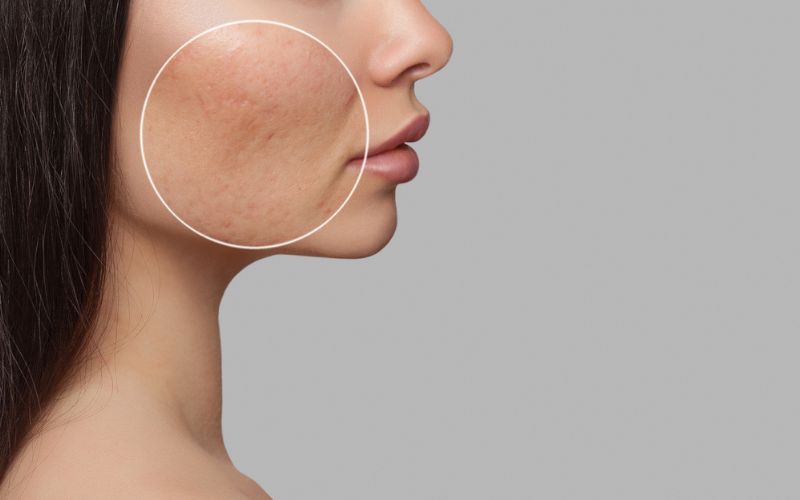
Dark spots on your arm can be stubborn, distressing, and challenging to eliminate. But what if you were told that nature had crafted some of the most potent remedies right from its lap? Unlocking the enigma of arm hyperpigmentation, this article dissects and presents various powerful natural solutions that promise to banish those pestering dark spots for good.
So, remove harsh chemicals and let mother nature guide your journey towards revived, spotless skin. You’re about to discover home-grown panaceas that are as practical as potent. Embrace the glow of naturally healthy skin!
Several remedies may help reduce hyperpigmentation in the arms. Topical creams containing ingredients like azelaic acid, vitamin C, hydroquinone, retinoids, and glycolic acid can help lighten hyperpigmentation. Medical procedures like laser therapy and chemical peels can also lighten areas of hyperpigmentation, although it’s important to consult a board-certified dermatologist for possible side effects.
Additionally, practicing sun protection with SPF 30 or higher sunscreen and protective clothing can prevent further damage. Speaking with a healthcare professional is recommended to determine the best treatment for your skin condition.
Causes of Arm Hyperpigmentation
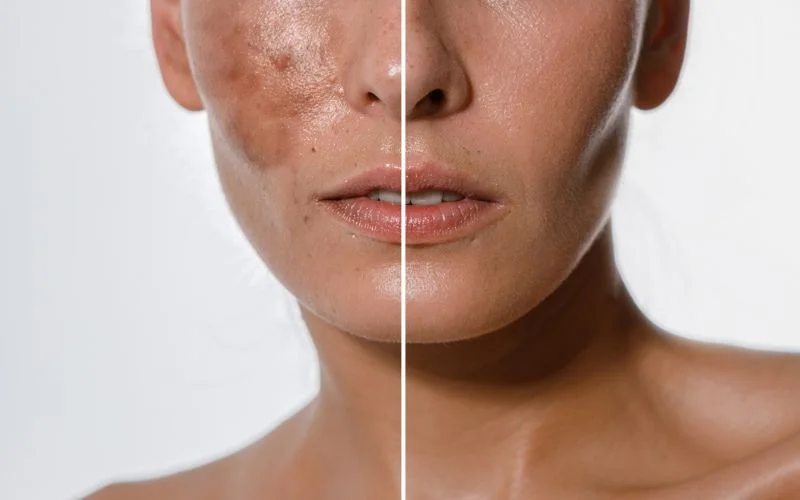
Hyperpigmentation is a common skin condition that occurs when certain areas of the skin become darker than the surrounding skin. Several causes can be behind this phenomenon when it specifically affects the arms. Understanding the underlying factors is crucial for devising an effective treatment strategy.
One of the primary causes of arm hyperpigmentation is excessive sun exposure. Spending long hours in the sun without proper protection can lead to increased melanin production in the skin, resulting in dark spots or patches on the arms.
This is especially true if you don’t utilize sunscreen or protective clothing to shield your skin from harmful UV rays. The arms are often exposed to sunlight, making them susceptible to sun-induced hyperpigmentation.
For instance, imagine spending summers at a beach resort, basking in the sun all day without sunscreen. Over time, you may notice dark spots on your arms, especially where they receive direct sunlight.
Besides sun exposure, skin irritations and inflammation can contribute to arm hyperpigmentation. Skin conditions like eczema, dermatitis, psoriasis, or even acne breakouts can trigger an inflammatory response in the skin. When these conditions resolve, they sometimes leave behind darkened areas as a residue of inflammation or post-inflammatory hyperpigmentation (PIH).
For example, when someone suffering from eczema vigorously scratches their arms due to severe itching, it can cause trauma to the skin and increase melanin production. This can result in hyperpigmented patches on their arms that persist even after the eczema subsides.
Now that we’ve explored some of the causes of arm hyperpigmentation let’s move on to discuss how sun exposure specifically impacts the development of this condition.
Impact of Sun Exposure

The effects of sun exposure on our skin extend beyond mere sunburns. Prolonged and unprotected exposure to the sun’s UV rays can have long-lasting consequences, including the development of hyperpigmentation on the arms and other exposed areas.
Think of your skin as a delicate canvas that reacts to sunlight like an artist’s paints. The more you expose it to excessive sunlight without protection, the more likely you will end up with unwanted pigmentation.
When our arms are frequently exposed to the sun, they experience increased melanin production as a defense mechanism against harmful UV rays. Melanin is the pigment that gives color to our hair, eyes, and skin. When the skin detects UV radiation, it produces more melanin to absorb and reduce damage caused by the sun. However, this excess melanin can sometimes lead to irregular pigmentation and dark spots on the arms.
The impact of sun exposure on arm hyperpigmentation is further exacerbated when sunscreen or protective clothing is not utilized. It’s important to remember that even on cloudy or cooler days, UV rays can still penetrate our skin and cause damage.
Applying sunscreen with a minimum SPF of 30 and wearing clothing that covers the arms can significantly reduce the risk of hyperpigmentation caused by sun exposure.
Nevertheless, some may argue that a little sun exposure is beneficial for obtaining vitamin D. While this is true to an extent, we must balance it with the proper protection to prevent any long-term damage such as hyperpigmentation. It’s best to consult your dermatologist about how much sun exposure is safe for you based on your circumstances.
Considering the undeniable impact of sun exposure on arm hyperpigmentation, taking preventive measures and incorporating effective remedies into your skincare routine becomes crucial.
Effects of Skin Irritations
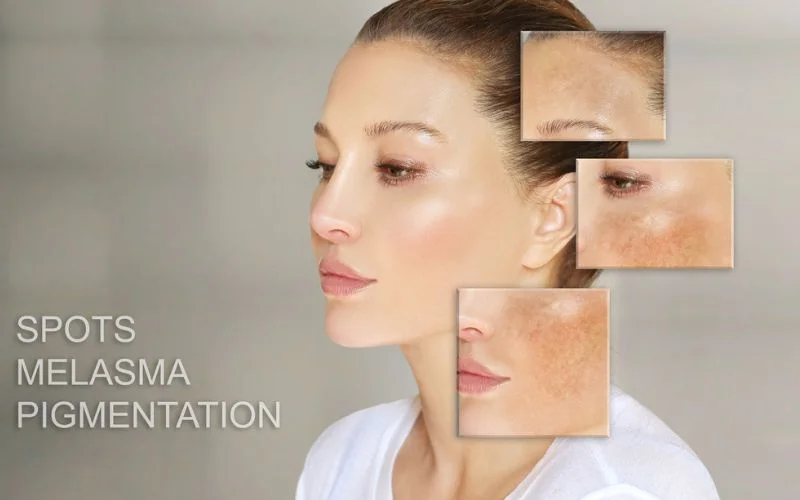
Understanding the effects of skin irritations is crucial when dealing with arm hyperpigmentation. Skin irritations can exacerbate existing dark spots and make them more pronounced.
These irritations can occur due to various factors, such as harsh chemicals in skincare products, excessive sun exposure, or even certain fabrics rubbing against the skin. The reaction may manifest as redness, dryness, itching, or inflammation, which can contribute to further discoloration.
It’s important to identify the cause of the skin irritation and take appropriate measures to minimize its impact on hyperpigmentation. For instance, switching to gentler skincare products free from harsh chemicals or fragrances can help reduce irritation.
Additionally, protecting your arms from excessive sun exposure by wearing SPF-enhanced clothing or sunscreen can prevent further damage and darkening of the affected areas.
While it may seem disheartening to deal with both skin irritations and hyperpigmentation simultaneously, addressing these irritations is crucial to achieving even-toned arms and combating dark spots.
Now that we have explored the effects of skin irritations on arm hyperpigmentation let’s dive into the realm of topical treatments specifically designed to address this common concern.
- According to a study published in The Journal of Clinical and Aesthetic Dermatology, nearly 25% of the worldwide population experiences some form of hyperpigmentation.
- A research paper in the Indian Dermatology Online Journal concluded that post-inflammatory hyperpigmentation (PIH), a form of hyperpigmentation, presents in up to 75% of darker skin individuals.
- The Dermatologic Surgery journal reports that around 50-70% of chemical peel cases see improvements in melasma, a type of hyperpigmentation, after treatment.
Topical Treatments For Hyperpigmentation
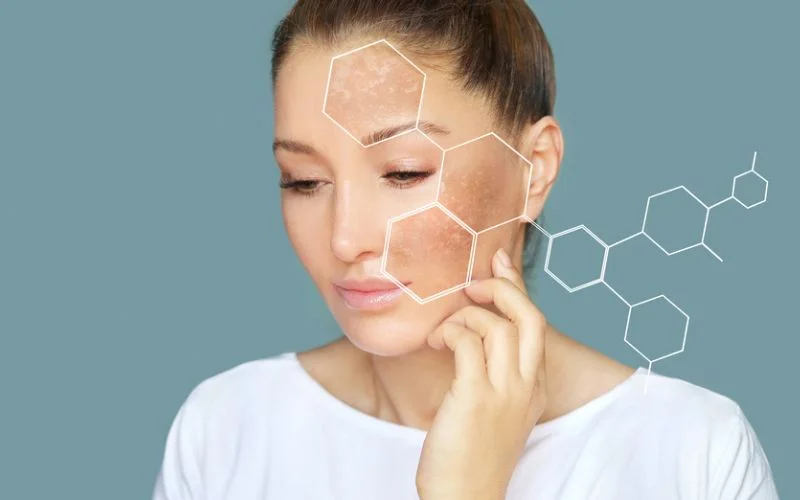
Topical treatments are an effective approach to tackling arm hyperpigmentation. These treatments target melanin production and gradually reduce the appearance of dark spots over time. Here are some popular, topical treatments that have shown promising results:
- Kiehl’s Ultra Pure High-Potency 9.8% Glycolic Acid Serum: This serum evens skin tone and texture with its high concentration of glycolic acid.
- COSRX The Niacinamide 15 Serum: This serum controls sebum production and helps tackle discoloration.
- RoC Retinol Correxion Deep Wrinkle Night Cream: This cream encourages skin cells with extra pigment to slough off.
- JORI Acne & Oil Control Primer: This primer with salicylic acid brightens and exfoliates the skin.
- SkinMedica Lytera 2.0 Pigment Correcting Serum: This serum addresses stubborn discoloration while preventing new spots from forming.
For instance, SkinCeuticals C E Ferulic contains vitamin C that corrects and protects against sun damage. AziMD Skincare Azelaic 10 is a gentle option for sensitive skin prone to acne or rosacea. Vichy LiftActiv Vitamin B3 Face Serum improves the look of dark spots and promotes an even tone.
When selecting a topical treatment, it’s important to consider factors such as skin type, sensitivity, and the severity of hyperpigmentation. Consulting with a dermatologist who can provide personalized recommendations tailored to your needs may be beneficial.
Remember, consistency is key when using topical treatments for hyperpigmentation. Results may not be immediate, but with patience and dedication, you can see a gradual improvement in the appearance of dark spots on your arms.
Now that we’ve covered some effective topical treatments for arm hyperpigmentation let’s explore other natural solutions and remedies that can complement these treatments in achieving noticeable results.
Moisturizers & Masks
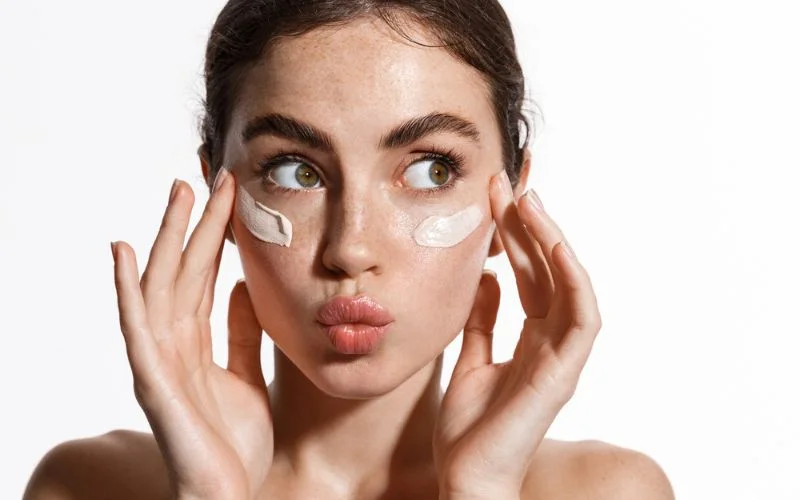
When addressing arm hyperpigmentation, incorporating moisturizers and masks into your skincare routine can effectively lighten dark spots and skin tone. These topical treatments nourish the skin, reduce inflammation, and promote cellular turnover.
Moisturizers that contain ingredients like azelaic acid, niacinamide, or kojic acid can help inhibit melanin production and fade hyperpigmentation over time.
Look for products specifically designed for body use, as they are richer in texture and better suited for the thicker skin on the arms. Applying a moisturizer regularly after cleansing helps keep the skin hydrated and may aid in the overall lightening process.
Imagine incorporating a hydrating lotion enriched with azelaic acid into your daily routine. The formulation seeps into the skin as you gently massage it onto your arms, delivering its potent brightening properties deep within the layers. This consistent application creates an environment conducive to reducing hyperpigmentation gradually.
Masks formulated with brightening ingredients like vitamin C, licorice extract, or green tea extracts can also provide a concentrated treatment for arm hyperpigmentation.
These masks often have a cooling effect on the skin and must be left on for a specific duration before rinsing off. They work by exfoliating dead skin cells and promoting cell turnover, revealing fresher skin beneath.
Incorporating moisturizers and masks into your skincare routine targets hyperpigmentation and provides a soothing self-care experience. Pampering yourself with these treatments can help create a positive mindset as you work towards achieving brighter and more even-toned arms.
Everyone’s skin is unique, so choosing products that suit your needs is important. Patch testing new products before applying them all over the arms is advisable to ensure compatibility and avoid potential adverse reactions.
Vitamin C & Herbal Approaches

In addition to topical treatments like moisturizers and masks, vitamin C serums and herbal approaches can further enhance your arm hyperpigmentation treatment. Vitamin C is known for its brightening and antioxidant properties, which can help reduce the appearance of dark spots over time.
Using a vitamin C serum on the arms can effectively fade hyperpigmentation. It works by inhibiting tyrosinase, an enzyme responsible for melanin production, and promoting collagen synthesis and overall skin health. Look for serums with stabilized forms of vitamin C, such as L-ascorbic acid or ascorbyl glucoside, for maximum effectiveness.
Herbal approaches also offer natural alternatives for lightening dark spots on the arms. Some ingredients worth exploring include licorice extracts, aloe vera gel, and green tea extracts. These botanical remedies have been traditionally used for their antioxidant and anti-inflammatory properties, which may contribute to the reduction of hyperpigmentation.
Picture yourself mixing freshly brewed green tea with aloe vera gel to create a homemade arm treatment. You revel in its soothing sensation as you gently apply this mixture to your skin. The herbal components work harmoniously to reduce inflammation and promote skin rejuvenation.
While natural remedies can offer potential benefits, it’s important to note that scientific research on their effectiveness for hyperpigmentation is limited. Results may vary between individuals, and it’s always best to consult a dermatologist before incorporating new remedies into your skincare routine.
Now that we’ve explored using moisturizers, masks, vitamin C serums, and herbal approaches as part of our arsenal against arm hyperpigmentation, let’s look closer at the professional treatments available for more targeted results.
Professional Hyperpigmentation Treatments
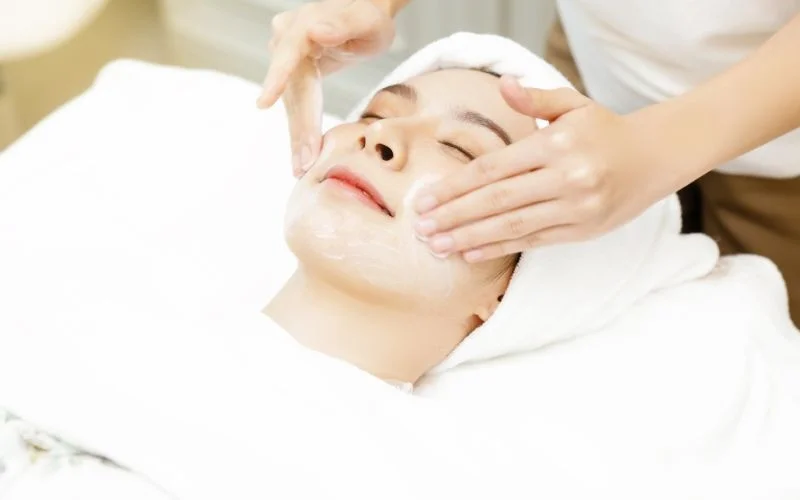
When it comes to treating arm hyperpigmentation, a variety of professional treatments available can effectively lighten dark spots and even out skin tone.
Dermatologists or skin care professionals typically perform these treatments with expertise in addressing hyperpigmentation concerns. Let’s explore some of the most common professional hyperpigmentation treatments.
Chemical Peels are a popular and effective treatment option for arm hyperpigmentation. This procedure involves applying a chemical solution to the skin, which exfoliates the outermost layer and stimulates the growth of new, healthier skin cells.
Chemical peels can vary in strength, with some targeting superficial pigmentation and others penetrating deeper into the dermis for more significant results.
For instance, if you have mild hyperpigmentation on your arms, a superficial chemical peel containing alpha hydroxy acids (AHAs) or beta hydroxy acids (BHAs) might be recommended. These peels help to gently remove the top layer of dead skin cells and reveal fresher, brighter skin underneath.
On the other hand, if you’re dealing with more stubborn or deeper pigmentation, a stronger chemical peel such as a TCA (trichloroacetic acid) peel may be suggested. TCA peels work by reaching deeper layers of the skin, promoting collagen production, reducing melanin production, and ultimately fading dark spots.
Another professional treatment option for arm hyperpigmentation is laser therapy. Laser treatments utilize concentrated light energy to target specific areas of pigmentation on the skin. The laser energy breaks down the excess melanin in the dark spots, allowing the body’s natural healing processes to fade them away gradually.
For example, intense pulsed light (IPL) therapy is commonly used for hyperpigmentation treatment. IPL devices emit broad-spectrum light that selectively targets melanin without damaging surrounding tissues. This helps to break down the excess pigmentation, leading to a more even skin tone over time.
It’s important to note that professional hyperpigmentation treatments like chemical peels and laser therapy should be performed by a qualified and experienced professional. They will assess your skin concerns, determine the most suitable treatment approach, and ensure your safety.
Chemical Peels & Laser Therapy
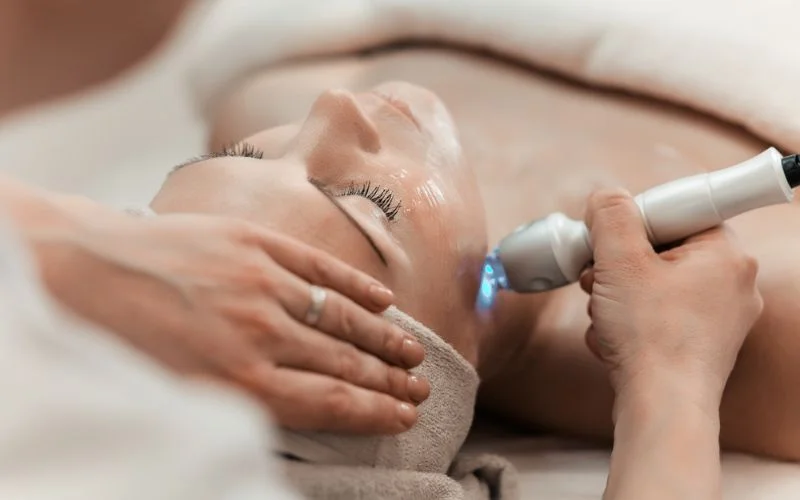
Chemical peels and laser therapy have demonstrated efficacy in addressing arm hyperpigmentation, but it’s crucial to understand their potential risks and side effects. Chemical peels can cause temporary redness, dryness, and flaking of the treated area. Stronger peels may also involve a longer downtime for recovery.
For instance, a TCA peel can lead to more significant side effects such as crusting, scabbing, or changes in skin texture. It’s essential to follow post-treatment instructions provided by your dermatologist or skincare professional to minimize adverse effects.
Laser therapy also carries potential risks, including temporary redness, swelling, or minor burns. It’s crucial to choose a reputable practitioner with experience treating hyperpigmentation using lasers and follow their aftercare recommendations diligently.
Additionally, it’s important to manage your expectations regarding these treatments. While they can significantly lighten dark spots and improve overall skin tone, complete hyperpigmentation removal may not always be achievable in one session. Multiple treatments may be necessary for optimal results.
It’s worth emphasizing that professional hyperpigmentation treatments should be complemented with a comprehensive skincare routine and preventive measures to maintain long-term results. Regular sun protection, diligent use of sunscreen with a high SPF, and avoiding excessive sun exposure are essential steps to prevent further darkening of existing pigmentation.
Now that we have explored the world of professional hyperpigmentation treatments such as chemical peels and laser therapy, let’s focus on preventive measures to help you maintain a more even and radiant arm complexion.
Preventive Measures Against Hyperpigmentation

Hyperpigmentation can be a frustrating and distressing condition to deal with. While there are effective treatments available, prevention is always better than cure. Taking proactive steps to protect your skin can reduce the risk of developing arm hyperpigmentation. Here are some preventive measures that you can incorporate into your daily routine:
Firstly, it’s crucial to shield your skin from harmful ultraviolet (UV) rays, which are a leading cause of hyperpigmentation. The best way to do this is by using sun protection factor (SPF) 30 or higher sunscreen. Applying sunscreen generously and frequently, especially when you’re spending time outdoors, can safeguard your skin from excessive melanin production triggered by sun exposure.
Imagine spending a lovely day at the beach without any sunscreen protection on your arms. The next day, you notice dark patches appearing on your arms due to overexposure to the sun’s damaging UV rays.
To prevent such an occurrence, always make it a habit to apply sunscreen on all exposed areas of your arms before stepping out into the sun.
Additionally, protective clothing offers another layer of defense against UV rays and helps prevent potential damage to your skin.
Wearing long sleeves or lightweight garments made from materials with an ultraviolet protection factor (UPF) can significantly reduce the amount of sunlight reaching your skin. This is especially important during peak sun hours when the sun’s rays are most intense.
To illustrate, picture yourself hiking in a tropical destination where the sun beats down relentlessly throughout the day. By wearing loose-fitting, long-sleeved shirts made of UPF fabric and pairing them with wide-brimmed hats and sunglasses for added protection, you safeguard yourself against harmful UV radiation.
Now that we understand the importance of preventive measures against hyperpigmentation let’s delve deeper into one specific action: SPF usage and protective clothing.
SPF Usage and Protective Clothing

The first line of defense against hyperpigmentation involves using sunscreen with an adequate sun protection factor (SPF) and incorporating protective clothing into your wardrobe. Sunscreen acts as a physical barrier, absorbing or reflecting the sun’s harmful UV radiation before it can penetrate the skin and trigger excessive melanin production.
“I used to neglect sun protection; thinking sunscreen was only necessary at the beach. But after developing unsightly dark spots on my arms, I realized the importance of SPF usage and protective clothing in preventing further hyperpigmentation.” – Anita, 32
SPF measures how well a sunscreen can protect against UVB rays, which are primarily responsible for causing sunburns. Choose a broad-spectrum sunscreen that protects against UVA and UVB rays to shield your skin effectively. Apply it generously to all exposed areas of your arms, ensuring complete coverage before heading outside.
As for protective clothing, opt for lightweight fabrics that cover your arms without making you feel overheated. Look for garments with a UPF rating, which indicates their ability to block UVA and UVB rays. Long-sleeved shirts made from breathable materials such as cotton or linen can offer protection without sacrificing comfort. Consider wearing wide-brimmed hats and sunglasses to shield your face from direct sunlight.
By consistently using SPF and incorporating protective clothing into your daily routine, you create a shield against harmful UV radiation, reducing the risk of arm hyperpigmentation. Remember, prevention is key to maintaining healthy and even-toned skin.
Healthy Skin Care Habits
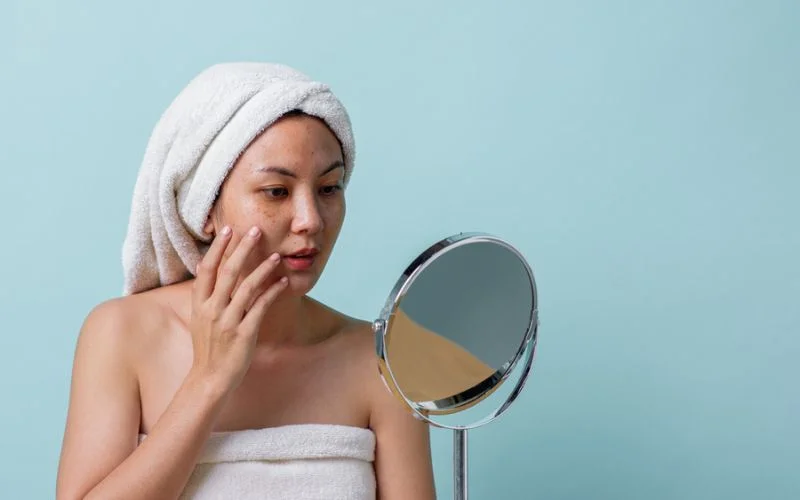
Healthy skin is not just about dealing with specific concerns like hyperpigmentation; it’s about maintaining a healthy complexion. By incorporating good skin care habits into your daily routine, you can support your skin’s health and vitality while minimizing common skin issues.
Let’s explore some essential healthy skin care habits that can contribute to a radiant and even-toned complexion.
First and foremost, it’s crucial to cleanse your skin daily. This helps remove dirt, oil, and impurities that can accumulate on the surface throughout the day. Make sure to choose a gentle cleanser suitable for your skin type, and always avoid harsh scrubbing motions that can irritate and inflame the skin. Cleansing twice daily, in the morning and evening, allows your skin to breathe and prepares it for further treatment.
For instance, if you have arm hyperpigmentation, using lukewarm water with a mild cleanser specifically designed for sensitive or pigmented skin can be beneficial. Gently massage the cleanser onto your arms in circular motions for about a minute before rinsing it off.
Another important aspect of maintaining healthy skin is exfoliation. Regular exfoliation helps remove dead skin cells from the surface, revealing fresh and brighter skin underneath. It also aids in reducing discoloration by promoting cell turnover.
However, it’s essential to find an exfoliator suitable for your skin type and use it in moderation. Over-exfoliating can lead to irritation and inflammation, exacerbating hyperpigmentation.
Consider incorporating gentle exfoliation into your skincare routine once or twice a week. You can use physical exfoliants like scrubs with fine particles or chemical exfoliants containing ingredients like alpha-hydroxy acids (AHAs) or beta-hydroxy acids (BHAs). Be mindful of any reactions or sensitivity and adjust the frequency accordingly.
Moisturizing is a key step in any skincare routine, as it helps to keep your skin hydrated. Well-hydrated skin appears plumper and more radiant, ultimately contributing to a healthier complexion.
When moisturizing, opt for a product that suits your skin type and addresses specific concerns like hyperpigmentation. Ingredients like hyaluronic acid or niacinamide can be beneficial in maintaining moisture balance and supporting the natural repair process of your skin.
After cleansing and exfoliating, apply a moisturizer for pigmented or sensitive skin on your arms. Gently massage it into the skin using upward strokes until fully absorbed. This will help nourish and hydrate your skin, reducing dryness and minimizing the appearance of dark spots.
Lastly, protecting your skin from the harmful effects of the sun is crucial for maintaining healthy and even-toned skin. Excessive sun exposure can worsen hyperpigmentation and cause new dark spots. Apply sunscreen with a broad-spectrum SPF of 30 or higher to all exposed body areas, including your arms. Reapply every two hours or after sweating or swimming to ensure optimal protection.
Incorporating these healthy skin care habits into your daily routine can provide optimal support for your skin’s health and minimize the occurrence and severity of arm hyperpigmentation. Consistency is key in skincare, so stick to these habits long-term for the best results.