

Hives, medically known as urticaria, are a common skin condition characterized by raised, itchy, and often red welts on the skin’s surface.
They can appear suddenly and vary in size, shape, and location on the body. While hives are generally harmless, they can be uncomfortable and distressing.
Fortunately, over-the-counter (OTC) remedies are available to help alleviate the symptoms and relieve hives.
In this article, we will explore the causes of hives and their symptoms and delve into various user-friendly OTC remedies that can assist in managing this condition effectively.
Understanding Hives: Causes and Symptoms
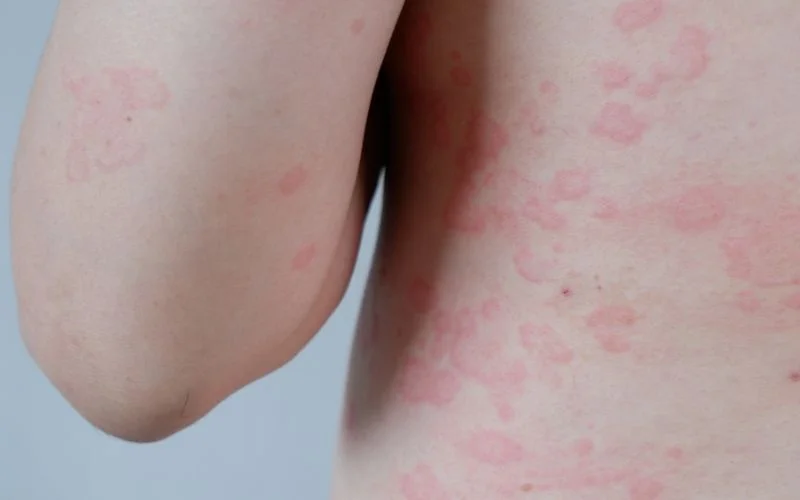
Hives occur due to the body’s immune response releasing histamine and other chemicals into the bloodstream. This release leads to the sudden appearance of welts on the skin, often accompanied by itching, burning, and swelling. Hives can be triggered by various factors, including:
Allergens: Common allergens such as certain foods, pollen, pet dander, and insect stings can provoke hives in sensitive individuals.
Medications: Some medications, such as antibiotics, pain relievers, and blood pressure medications, can cause allergic reactions leading to hives.
Infections: Viral or bacterial infections may trigger hives as the body’s immune response.
Temperature Changes: Exposure to extreme temperatures or sudden temperature changes can lead to hives, a condition known as cold-induced or heat-induced urticaria.
Stress: Emotional stress can contribute to the development of hives.
Physical Pressure: Pressure on the skin from tight clothing, scratching, or prolonged sitting can lead to hives called dermatographism.
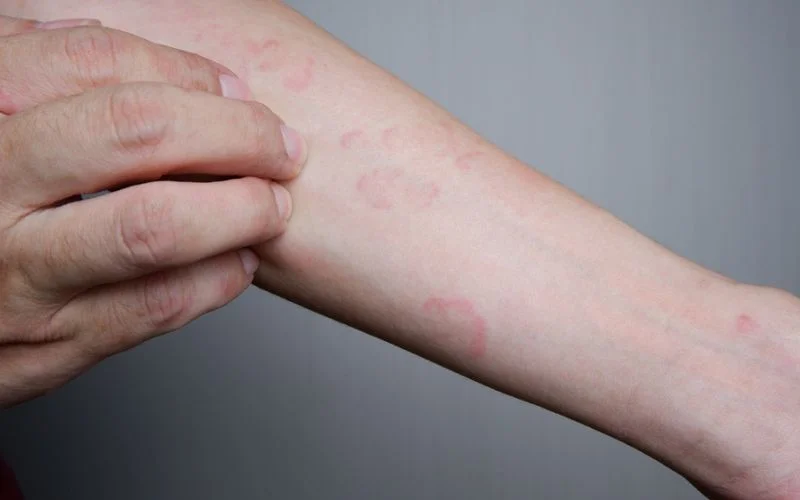
The symptoms of hives include the sudden appearance of raised welts that may vary in size and shape. These welts are typically red or skin-colored and can be surrounded by an area of redness.
They often itch intensely and can cause discomfort or a burning sensation. In some cases, hives may be accompanied by angioedema, which involves deeper swelling in the skin, usually around the eyes and lips.
Over-the-Counter Remedies for Hives

When dealing with hives, it’s essential to address both the symptoms and the underlying causes. Over-the-counter remedies can provide relief and help manage the discomfort associated with packs. Here are some user-friendly OTC options:
Antihistamines: Antihistamines are a go-to OTC remedy for hives. They block histamine, the chemical responsible for causing itching, swelling, and other allergic reactions. There are two main types of antihistamines: first-generation and second-generation.
- First-Generation Antihistamines: These include diphenhydramine (Benadryl) and chlorpheniramine. While effective, they can cause drowsiness, making them more suitable for nighttime use.
- Second-Generation Antihistamines: These include loratadine (Claritin), cetirizine (Zyrtec), and fexofenadine (Allegra). They provide effective relief without causing significant drowsiness and are suitable for daytime use.
Topical Calamine Lotion: Calamine lotion contains a mixture of zinc oxide and ferric oxide, which can help soothe itching and reduce redness. Applying calamine lotion to the affected areas can immediately relieve hives’ discomfort.
Hydrocortisone Cream: Hydrocortisone creams are mild corticosteroids available over the counter. They help reduce inflammation, itching, and redness associated with hives. However, it’s important to use them as directed and not on large areas of the body or for extended periods, as prolonged use of corticosteroids can have side effects.
Oatmeal Baths: Colloidal oatmeal can be added to a lukewarm bath in OTC products. Soaking in an oatmeal bath for 15-20 minutes can relieve itchy skin.
Cold Compress: Applying a cold compress to the affected areas can help constrict blood vessels and reduce itching and swelling. Use a clean cloth soaked in cold water or wrap ice in a cloth and apply it to the hives for short intervals.
Antibiotic Ointments: For hives resulting from insect bites or stings, applying an antibiotic ointment to prevent infection and promote healing can be beneficial.
Aloe Vera Gel: Aloe vera has soothing properties and can help alleviate itching and redness. Applying pure aloe vera gel to the affected areas can provide relief.
Pain Relievers: OTC pain relievers like acetaminophen (Tylenol) or ibuprofen (Advil) can help manage discomfort and pain associated with hives. However, they won’t directly address the itching or swelling.
Preventive Measures
While OTC remedies can provide relief, taking preventive measures can help minimize the occurrence of hives:
Identify Triggers: If possible, identify and avoid triggers that lead to hives. Keeping a journal to track food, activities, and environmental factors can help pinpoint potential causes.
Avoid Scratching: Scratching hives can worsen itching and even cause them to spread. Use gentle tapping or patting instead.
Wear Comfortable Clothing: Opt for loose-fitting, breathable clothing to prevent friction and irritation.
Practice Stress Management: Engage in relaxation techniques, such as deep breathing, meditation, or yoga, to manage stress, which can trigger hives.
Stay Hydrated: Drinking plenty of water can help maintain skin hydration and reduce the risk of hives.
When to Consult a Doctor

While OTC remedies can be effective for managing mild cases of hives, it’s important to consult a doctor if:
Hives last for more than a few days.
Hives are accompanied by difficulty breathing, tightness in the chest, or swelling of the face, lips, or tongue, which could indicate a severe allergic reaction.
The hives are causing significant discomfort or interfering with daily activities.
You are unsure about the cause of the hives or how to manage them effectively.
Conclusion
Dealing with hives can be uncomfortable, but a range of user-friendly over-the-counter remedies can relieve itching, redness, and discomfort.
Antihistamines, topical treatments like calamine lotion and hydrocortisone cream, and natural options like oatmeal baths and aloe vera gel can help manage hives effectively.
By identifying triggers, practicing preventive measures, and seeking medical advice when necessary, individuals can take control of their hives and minimize their impact on daily life.
If hives persist or worsen, consulting a healthcare professional is essential to determine the underlying cause and receive appropriate treatment.