

Hives, also known as urticaria, are red, itchy welts on the skin. Various factors can trigger allergies, stress, medications, and underlying health conditions; while conventional treatments are available, many seek natural and alternative remedies to alleviate hives and their uncomfortable symptoms.
In this comprehensive guide, we will explore a variety of user-friendly natural remedies for hives that you can try to find relief.
Understanding Hives

Causes and Triggers
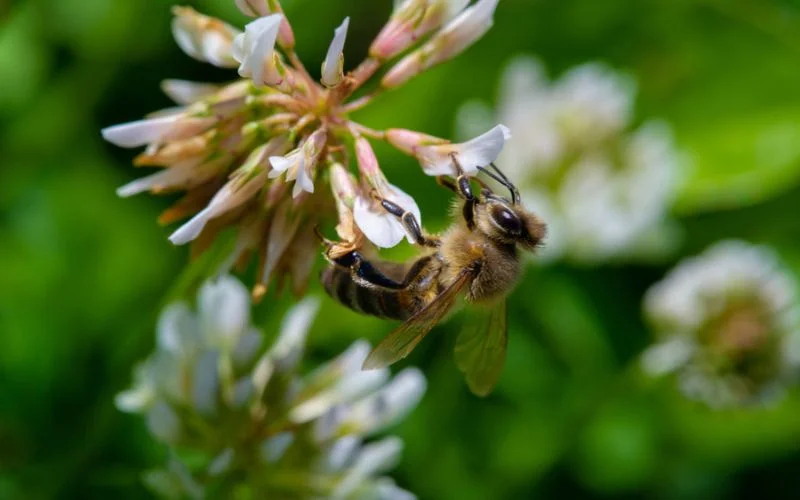
Various factors, such as allergies to certain foods, medications, insect stings, pollen, and animal dander, can cause hives. Stress, extreme temperatures, and even pressure on the skin can also trigger hives. Identifying the underlying cause of your hives is essential to manage and treat them effectively.
Symptoms
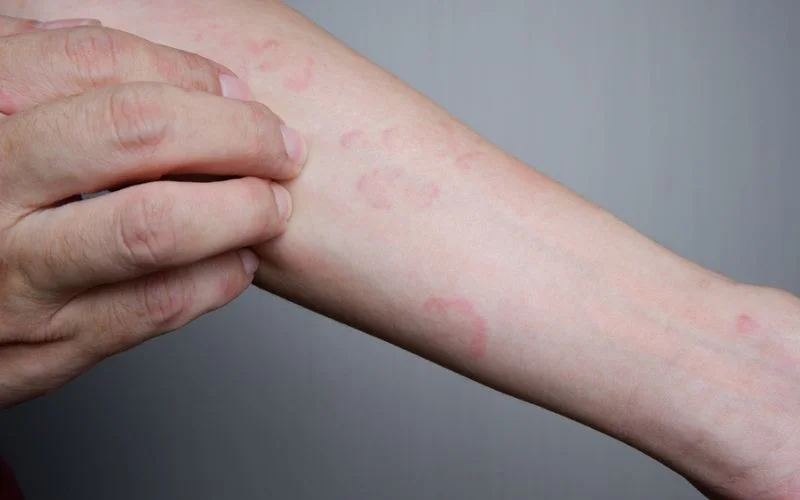
Hives typically appear as raised, itchy skin welts ranging in size from small spots to larger patches. They may be red or flesh-colored and can appear anywhere on the body. In some cases, hives can cause a burning or stinging sensation and might be accompanied by swelling.
Natural Remedies for Hives

Cold Compress
Applying a cold compress to the affected area can help reduce itching and inflammation associated with hives. Wrap ice in a cloth and gently press it against the skin for about 15 minutes.
Oatmeal Bath
Adding colloidal oatmeal to a lukewarm bath can relieve itching and soothe irritated skin. Oatmeal has anti-inflammatory properties that can help alleviate hives discomfort.
Aloe Vera Gel
Aloe vera gel is known for its soothing and anti-inflammatory properties. Applying pure aloe vera gel to the hives can help reduce redness and itching.
Apple Cider Vinegar
Diluted apple cider vinegar can be applied topically to hives using a cotton ball. It has natural antiseptic properties that may help alleviate itching and inflammation.
Chamomile Tea
Chamomile tea bags can be steeped in hot water, cooled, and then applied to the hives as a compress. Chamomile has anti-inflammatory and calming effects on the skin.
Baking Soda Paste
Creating a paste with baking soda and water and applying it to the hives can relieve itching. Baking soda has alkaline properties that can help neutralize skin irritation.
Coconut Oil
Coconut oil can be gently applied to hives to moisturize the skin and reduce itching. Its anti-inflammatory and antimicrobial properties can aid in soothing the affected area.
Witch Hazel
Witch hazel can be used as a natural astringent to calm irritated skin. Applying witch hazel to hives with a cotton ball may help reduce itching and inflammation.
Herbal Supplements
Quercetin
Quercetin is a natural antioxidant in foods like onions, apples, and berries. It has anti-allergic properties that may help stabilize cells releasing histamine, which triggers hives.
Stinging Nettle
Stinging nettle is often used in herbal medicine to manage allergic reactions. It can be taken as a supplement or brewed into tea to reduce hives symptoms potentially.
Turmeric
Curcumin, the active compound in turmeric, possesses anti-inflammatory properties. Adding turmeric to your diet or taking supplements might aid in managing hives-related inflammation.
Vitamin C
Vitamin C is known for its immune-boosting and anti-inflammatory effects. Increasing your intake of vitamin C-rich foods or supplements might assist in mitigating hives symptoms.
Lifestyle Tips to Manage Hives
Stress Management
Stress can exacerbate hives symptoms. Practicing relaxation techniques such as deep breathing, meditation, and yoga can help reduce stress and potentially minimize hives flare-ups.
Allergen Avoidance
Identifying and avoiding triggers, such as specific foods or environmental allergens, can help prevent hives from occurring.
Healthy Diet
Consuming a balanced diet rich in antioxidants, vitamins, and minerals can support overall skin health and potentially reduce the frequency of hives outbreaks.
Hydration
Staying well-hydrated is crucial for maintaining healthy skin. Drinking adequate water can help keep your skin moisturized and may reduce the severity of hives symptoms.
Clothing Choices
Wearing loose-fitting, breathable clothing made from natural fibers can help minimize skin irritation and reduce the risk of hives developing due to friction or pressure.
When to Seek Medical Attention

While natural remedies can be effective for managing hives in many cases, it’s important to consult a healthcare professional if:
Hives are accompanied by difficulty breathing or swelling in the face, lips, or tongue.
Hives persist for an extended period or worsen despite trying remedies.
Hives are painful or cause intense discomfort.
Hives interfere with daily activities or quality of life.
Conclusion
Natural and alternative remedies for Hives offer valuable options for soothing hives and alleviating their bothersome symptoms.
By understanding the causes of hives, adopting healthy lifestyle practices, and incorporating these user-friendly remedies, individuals can find relief and achieve healthier skin without solely relying on conventional treatments.
Always consult a healthcare provider before trying new remedies, especially if you have underlying health conditions or are taking medications.