

Skin conditions can be uncomfortable and distressing, often leaving individuals seeking answers and relief. Two common skin conditions frequently confused due to their similar appearance and symptoms are eczema and hives.
While they may share some similarities, they are distinct conditions with different causes, triggers, and treatment approaches.
This comprehensive guide will explore eczema and hives, highlighting their unique characteristics, causes, symptoms, and available treatment options.
By the end of this article, you’ll have a clearer understanding of these skin conditions and be better equipped to manage and seek appropriate medical care if needed.
Eczema: The Itchy Dilemma
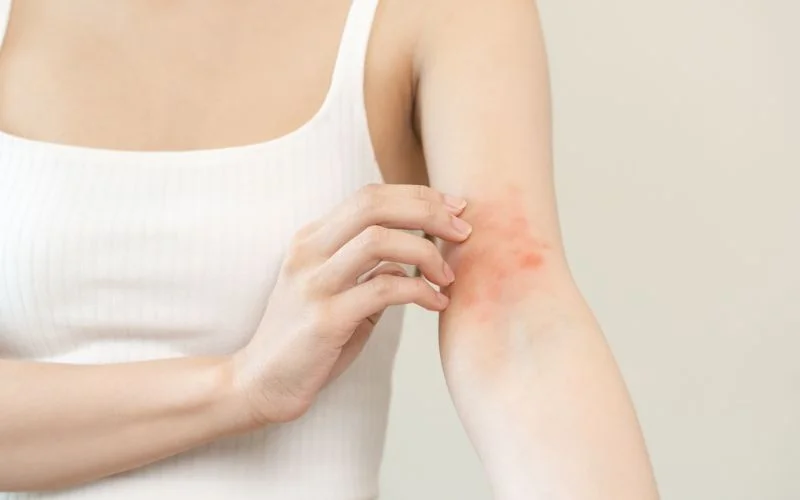
Understanding Eczema
Eczema, or atopic dermatitis, is a chronic inflammation and irritation skin condition.
It typically presents as red, itchy, and dry patches on the skin. Eczema is a common condition affecting children and adults, but it is more prevalent in childhood.
Causes of Eczema
The exact cause of eczema is not fully understood, but it is believed to be a combination of genetic and environmental factors.
People with a family history of eczema, asthma, or allergies are at a higher risk of developing the condition. Environmental triggers such as allergens, irritants, and weather changes can also exacerbate eczema symptoms.
Symptoms of Eczema
Eczema symptoms can vary from person to person but often include:
Itchy Skin: Intense itching is a hallmark symptom of eczema. The urge to scratch can be overwhelming, leading to further skin irritation.
Redness and Inflammation: Eczema-prone skin is often red and inflamed, with visible patches of irritated skin.
Dryness: The affected skin is typically dry; it may become cracked and scaly in severe cases.
Rash Formation: Eczema can cause rashes, which may appear as small raised bumps or more extensive patches.
Blisters and Oozing: In some cases, eczema can lead to blisters that ooze clear fluid when scratched.
Skin Thickening: Over time, chronic eczema can lead to skin thickening, particularly in adults.
Eczema Triggers
Eczema symptoms can be triggered or worsened by various factors, including:
Allergens: Common allergens like pollen, dust mites, and pet dander can exacerbate eczema.
Irritants: Substances such as soaps, detergents, and certain fabrics can irritate eczema-prone skin.
Temperature and Humidity: Extreme temperatures and low humidity can dry out the skin, making eczema worse.
Stress: Emotional stress can trigger or worsen eczema symptoms in some individuals.
Diagnosing and Treating Eczema
Diagnosing eczema typically involves a thorough examination by a dermatologist. They may also perform patch testing to identify specific allergens or irritants that worsen the condition.
The primary goals of eczema treatment are to relieve symptoms and prevent flare-ups. Treatment options may include:
Moisturizers: Keeping the skin well-hydrated with emollient creams or ointments is crucial in managing eczema.
Topical Corticosteroids: These anti-inflammatory creams or ointments can reduce redness and itching.
Antihistamines: In some cases, oral antihistamines can help relieve itching and discomfort.
Immunomodulators: For severe cases, immunomodulatory drugs may be prescribed to suppress the immune response causing inflammation.
Avoiding Triggers: Identifying and avoiding triggers is essential in preventing eczema flare-ups.
Hives: The Unpredictable Rash
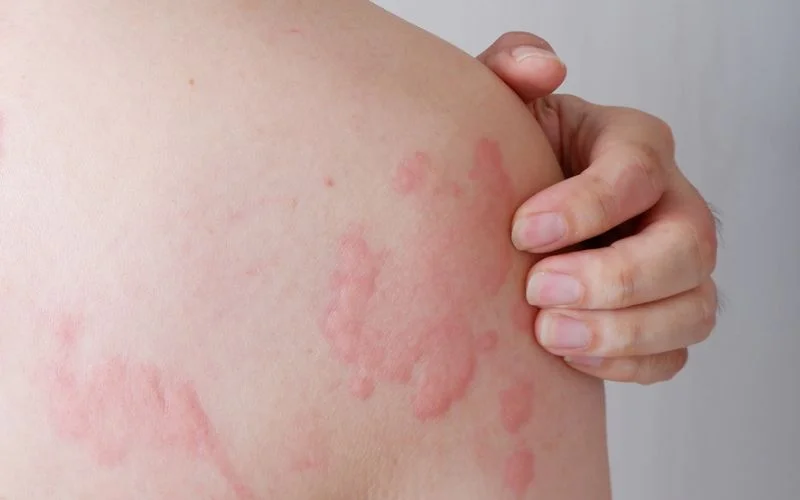
Understanding Hives
Hives, medically known as urticaria, are another common skin condition characterized by the sudden appearance of raised, red, and itchy welts or bumps.
Unlike eczema, hives are typically short-lived and can appear and disappear within hours or days. However, they can be incredibly uncomfortable during their presence.
Causes of Hives
The release of histamine and other chemicals from mast cells in the skin causes hives. The triggers for this release can vary widely and may include:
Allergies: Hives can be triggered by food allergies, medication allergies, or contact with allergens like pollen or animal dander.
Infections: Some viral or bacterial infections can lead to hives.
Medications: Certain medications, especially antibiotics and non-steroidal anti-inflammatory drugs (NSAIDs), can cause hives in some individuals.
Stress and Anxiety: Emotional stress can sometimes trigger hives or worsen existing ones.
Physical Factors: Exposure to extreme temperatures, pressure on the skin (such as from tight clothing), or vigorous scratching can lead to hives.
Symptoms of Hives
The primary symptom of hives is the sudden appearance of raised, itchy welts on the skin. These welts can vary in size and shape and may come and go over a short period. They often have a central pale area surrounded by a red halo.
Diagnosing and Treating Hives
Hives are usually diagnosed based on their characteristic appearance and the patient’s medical history. In some cases, allergy testing may be necessary to identify specific triggers.
The treatment of hives typically involves:
Antihistamines: Over-the-counter or prescription antihistamines can help relieve itching and reduce the appearance of hives.
Identifying and Avoiding Triggers: If the cause of the hives is known, avoiding the trigger is essential in preventing recurrent episodes.
Corticosteroids: In severe cases, oral corticosteroids may be prescribed to reduce inflammation.
Epinephrine: An epinephrine auto-injector may be necessary for severe allergic reactions that cause hives.
Key Differences Between Eczema and Hives

While eczema and hives share some common symptoms, they also have several key differences:
Duration: Eczema is a chronic condition that persists over a long period, whereas hives are typically acute and short-lived.
Appearance: Eczema presents as dry, red, and scaly patches, while hives are raised, red welts with a pale center.
Itchiness: Both conditions are itchy, but the itching in eczema is often chronic and can lead to skin damage from scratching.
Triggers: Eczema is often triggered by allergens, irritants, and environmental factors, while various factors, including allergies, stress, and infections, can trigger hives.
Treatment: Treatment approaches for eczema and hives differ, with eczema often requiring long-term management and packs more focused on relieving acute symptoms.
Conclusion
Eczema and hives are two distinct skin conditions, each with its causes, symptoms, and treatment options.
Understanding these differences is crucial for accurate diagnosis and effective management. If you or someone you know is experiencing skin issues, consult a healthcare professional or dermatologist for a proper evaluation and personalized treatment plan.
While both conditions can be uncomfortable and frustrating, individuals can find relief and improve their skin health with the right care.