
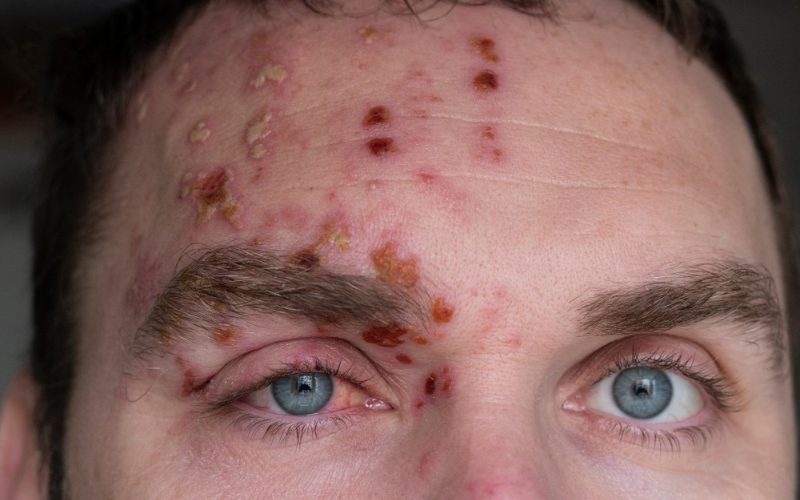
A typical skin reaction known as hives, or urticaria, is characterized by red, itchy, raised welts on the skin’s surface. These welts may emerge suddenly and vanish as fast, varying in size, shape, and position. Angioedema with hives is common in acute conditions.
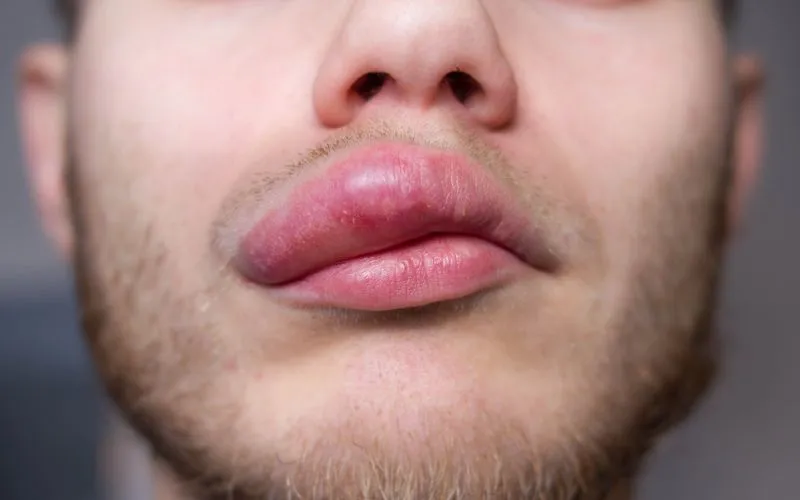
Deeper layers of the skin become swollen, frequently around the lips, face, and genitals. Angioedema and short-lived (acute) hives are frequent.
Most of the time, even without treatment, they are benign, go away in a day, and leave no permanent scars. Chronic hives are those that linger longer than six weeks.
The abdomen or other parts of the body can swell as well. Swelling of the throat can be fatal and needs to be treated immediately by a doctor.
It’s critical to recognize that angioedema is a term used in medicine to describe swelling. It is seen in a wide range of illnesses. For example, hives can appear along with or without angioedema.
What causes angioedema with hives?
The specific cause of acute hives and angioedema is unknown in most cases. Our body can release histamine in response to allergic reactions, drugs, food compounds, insect bites, sunshine, and medicines.
Hives or angioedema can occasionally result from histamine’s tendency to cause blood plasma to leak out of small blood capillaries in the skin. In addition, conditions can sometimes be brought on by:
Foods causing angioedema with hives
People with sensitivities who eat certain foods may experience reactions. Frequent offenders include shellfish, fish, peanuts, tree nuts, soy, eggs, and milk.
Medications causing angioedema with hives
Penicillin, aspirin, ibuprofen (Advil, Motrin IB, and other brands), naproxen sodium (Aleve), and blood pressure medications are just a few of the drugs that might result in hives or angioedema.
Allergens in the air in angioedema with hives
When inhaled, pollen and other allergens can cause hives and occasionally upper and lower respiratory tract symptoms.
Infections caused by insect bites:
Insect bites and infections are additional causes of acute hives and angioedema.
Prevalence of angioedema with hives
Depending on the population being studied, urticaria and angioedema are more or less common. There have been reports of lifetime prevalence rates of 8.8% and 1.8% for chronic urticaria. At some point in their lives, 10 to 20% of people will have an episode of acute urticaria, and 0.1% of people will get chronic spontaneous urticaria.
Symptoms of angioedema with hives
Angioedema is a skin-deep inflammatory response resembling hives. It might show up alone or with packs. Some warning signs and symptoms are:
- Cramps in the abdomen
- Breathing problems
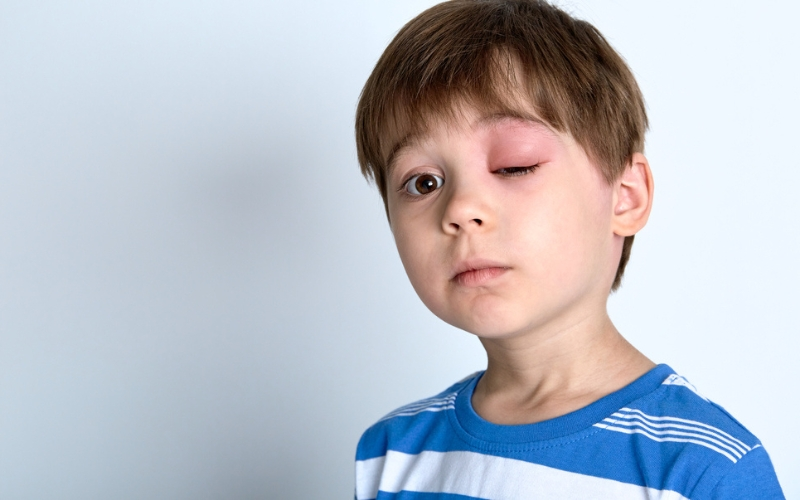
- Enlarged mouth and eyes
- Chemosis, a swelling of the eyelid lining
- Minute to hourly forming warts
- Swelling, particularly in the cheeks, lips, or eyes
- Warmth and some discomfort in the affected areas
Diagnosis of angioedema with hives
About 20% of the cases of hives have angioedema. Your doctor will likely examine your welts or swollen areas and inquire about your medical history to determine whether you have hives or angioedema. A skin test for allergies or blood tests may also be required.
Angioedema occurs in hives, but the specific cause is yet to be found. The doctors and researchers are continuously doing their work to identify the trigger. However, some triggers are identifiable and can cause frustration in patients.
When to seek medical help?
Hives and angioedema are typically manageable in moderate cases at home. However, consult a medical professional if the symptoms last more than a few days.
Your symptoms could indicate an anaphylactic reaction early if you believe a known food or pharmaceutical allergy brought on your hives or angioedema. If your tongue, lips, mouth, or throat feel swollen or you’re experiencing difficulties breathing, get emergency help.
Treatment options available to treat angioedema:
Even though most angioedema cases improve independently within a few days, medication is frequently used.
- Antihistamines and oral steroids (steroid pills) can be used to reduce swelling in allergic and idiopathic angioedema cases.
- A different medicine can typically treat your underlying problem to treat drug-induced angioedema.
- Hereditary angioedema sufferers can avoid episodes with regular medication therapy, even though the disorder cannot be cured.
Complications if the angioedema is left untreated
Severe angioedema can be fatal if throat or tongue swelling closes off the airway.

Lifestyle management in angioedema with hives
Take the following actions to lessen your risk of developing hives or angioedema:
- If the triggers are well-known, try to avoid what caused your hives if you know what it was. Change your clothing and take a bath.
- If previous exposure to pollen or animals caused your hives, change into clean clothes and take a bath or shower.