
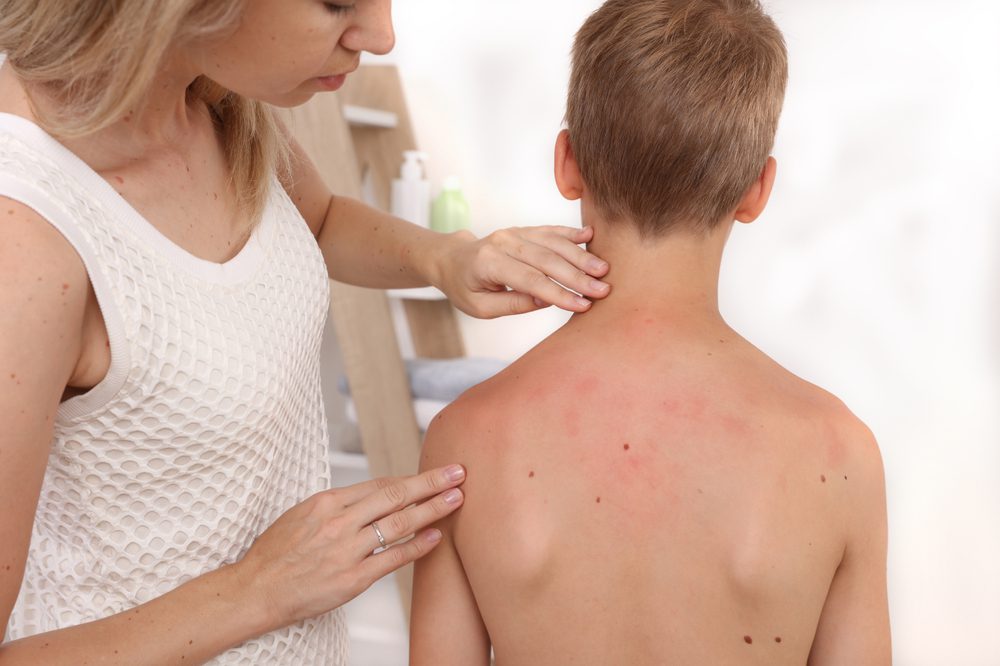
Hives can make you wonder whether hives are contagious. Although hives themselves are not contagious, the thing that is causing them could be. For instance, if an illness like sore throat or COVID-19 is what’s causing your hives, it’s infectious and can spread to other individuals.
Red blemishes may pop up anywhere on your skin. They are due to an allergic response or due to the virus or stress. Your doctor may refer to them as angioedema or urticaria which is Hives. They can last for a few minutes or several days or weeks before they go away. Sometimes hives are a sign of a more critical health condition, especially if you have trouble breathing.
Some bodies are allergic to some medications and food. Like, in most cases, Hives are caused to a person due to consuming dairy products. The patient is allergic to milk and the milk-containing (dairy product) substance did not suit him.
If an individual is affected by Hives, the itchy welts develop on either side of the body or the whole body is wrapped with it. The duration of Hives fluctuates from patient to patient. It also happens that the red welts on your skin heal and then re-appear.
What Makes Hives Contagious?
There are a few hives that are transmissible hives and contain some bacteria and viruses. These viruses travel from one person to another. So, the disease (virus) itself may travel. These types of hives are called Infection-Induced Hives.
Contagious Infections That May Cause Hives:
Some infections spread from one person to another. Their fatality depends upon the immunity of the patient mainly. Following are some infectious diseases that can cause Hives:
-
Sore Throat:
Strep throat is an infectious disease causing the throat to become inflamed and scratchy. Avoid untreated sore throat because it can cause kidney disease or rheumatic fever. The Sore Throat fever leads to Scarlet Fever which also causes the rash. Sometimes, it leads to Hives. This disease is caused by streptococcal bacteria. It can be spread by coughing, sneezing, and sharing food and drinks.
-
Urinary Tract Infection:
It is caused due to an infection in the urethra. The virus mainly spreads through waste materials. It is also one of the transmissible STDs.
-
Hepatitis:
Hepatitis is caused mainly due to the consumption of contaminated water. The viruses which cause Hepatitis A, B, C, D, and E are HAV, HBV, HCV, HDV, and HEV respectively. These itchy raised welts, commonly known as hives, often appear with hepatitis. Unlike an allergic reaction, their duration typically exceeds a couple of hours and leaves a dark stain.
-
COVID- 19:
COVID-19 is a disease that can easily be transferred through breathing and cause many respiratory problems. COVID-19 is caused due to the Crown-shaped surface of a virus known as Coronavirus. COVID-19 affects the skin and causes rashes too. Many dermatologists diagnosed that the Coronavirus also caused Hives. Some cases of Hives were reported; they were suffering from COVID-19. So, it is possible to have Hives after it.
-
Common Cold:
The Hive may also cause by Common Cold. This Hive is called Cold Hives or Cold-Induced Hives. The germs of the common cold are transmitted through breathing, coughing, and sneezing. The causes of a common cold are of unknown origin.
-
Infectious Mononucleosis (Mono):
Infectious mononucleosis, referred to as mono, is a net contagious disease. The Epstein-Barr virus is the main source of the infectious disease mononucleosis, but other viruses can also cause this disease. It is most common among teenagers and young adults, especially those studying in educational institutions. It can transmit through saliva and blood. However, the rash is not it’s one of the common symptoms. But, these rashes on further converted into Hives.
Medical Treatments and Hives

Some medical treatments like diagnosing (a disease) tests and different therapies are the reason for Hives. These treatments may contain some ingredients/ items which affect the human body. Sometimes, it is allergic or affects the skin.
Following are some treatments:
- Radiotherapy
- Blood Transfusion
- Organ Transplantation
Conclusion:
For the diseases which are explained above, it is better to consult a doctor who knows your previous medical history. That doctor would know the best medication which is not allergic and cause you any harm. Moreover, be careful about radiotherapy and consult to doctor regarding the allergy to skin and skin hives.