

The largest internal organ of the body is the skin. Skin rashes, including pimples and redness, are frequently caused by contact with an irritant. But occasionally, they might indicate cancer. “Can cancer cause hives?” Let’s Dig In.
Approximately 1.7 million new cancer cases are diagnosed annually in the United States. (Source: American Cancer Society)
There are numerous causes of skin rashes, the majority of which are unrelated to cancer. Nevertheless, a rash might indicate a problem that has to be treated, such as an infection or an allergy.
What causes skin rashes?

Skin Rashes
There are several potential reasons for pruritus or itchiness, most of which are not harmful. Itchy skin, however, can also be a sign of some cancers or a side effect of cancer treatments. In addition, itchy skin can be a bothersome and painful experience.
About 5-10% of cancer patients experience hives as a side effect of their cancer treatment. (Source: American Academy of Dermatology)
Additionally, persistent scratching can result in problems, including painful, exposed wounds and sores that are more prone to infection.
Cancers that cause hives, also known as cutaneous paraneoplastic syndrome, are a rare but important manifestation of certain malignancies. These cancers stimulate the immune system to produce hives or other skin manifestations. This article will explore the syndromes, diagnosis, and available information about cancers that can lead to hives. It is essential to remember that hives are a common symptom in various conditions, so it is crucial to consult a physician for an accurate diagnosis and appropriate care.
-
Hives Associated with Leukemia and Lymphomas:
1.1 Leukemia: Leukemia, a blood cancer that affects the bone marrow, can cause hives in some cases. While hives are not typically associated with leukemia, a study has indicated a relationship between certain forms of leukemia and skin manifestations such as hives. If you have a family history of leukemia or notice unusual changes on your skin, seeking medical attention is advised.
1.2 Non-Hodgkin Lymphoma: Non-Hodgkin lymphoma, a type of blood cancer that affects the lymphatic system, can also be associated with hives. In addition, studies have shown a correlation between specific lymphoma subtypes, such as mycosis fungoides and Sézary syndrome, and the development of hives or skin lesions. Consultation with a dermatologist and a hematologist-oncologist can help determine the relationship between your symptoms and the presence of lymphoma.
-
Recognizing the Symptoms:
2.1 Appearance and Distribution of Hives: Hives associated with cancers may appear as itchy, red patches, plaques, or raised spots on the skin. They can vary in size, shape, and borders. Hives can manifest on anybody, including the face, neck, chest, arms, hands, legs, and feet. If you notice persistent hives that do not respond to over-the-counter treatments and show an unusual appearance or distribution, it is advisable to consult a physician.
2.2 Differential Diagnosis: Since hives can be a symptom of various conditions, it is essential to rule out other causes, such as dermatitis, angioedema, vasculitis, or thyroid disease. A comprehensive evaluation by a healthcare team, including dermatologists and oncologists, can help differentiate between different causes and guide appropriate care.
-
Diagnosis and Treatment:
3.1 Diagnostic Procedures: To determine if hives are related to underlying cancer, a thorough examination of medical history, physical examination, and diagnostic tests are necessary. This may involve blood tests, skin biopsies, and imaging studies to evaluate the presence of cancer cells or their antibodies within the skin tissues.
3.2 Treatment Approach: The treatment of cancers associated with hives depends on the specific diagnosis, stage, and progression of cancer. A multidisciplinary team of physicians, including oncologists, dermatologists, and other specialists, will work together to develop an individualized treatment program. This may involve chemotherapy, radiation therapy, immunotherapy, or targeted therapy to address the underlying cancer and manage the associated symptoms.
-
Prevention and Prognosis:
4.2 Prognosis and Follow-Up:
The prognosis for cancers associated with hives varies depending on the type and stage of the cancer. However, timely diagnosis, appropriate treatment, and regular follow-up with physicians can improve outcomes and enhance the quality of life for affected individuals.
4.2.1 Prognosis: The prognosis for individuals with cancers that cause hives depends on various factors, including the specific type of cancer, its stage at the time of diagnosis, and the individual’s overall health. Early detection and prompt treatment play a critical role in improving prognosis. Some cancers associated with hives, such as mycosis fungoides and Sézary syndrome, are generally considered chronic conditions that require long-term management.
4.2.2 Follow-Up Care: Regular follow-up care is essential after receiving a diagnosis of cancer associated with hives. Follow-up appointments with healthcare professionals, including oncologists and dermatologists, allow for continuous monitoring of the cancer’s progression and the effectiveness of treatment. These appointments also provide an opportunity to address any concerns or new symptoms that may arise.
During follow-up visits, physicians may perform physical examinations, order additional tests, and discuss any necessary adjustments to the treatment plan. This ongoing care helps ensure the individual receives appropriate medical attention and support throughout their journey.
Additionally, follow-up care often addresses living with cancer’s emotional and psychological aspects. Finally, supportive care programs, counseling services, and support groups can provide a valuable network of resources for individuals and their families, offering guidance, encouragement, and a safe space to share experiences.
Fact about skin rashes
Skin rashes can have a wide range of characteristics, including itching, redness, bumpiness, roughness, scaliness, swelling, and irritation. However, not every inflammation will have the same features, and even amongst rashes, appearances can differ greatly.
Which types of cancer cause hives or itchy skin?
According to several researchers, the following cancers have the strongest associations with urticaria or itching skin:
- Skin cancer.
- Liver tumor or cancer.
- Biliary cancer – a disease that affects the biliary system’s organs, including the gallbladder and bile ducts.
- Bone marrow-related cancers.
Additionally, the researchers say that blood, skin, and soft tissue malignancies are more prevalent in black persons with itching than in white people. On the other hand, white people are at higher risk of liver, respiratory, gastrointestinal (GI), and gynecologic cancers.
Types of cancer cause hives or itchy skin
Following are the types of cancer that cause hives or itchy skin.
- Skin cancer
- Lymphoma
- Polycythemia vera
- Gastrointestinal cancers
Skin cancer
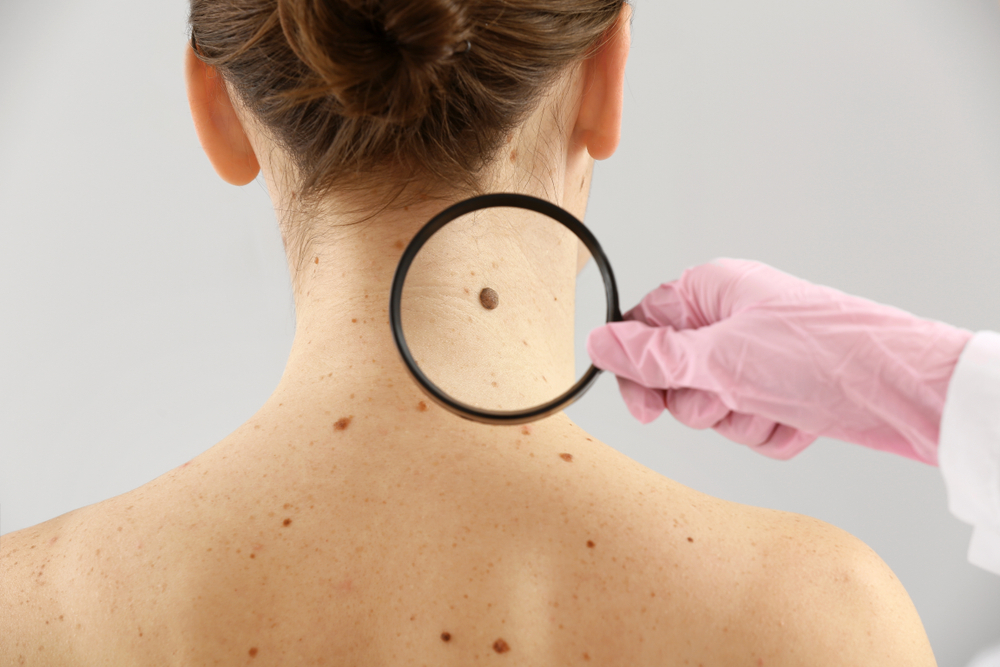
Skin cancer
According to medical professionals, skin alterations rather than itching are more frequently linked to skin cancer. Cancer, however, can irritate the skin’s nerve endings, resulting in itching.
Lymphoma
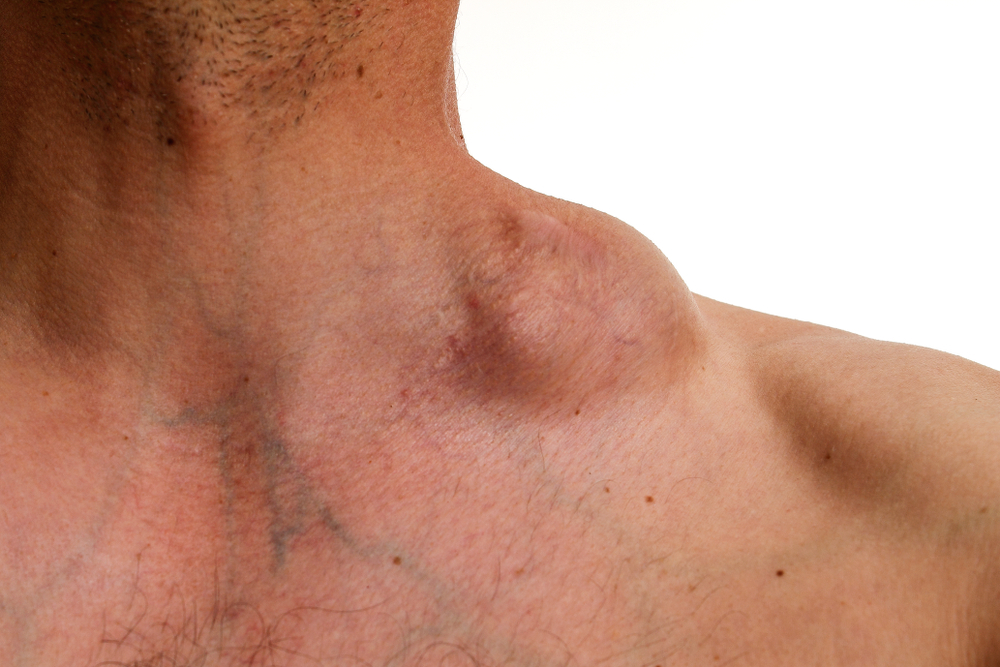
Lymphoma
The lymphatic system, a network of organs, glands, and tubes essential to immunity, is affected by the cancerous condition known as lymphoma.
Lymphocytes, which are white blood cells, are specifically impacted by lymphoma. In addition, a class of lymphomas known as cutaneous T-cell lymphomas usually show the symptom of itching. Itching might result from nerve endings responding to immune system chemicals released in reaction to the lymphoma.
Polycythemia vera

Polycythemia vera
A blood disorder called polycythemia vera (PV) makes the body overproduce red blood cells, white blood cells, or platelets.
- The specific cause of PV is unknown, although experts generally think that a genetic mutation is the root cause.
- One of the signs of PV is itchy skin, which often happens after skin contact with water.
- This pruritus most likely results from an excess of immune cells that release histamines into the body.
- The histamines subsequently result in allergy symptoms like itchy skin.
Gastrointestinal cancers

Gastrointestinal cancers
Certain gastrointestinal malignancies, such as GI stromal tumors, may bring on pruritus or urticaria.
The bile ducts that connect the liver and small intestine are blocked when a person has GI cancer, which leads to pruritus. This obstruction impedes the natural flow of blood-derived fluid into the intestines. As a result, the skin may become exposed to these substances, which may irritate.
Conclusion about cancers that cause hive:
While hives are a common symptom associated with various conditions, including certain cancers, seeking medical attention for an accurate diagnosis and appropriate care is crucial. Cancers that cause hives, such as leukemia and lymphomas, require specialized evaluation and management by a multidisciplinary team of physicians.
By understanding the syndromes, recognizing the symptoms, and pursuing a timely diagnosis, individuals affected by cancers that cause hives can receive the necessary treatment and support. In addition, regular follow-up care and close collaboration with healthcare professionals can improve prognosis and enhance the overall quality of life for those facing these complex conditions.
Remember, if you or someone you know experiences persistent hives or other concerning symptoms, consult with a physician for a thorough evaluation and guidance.
What additional factors contribute to itchy skin?
Itchy skin is a symptom that some cancer types can cause. However, cancer is not the main reason why it happens. However, a person will almost certainly encounter additional symptoms if cancer is the underlying cause.
Itchy skin can be a symptom of various skin diseases, including Arid skin, hives, lupus, prickly heat, eczema, psoriasis, dandruff, dermal fungal infections, and skin conditions caused by parasites like scabies and lice.
Causes of itchy skin
Among the additional root causes of itchy skin are:
- Insect stings
- Allergies
- Dehydration
- Nerve problems
- Certain circumstances, including diabetes, enlarged thyroid, renal illness, aging, certain medicines, hormone adjustments, and a dry climate.
How is it treated if cancer causes hives?
A person should see a doctor for severe or ongoing skin itching. Depending on the patient’s symptoms, the doctor might request the following tests:
- A blood test
- Skin samples
- Scrapes of skin
The underlying cause will determine the type of treatment a doctor will advise for itchy skin. Possible therapies include:
- Medically prescribed creams, lotions, or ointments
- Steroids used topically or orally
- Antihistamines
Does itching or hives occur with cancer treatments?
As a side effect of some cancer treatments, itchy skin or hives may develop due to the following:
- Chemotherapy
- Radiation treatment
- Targeted treatment
- Immunotherapy
Additionally, taking drugs in addition to main cancer treatments might cause skin itching as a side effect. These medicines could consist of the following:
- Antiemetic medications
- Hormonal treatment
- Analgesics
When to consult a doctor?
If itching persists for more than two weeks, especially if it affects the entire body and has no known reason, a person should seek advice from a medical practitioner. In addition to itchy skin, people should see a doctor if they suffer any of the following signs:
- Flaky, red, and dry skin
- Skin pimples or rashes
- Skin lesions
- Yellowing of the skin or eye whites