

Chronic Spontaneous Urticaria (CSU), also known as chronic idiopathic urticaria, is a perplexing and often debilitating skin condition characterized by the recurrent occurrence of hives or wheals.
These wheels appear suddenly, itch intensely, and can vary in size and shape, causing immense discomfort for affected individuals. The term “chronic” signifies that the condition persists for at least six weeks, distinguishing it from acute urticaria, which typically resolves quickly.
Despite being a common skin disorder, CSU presents challenges in diagnosis and treatment due to its elusive nature.
Understanding Chronic Spontaneous Urticaria

CSU is an autoimmune skin disorder wherein the immune system mistakenly targets healthy cells in the skin, releasing histamines and other inflammatory mediators.
These substances cause blood vessels to leak fluid into the surrounding tissue, leading to red, raised welts on the skin, known as wheals or hives.
These wheals are often accompanied by intense itching, which can significantly impact an individual’s quality of life.
Symptoms and Clinical Presentation
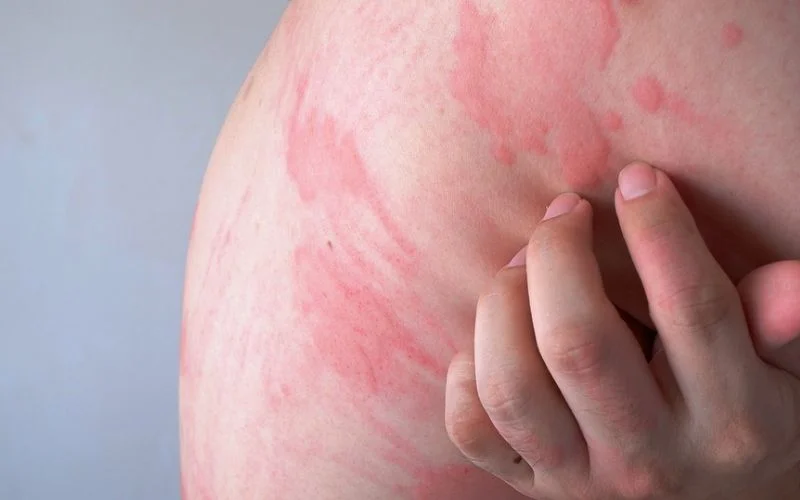
The hallmark symptom of CSU is the appearance of wheals on the skin. These wheals are typically raised, red or pink, and vary in size, ranging from a few millimeters to several centimeters in diameter.
They can appear anywhere on the body and often come and go over hours or days. The itching sensation is often described as severe and can interfere with daily activities and sleep patterns.
In addition to wheals, some individuals with CSU may also experience angioedema. Angioedema involves swelling in deeper layers of the skin, often around the eyes, lips, hands, feet, or genital areas.
It can be more concerning than wheels due to its potential impact on breathing and vision when affecting the face.
Underlying Causes of Chronic Spontaneous Urticaria
The exact cause of CSU remains a subject of ongoing research, but autoimmune processes are believed to play a central role. Sometimes, CSU may be triggered by infections, medications, or underlying health conditions.
However, the trigger remains unidentified in most cases, leading to the term “idiopathic” in its earlier name, chronic idiopathic urticaria.
Diagnosis of Chronic Spontaneous Urticaria
Diagnosing CSU involves a combination of clinical evaluation, medical history assessment, and, in some cases, diagnostic tests to rule out other potential causes.
The key diagnostic criterion is the recurrence of hives and itching for at least six weeks. Blood work and allergy tests may be conducted to identify underlying conditions, but they often yield inconclusive results in CSU cases.
Treatment and Management

Managing CSU can be challenging due to its chronic and unpredictable nature. However, several approaches are available to help alleviate symptoms and improve the quality of life for individuals with this condition.
Antihistamines: These are the first-line treatment for CSU. They work by blocking the effects of histamine, which is responsible for the itching and swelling associated with hives. Non-sedating antihistamines are usually preferred, and higher doses may be required than those typically used for allergies.
Other Medications: For cases that do not respond adequately to antihistamines, additional medications such as corticosteroids, leukotriene receptor antagonists, and immunosuppressants may be prescribed.
Avoiding Triggers: While triggers are often elusive in CSU, if a specific stimulus is identified, avoiding it can help prevent flare-ups.
Lifestyle Modifications: Stress management techniques, maintaining a balanced diet, regular exercise, and adequate sleep can contribute to overall well-being and potentially reduce the frequency of flare-ups.
Biologics: In recent years, biologic medications that target specific molecules involved in the immune response have shown promise in treating severe cases of CSU.
Educational Support: Educating individuals about their condition, its chronic nature, and effective coping strategies can empower them to manage CSU more effectively.
Psychosocial Impact
CSU can take a toll on an individual’s mental and emotional well-being. The unpredictable nature of flare-ups, persistent itching, and the visibility of skin lesions can lead to heightened stress, anxiety, and even depression.
Support from healthcare professionals, support groups, and loved ones can play a crucial role in addressing these psychosocial challenges.
Conclusion
Chronic Spontaneous Urticaria is a complex and often misunderstood skin condition that can significantly impact an individual’s quality of life.
Although the exact causes remain elusive and a cure is not yet available, advancements in research and treatment options are providing hope for improved management of symptoms.
The medical community can make a meaningful difference in those living with CSU by raising awareness, fostering understanding, and providing comprehensive support.
If you suspect you have CSU or are struggling with persistent skin allergies, seeking medical advice and developing a management plan with a healthcare professional is the first step toward relief and a better quality of life.