
It is possible to get hives at any age, but children with allergies are more likely to get them. Thus, parents need to know more about Hives. In this blog, we are going to guide you that what parents need to know if their kids have hives.
What are Hives?
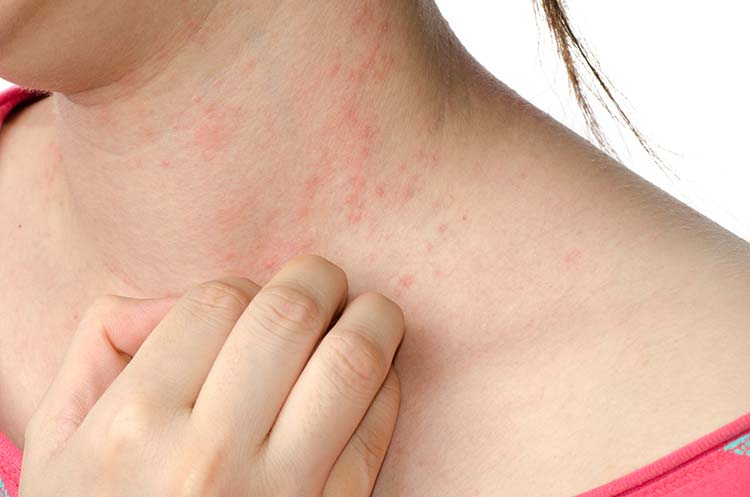
Hives frequently have a pale core and are elevated red pimples that are spherical or oval. They come in a variety of sizes, are extremely itchy, and tend to get worse at night. They might appear for an hour or two, then vanish within a day. Hives can show up all by themselves, in groups, or across a sizable area of the body.
There are numerous causes for hives to develop. Viral infections, allergic responses, or insect stings can all cause hives in youngsters. Children with a history of anaphylaxis are the ones who are most at risk. However, there is always a chance of an outbreak if a new drug is used, a new meal is eaten, or a bug bite takes place.
How To Know If Your Child has Hives
The appearance of hives in children is the same as in adults. They are just red, raised blotches or welts that can form on the skin single, in a group, or interlinked over a specific area of the skin.
Hives in children arise in reaction to an allergen or trigger, often within two hours after exposure, just like in adults. According to Dr. Woods, frequent allergies include foods, spices, scents, topical items like soaps and lotions, pet dander, drugs (often antibiotics), and insect bites. Other factors include sickness, stress, physical pressure, sudden temperature changes, exercise, and itching. Infections (such as strep throat or numerous pediatric viruses like the common cold) are another factor.
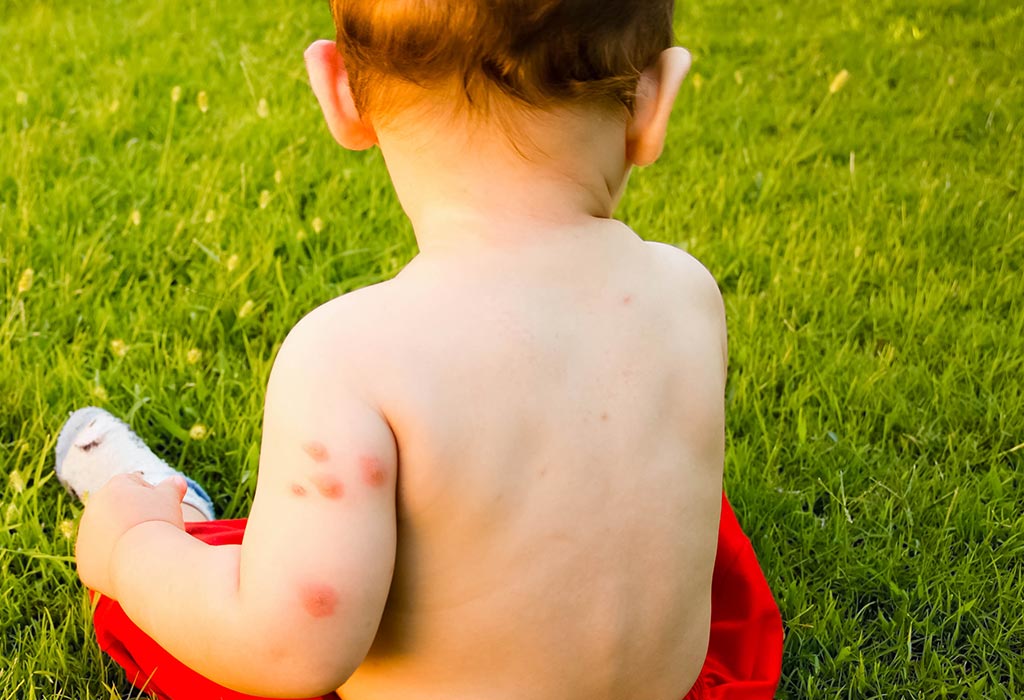
Round wheals that resemble mosquito bites may have formed if your child has hives. The wheals can have a white center and a crimson outside.
- Hives often itch a lot, but they can also sting.
- A single wheal frequently persists for several hours before disappearing completely.
- Wheals typically appear in groups or clusters. As dated regions disappear, new groups could emerge.
- For bigger swells, the wheals commonly band together. The damaged skin region may be as little as a grain of rice or as large as a dinner platter.
- The duration that it takes for hives to go away depends on what caused them. Hives frequently disappear after a few days in cases of idiopathic urticaria, where there is no recognized cause, but they can occasionally persist for weeks.
- Hives might feel or look unpleasant, but they are typically not harmful.
The best course of action is to keep your youngster away from known triggers. Your youngster should rigorously avoid the medication or food that triggered the hives if it was the culprit. Relaxation breathing exercises could be helpful if your child experiences hives when they are anxious. It is challenging to stop your child’s hives if you don’t know what causes them.
Even though you might not be aware of what causes hives in your child, it’s still necessary to periodically remind them to do so. Children who are taught to be clean will develop the habit of regularly washing their hands and their surroundings, which should assist to eradicate any residual bacteria.
What To Do If Your Child Has Hives
If you notice hives on your child, it’s normal to be concerned. Parents may be alarmed by them if they are very large. Sometimes, the concern is well-founded. After all, some children with hives need emergency care. Anaphylaxis, a severe allergic reaction that can be fatal, can be brought on by a food allergy. Breathing problems, lightheadedness, nausea, vomiting, diarrhea, a rapid heartbeat, tightness in the throat, and hoarseness of voice are some of the symptoms.
Breathing problems may also result from angioedema illness, which can cause swelling in the hands, feet, genitalia, lips, eyes, and other body parts. You must seek emergency medical attention if your child is wheezing or has breathing difficulties.
It is safe to treat the youngster at home if the first hive is not accompanied by the aforementioned symptoms. The main objective will be to make your child feel better because hives can be very unpleasant and irritating. In the absence of any additional symptoms, the hives themselves will typically go away on their own and won’t put the youngster at greater risk.
Take your child to the doctor if their hives persist for more than six weeks. Hives that are severe or persistent may be treated with:
- Showing that there is no underlying condition that is causing the rash
- Corticosteroids are a type of medication that can lessen the immune system’s reaction to stimuli.
- Continuous nondrowsy antihistamines can be quite helpful if used before bed to relieve itching.
Your child needs to contact a doctor if the hives are ever accompanied by other symptoms (high fever, bruising, purple skin discoloration, or joint pains). Then dial 911 if your youngster exhibits anaphylactic symptoms.
What May Have Caused Hives in Your Child
Hives are skin blemishes that can develop as an allergic reaction occurs when the body’s defenses react to anything like food or insect venom. Once the trigger has been eliminated, hives in this situation frequently persist for a few hours. Hives can frequently appear without a cause, and the immune system may be reacting to a viral disease or cold. These hives frequently appear and disappear for several days to weeks. Histamine is a substance that is secreted in hives.
Allergy tests are not necessary if hives have been present for more than a few days and there is no apparent explanation; in these situations, there is typically no outside trigger, and the hives gradually become better over time. These conditions can occasionally also be accompanied by related lip- or eye-swelling.
Testing for allergies may be necessary if hives develop quickly after consuming a particular meal, medication, or insect sting and disappear within a few hours of discontinuing exposure to the trigger.
Hives are irritable lumps that appear when histamine is released by the body. Histamine is a component of your body’s immunological reaction to an impending threat. However, the body frequently responds when there is no true threat.
Kids’ idiopathic hives signify the absence of a known cause or trigger. When hives in youngsters become persistent, this is most frequently the case. Even if a reason is unknown, the body can release histamine and result in hives in response to several environmental variables. Among these triggers are:
- Pressure on the skin
- Anxiety
- Heat
- Cold
Hives occasionally have a known cause. The following are the most widely known causes of hives in children:
- Infection (typically a virus) (usually a virus)
- reaction to medication
- An allergic response (foods, insects, environment, or medications)
- Anaphylaxis
Hives can be identified by a doctor merely by looking at the affected area, and they can also try to determine what might be causing the hives. A professional may be recommended if you frequently get hives or if your reaction was severe.
Antihistamines are a kind of medication that doctors frequently advise you to take to get rid of the itching. Hives generally last between 4 to 24 hours, and the majority of the time, they go away on their own without the need for treatment or a trip to the doctor.
Hives, on the other hand, can signal a more severe allergic reaction that might impair breathing and other bodily processes. For instance, it’s crucial to contact a doctor right away if hives are present along with additional symptoms like tongue or lip swelling, breathing issues, nausea or abdominal pain, fainting, or other difficulties.
Some individuals who are aware of having severe allergies carry epinephrine, which is administered intravenously. Parents should always carry this emergency shot with them and be familiar with how to use it because allergic reactions can occur quickly.
Epilogue
Your child’s hives are most likely an allergic reaction to anything like pet saliva, plant pollen, or a little chemical irritant if they are limited to a small patch and your child is otherwise symptom-free. To relieve itching, wash your child’s skin and give them ice cubes or a cold pack.
Within a few hours, the hives ought to go away. Give your child a dosage of Benadryl every four to six hours until the hives have reduced if the hives are more widespread or extremely itchy and they are not accompanied by other symptoms and they are older than one.
The majority of hive instances are not dangerous, and within a few hours to a few days, your child should start to seem less blotchy and have less itching. Of course, it’s a good idea to phone your child’s doctor if you have any worries. As part of the treatment, medications and trigger avoidance are used. Each child may have different triggers, and often, no single trigger can be determined