
Introduction
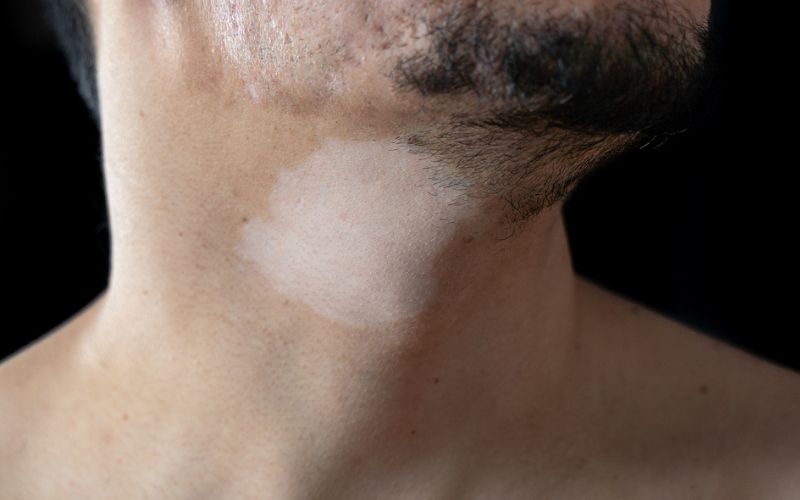
Hypopigmentation is a dermatological condition characterized by the loss or reduction of melanin pigment in the skin, hair, or eyes, resulting in lighter patches or spots than the surrounding skin. This condition can have various underlying causes and manifest differently, affecting individuals of all ages and ethnicities. This article will delve into the world of hypopigmentation, exploring its types, causes, diagnostic methods, and available treatment options.
Types of Hypopigmentation

There are several types of hypopigmentation, each with distinct characteristics and underlying causes:
Vitiligo: One of the most well-known types of hypopigmentation, vitiligo is an autoimmune disorder that destroys melanocytes, the cells responsible for producing melanin. This results in white patches on the skin, which can vary in size and location. Vitiligo can impact the skin, hair, and mucous membranes.
Albinism: Albinism is a genetic disorder that affects the entire body’s ability to produce melanin. Individuals with albinism have very pale skin, hair, and eyes due to a lack of melanin. This condition can also lead to visual impairments and sensitivity to light.
Tinea Versicolor: This fungal infection often results in small, discolored patches of skin that may appear lighter or darker than the surrounding skin. Tinea versicolor is caused by the yeast Malassezia and tends to be more noticeable after sun exposure.
Pityriasis Alba: Commonly seen in children and young adults, pityriasis alba presents as light, scaly patches on the skin, particularly on the face. The cause of this condition is not fully understood but is thought to be related to eczema or sun exposure.
Causes of Hypopigmentation

Various factors, including genetics, autoimmune responses, infections, and environmental triggers, can cause hypopigmentation:
Genetics: Albinism is a classic example of a genetically inherited form of hypopigmentation. It results from mutations in genes involved in melanin production, such as the OCA1 and OCA2 genes.
Autoimmune Disorders: Conditions like vitiligo arise from autoimmune responses, where the body’s immune system mistakenly attacks and destroys melanocytes. Genetic predisposition and environmental factors may contribute to the development of these disorders.
Infections: Fungal infections, such as tinea versicolor, can disrupt the skin’s natural pigmentation. The yeast Malassezia interferes with melanin production, leading to patches of altered coloration.
Post-Inflammatory Hypopigmentation: Skin injuries or inflammation, such as burns, cuts, or certain skin diseases, can disrupt the normal melanin production process. As the skin heals, hypopigmented areas may develop.
Neurological Factors: Neurological conditions can affect the signaling pathways that regulate melanin production, leading to irregular pigmentation patterns.
Sun Exposure: Prolonged sun exposure can sometimes trigger hypopigmentation, particularly in individuals with tinea versicolor or pityriasis alba. This is due to the impact of UV radiation on melanin-producing cells.
Diagnosis and Assessment

Diagnosing the underlying cause of hypopigmentation involves a comprehensive evaluation by a dermatologist. The diagnosis process typically includes the following:
Medical History: The dermatologist will inquire about the patient’s medical history, family history, and any recent changes or events that may have triggered the condition.
Physical Examination: A thorough examination of the affected areas is conducted to assess hypopigmentation’s extent, location, and nature.
Wood’s Lamp Examination: A Wood lamp that emits ultraviolet light may be used to assess the affected skin. This can help distinguish between different types of hypopigmentation, as certain conditions like vitiligo fluoresce under UV light.
Skin Biopsy: In some cases, a small sample of affected skin may be examined under a microscope. This can provide valuable insights into the underlying cause of hypopigmentation.
Blood Tests: Blood tests may be ordered to check for autoimmune markers, genetic mutations, or other factors that could contribute to hypopigmentation.
Treatment Options

Treatment for hypopigmentation varies depending on the underlying cause, the extent of the condition, and the patient’s preferences. While complete restoration of normal pigmentation may not always be possible, several treatment options are available:
Topical Steroids: Corticosteroid creams or ointments can help reduce inflammation and stimulate repigmentation. These are often used in cases of post-inflammatory hypopigmentation.
Topical Calcineurin Inhibitors: Medications like tacrolimus and pimecrolimus can help regulate the immune response and promote repigmentation in conditions like vitiligo.
Phototherapy: Light-based treatments such as narrowband UVB therapy can stimulate melanocyte activity and promote repigmentation in certain cases of hypopigmentation.
Depigmentation: In cases of severe vitiligo, where depigmentation is preferred, topical creams containing monobenzone can lighten the remaining pigmented skin.
Microskin Pigmentation: Also known as medical tattooing, this technique involves implanting pigment into the skin to match the surrounding skin tone.
Camouflage Makeup: Specially formulated makeup products can cover up hypopigmented areas and even skin tone.
Surgical Options: Surgical procedures like punch grafting, blister grafting, and melanocyte transplantation can be considered for cases of stable vitiligo that have not responded to other treatments.
Lifestyle and Prevention

While not all forms of hypopigmentation are preventable, certain lifestyle measures can help manage and reduce the risk of certain conditions:
Sun Protection: Using broad-spectrum sunscreen and protective clothing can help minimize the impact of UV radiation on the skin, reducing the risk of sun-induced hypopigmentation.
Early Intervention: Timely treating skin infections or inflammation can prevent post-inflammatory hypopigmentation.
Regular Skin Examinations: Regular self-examinations can help detect changes in skin pigmentation and allow for early intervention if necessary.
Conclusion
Hypopigmentation is a complex dermatological condition with various underlying causes and manifestations. From genetic factors to autoimmune responses and environmental triggers, the reasons behind hypopigmentation can be diverse. Accurate diagnosis and assessment by a dermatologist are crucial for determining the most appropriate treatment approach, which may range from topical therapies to surgical interventions. While the complete restoration of pigmentation might not always be feasible, modern medicine offers a range of options to manage and improve the condition’s appearance, thereby enhancing the quality of life for individuals affected by hypopigmentation. Additionally, preventive measures and early interventions can play a vital role in managing the risk and impact of this condition.
FAQs
What is hypopigmentation? Hypopigmentation is a dermatological condition characterized by the loss or reduction of melanin pigment in the skin, hair, or eyes, leading to lighter patches or spots compared to the surrounding skin.
What are the common types of hypopigmentation? The main types of hypopigmentation include vitiligo, albinism, tinea versicolor, and pityriasis alba. Each type has distinct characteristics and underlying causes.
What causes hypopigmentation? Hypopigmentation can be caused by genetics, autoimmune disorders, infections, post-inflammatory responses, neurological factors, and prolonged sun exposure.
How is hypopigmentation diagnosed? Diagnosis involves a comprehensive process, including medical history, physical examination, Wood’s lamp examination, skin biopsy, and blood tests to determine the underlying cause of hypopigmentation.
Can hypopigmentation be treated? Yes, treatment options are available depending on the specific condition and its severity. These options include topical steroids, calcineurin inhibitors, phototherapy, depigmentation, micro skin pigmentation, camouflage makeup, and surgical procedures.
Is the complete restoration of pigmentation always possible? Complete restoration of pigmentation may not always be achievable, but various treatment options can help manage and improve the appearance of hypopigmented areas.
How can I prevent hypopigmentation? While not all forms of hypopigmentation are preventable, you can reduce the risk by using sun protection measures, seeking early treatment for skin infections or inflammation, and performing regular self-examinations.
Can hypopigmentation be caused by exposure to the sun? Yes, prolonged sun exposure can trigger hypopigmentation, especially in conditions like tinea versicolor and pityriasis alba. UV radiation can impact melanin production and distribution.
Are there surgical options for treating hypopigmentation? Yes, surgical options such as punch grafting, blister grafting, and melanocyte transplantation can be considered for stable vitiligo cases that have not responded to other treatments.
Is hypopigmentation a lifelong condition? For some individuals, hypopigmentation may be a lifelong condition, especially in cases of genetic conditions like albinism. However, various treatment options can help manage and improve its appearance.