

Pregnancy is a beautiful yet transformative phase in a woman’s life but often comes with its fair share of discomforts. Pregnancy-related specific dermatoses are skin conditions that develop during pregnancy and go away after delivery. Pruritus with pregnancy is common complication of pregnancy.
Itching and only secondary skin lesions in the form of excoriations, with or without signs of cholestasis, are the main symptoms of the skin illness known as pruritus gravidarum in gravid(pregnant) women.
Etiology:
Approximately 40% of pregnant women get pruritus.1,2 When pruritus is severe enough, it might compromise one’s ability to sleep and enjoy life, as well as trigger or worsen depression. Pruritus is more common in women with a history of allergies, eczema, or asthma.
Pregnancy-related dermatoses
Although dry skin is frequently blamed, it can signify a pregnancy-specific underlying problem. Pregnancy-related dermatoses include
- Pemphigoid gestationis (PG)
- Intrahepatic Cholestasis (ICP)
- Pruritic Urticarial Papules and Plaques of Pregnancy (PUPPP)
- Atopic Eruption of Pregnancy.
Causes of pruritus during pregnancy
Hormonal changes:
During pregnancy, itching is frequent. Typically, it’s assumed that increased levels of specific chemicals in the blood, such as hormones, are what’s to blame.
Stretched skin:
When your bump increases, your abdomen’s skin may expand and get itchy.
Intrahepatic Cholestasis (ICP)
But itchiness may be a sign of Obstetric Cholestasis (OC), also known as Intrahepatic Cholestasis of Pregnancy (ICP), a liver disease. ICP requires medical care. In the UK, it affects about 1 in 140 pregnant women.
PUPPP
Pruritic Urticarial Papules and Plaques of Pregnancy (PUPPP) is a rare condition in which the affected area gets red, itchy, and bumpy. It usually occurs in the abdominal area and spreads to other areas of the skin.
Itching around the stretch marks may be a complication of PUPPP.
It’s natural to experience mild itching now and again, but persistent itching, especially in the arms, legs, and abdomen, may indicate that your body needs some care. Additionally, some women have vaginal itching while pregnant, which may need to be treated. Additionally, the itching of pregnancy might occasionally be accompanied by rashes.
The widespread consensus is that itching is not a sign of early pregnancy. However, many rashes come on later in pregnancy; some might not go away until the baby is born.
To that end, you should notify your doctor whenever severe or protracted itching develops during your pregnancy.
Relieving pruritus in pregnancy
There are numerous methods for relieving any itching, just as multiple probable causes for itchiness in pregnancy. But first, take a look at some all-natural treatments you can do at home:
Replace detergents or fragrances:
You might even think about producing soap, fragrances, or detergents to avoid using chemicals in commercial goods that irritate your skin.
Wearing comfortable and soft clothes:
Put on comfortable apparel made of natural materials. In addition to helping you stay cool to prevent any heat-related rashes, this will also keep potentially irritating textiles away from your skin.
Bath in oats:
Bathe in oats or treat your skin with yogurt. One typical DIY treatment for PUPPP is to lather yourself with pine tar soap.
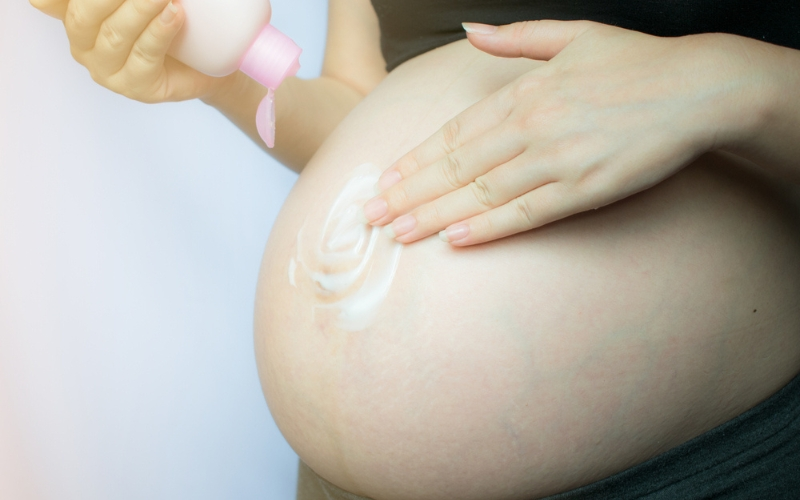
Apply moisturizer:
Applying moisturizer can help dry skin. Shea, coconut butter, and olive and coconut oils are all excellent moisturizers.
Stay Hydrated
Make sure you’re staying hydrated by drinking more water. Remember to drink plenty of water and electrolytes. Your body will benefit from the water you’re giving it if you remember to add some coconut water or water with electrolytes.
Activate a fan or your humidifier. Itchy heat-related rashes and dry skin can be prevented by maintaining a cool, moist environment.
How do the doctors diagnose the condition?
A blood test will be used by your doctor to identify cholestasis. Because cholestasis can be inherited and is more prevalent if your mother or sister also had it during one of their pregnancies, a medical history will often be gathered.
If cholestasis is the source of your itch, many over-the-counter anti-itch treatments won’t work. Still, your doctor may be able to prescribe other medications that can help ease some of the itchiness and lower the level of bile acid in the blood.
Cholestasis can only be treated by giving birth; the itch typically goes away a few days after delivery.
Takeaway:
One may be experiencing a severe itch during pregnancy for various reasons. To find out how to deal with this bothersome issue, it’s necessary to consider any additional symptoms you may be feeling, the time frame during which you’ve been itchy, and even just your regular activities.
It is crucial to speak with your doctor if the itching persists or if any other symptoms arise because itching may be a sign of a more serious problem.