
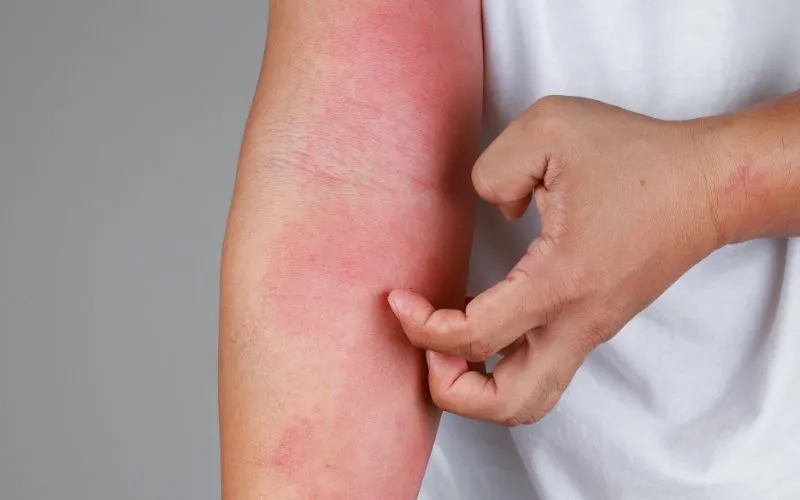
Amoxicillin hives, also known as penicillin allergy or amoxicillin rash, is an allergic reaction that occurs after taking the antibiotic “amoxicillin or penicillin.” In some cases, the reaction is severe enough to require medical attention.
Approximately 1 in 10 people taking amoxicillin will experience hives as a side effect.
Symptoms of amoxicillin hives can range from mild itching and swelling to anaphylactic shock. Individuals must be aware of the signs and symptoms to seek immediate treatment. Amoxicillin hives are usually caused due to an abnormal immune response to the antibiotic, which results in an allergic reaction. Although this type of reaction is rare, it is severe and should not be ignored. The severity of the reaction can vary from person to person. Sometimes, the symptoms may be mild enough that medical treatment is unnecessary; in others, the reaction could become life-threatening.
Treatment for amoxicillin hives typically involves eliminating the source of the allergic reaction (i.e., avoiding Amoxicillin or other penicillin). Depending on the severity of the allergic response, other treatments, such as antihistamines and steroids, may also be prescribed by a physician. However, it is essential to note that there is no cure for allergies, and individuals should always consult with their doctor when considering any form of medication or self-treatment.
Causes of Amoxicillin Hives
Allergic reactions to amoxicillin most commonly cause hives and maculopapular rashes, but doctors aren’t always sure about their etiology. If your child gets a skin rash without hives or other symptoms, it doesn’t necessarily mean they are allergic to Amoxicillin; they may simply be reacting slightly to the medication. It is more common for girls than boys to get a rash from taking Amoxicillin.
In the 1960s, the research found that almost every child who took ampicillin for mononucleosis (or mono) developed a rash. Furthermore, 80-100% of cases experienced this reaction. In contrast, fewer children today receive Amoxicillin for mono as it is an ineffective treatment for this virus. However, research has found that about 30 percent of children with mono who are administered Amoxicillin will still develop a rash.
Signs and Symptoms of Amoxicillin Hives
- The appearance of Pink or red spots
- Small flat spots that don’t itch
- Rashes on chest, stomach, and back
- Rash on the face (rare)
- Swelling on lips and face
Common Side Effects of Amoxicillin
Some commonly known side effects of amoxicillin are as follows:
- Fatigue or weakness
- Difficulty in sleeping
- Yellowing of the eyes and skin
- Seizures
- Headache
- Unusual bleeding and bruising
- Diarrhea or an upset stomach
- Skin blistering and peeling
- Dark urine
- Difficulty passing urine
- Passing less urine than usual
Preventions and Precautions
Following steps can be taken to prevent and manage the early sign and symptoms of amoxicillin hives or rashes.
- It is essential to contact your doctor immediately if your child develops any skin reaction associated with taking Amoxicillin. Then, your healthcare provider can assess the situation and determine an appropriate treatment plan.
- If the rash does not clear within a few days of stopping the medication, it is best to seek medical advice to rule out any other underlying conditions or allergies that may be causing the reaction.
- It’s also wise to have your child tested for allergies before they retake antibiotics in the future. Taking these steps can help ensure your child’s safety and well-being.
- Though allergies most commonly cause hives and maculopapular rashes, your child may have a mild reaction to Amoxicillin without having a true allergy.
Treatment of Amoxicillin Hives

Treatment of Amoxicillin Hives
If your child develops hives, treating the reaction with over-the-counter (Benadryl) is essential after carefully and accurately following the dosage instructions based on age. Do not give your child any other antibiotics until a doctor has seen them.
Stopping the antibiotic can also help, as the rash will disappear after several hours. However, it is strongly recommended that you consult with a medical professional before using any antibiotic to rule out the chances of an allergic reaction.
Rashes can often be extremely confusing and hard to diagnose as there are many possible explanations for why one may appear. Generally, a rash can range from being harmless to something more serious, potentially risking your child’s life. Therefore, it is always wise to seek medical advice if you are ever in doubt.
If a person is allergic to amoxicillin, he will experience the following sign and symptoms:
- Hives
- Itchy Skin
- Swollen lips or face
- Difficulty Breathing
These symptoms indicate a severe condition. In any case, when it comes to medications such as antibiotics, it is always important to be aware of the potential side effects of their usage – especially in children, who are much more vulnerable than adults. Vigilance is key!
Alternatives to Amoxicillin Hives
There are several alternative medications to Amoxicillin for treating hives. These include the following:
- Oral antihistamines such as cetirizine, desloratadine, levocetirizine, loratadine, and fexofenadine.
- Intramuscular corticosteroid injections can also be used in cases of severe reactions or where symptoms persist despite the use of an oral antihistamine.
- Topical treatments, such as ointments containing hydrocortisone or calamine lotion, may also reduce itching and discomfort associated with hives.
- Additionally, ultraviolet light therapy is effective in some cases of chronic hives.
- Immunotherapy (allergy shots) may be recommended if symptoms do not respond to traditional treatment. It is essential to consult a physician before starting any alternative treatment for hives, as some medicines may have serious side effects or interactions with other medications.
Prognosis
The prognosis for Amoxicillin Hives is good, as it is usually a mild, self-limiting condition. In most cases, the hives will resolve on their own after stopping the medication and taking antihistamines to manage the symptoms.
If left untreated, however, it may sometimes last up to six weeks or longer. Therefore, it is essential to seek medical attention promptly if extreme itching and swelling occur, as this may indicate a more serious allergic reaction.
In addition, even if symptoms are mild or resolving, individuals should avoid taking any further doses of Amoxicillin until they have discussed this with their physician. This can help prevent a recurrence of the hives and any other allergic reactions. Individuals who experience Amoxicillin Hives must be aware of their allergy risk and family history.
Individuals with previous reactions to penicillin or other antibiotics should inform their doctor before taking Amoxicillin and discuss alternative treatments if necessary. If severe allergic symptoms are experienced, it is important to seek medical help immediately.
Taking preventive measures such as avoiding certain foods and environmental triggers can also be beneficial for reducing the occurrence of Amoxicillin Hives. While Amoxicillin Hives may cause discomfort, it is generally a mild condition that will resolve with proper management and treatment.