
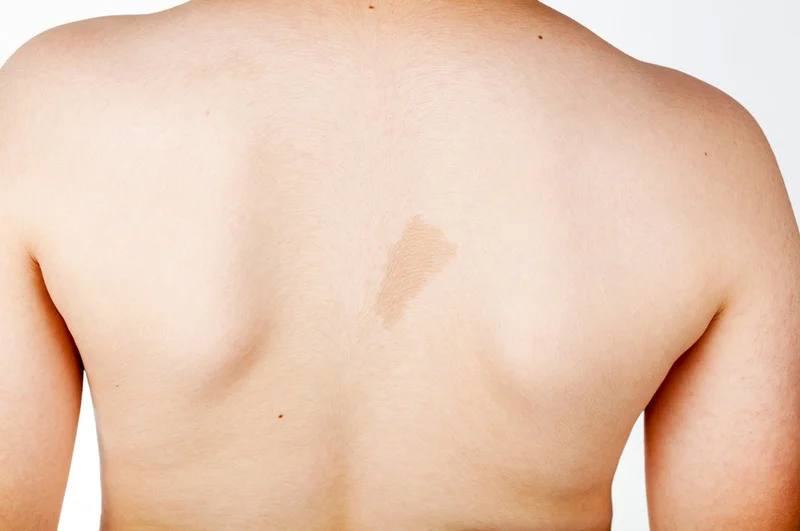
Skin discoloration can occur due to a multitude of reasons ranging from harmless freckles and age spots to more serious conditions like vitiligo or melanoma. Understanding the root causes, identifying the right treatment, and knowing how to prevent further discoloration is pivotal in managing this widespread concern. This detailed guide provides insights into the vast realm of skin discolorations and how to address them effectively.
The Science Behind Skin Color
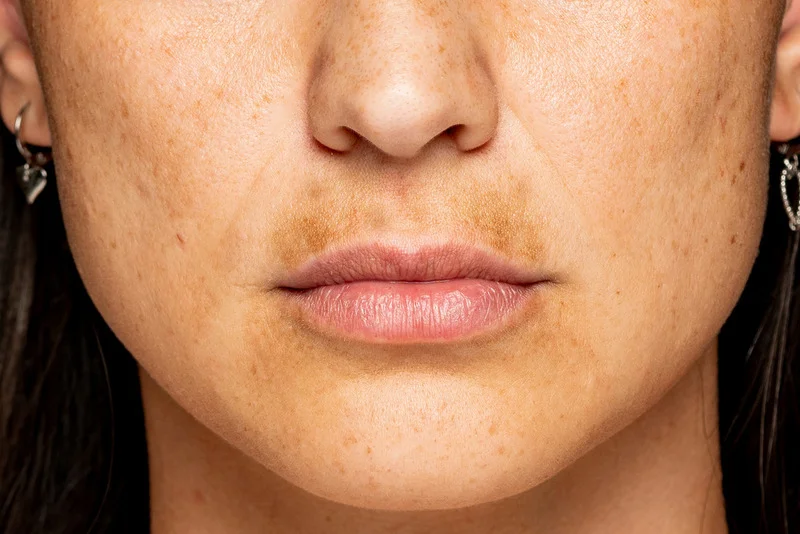
The color of our skin is primarily determined by a pigment called melanin, produced by cells known as melanocytes. The amount, type, and distribution of melanin within the skin determine the individual skin tone. Factors such as sun exposure, hormonal changes, aging, and certain skin conditions can disrupt this melanin production and distribution, leading to skin discoloration.
For a more in-depth understanding of skin pigmentation and its complexities, visit the American Academy of Dermatology Association.
Identifying Different Types of Skin Discoloration
Skin discolorations can manifest in several ways. Understanding the various types can help you seek the appropriate treatment.
- Hyperpigmentation: This occurs when the skin produces more melanin than usual, causing dark patches or spots. Freckles, age spots, melasma, and post-inflammatory hyperpigmentation fall under this category.
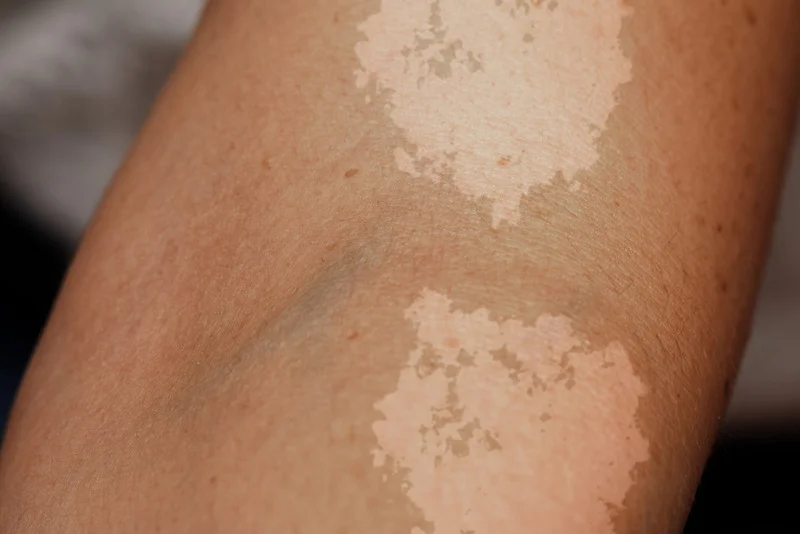
- Hypopigmentation: It refers to the loss of skin color due to a decrease in melanin production. Conditions like vitiligo, albinism, and certain fungal infections can cause hypopigmentation.
- Erythema: This term describes redness on the skin caused by increased blood flow in superficial capillaries. It can occur due to sunburn, rosacea, or inflammatory skin conditions.
- Cyanosis: This is a bluish discoloration of the skin resulting from poor circulation or inadequate oxygenation of the blood.
For further reading on the types of skin discoloration, the Cleveland Clinic provides an extensive overview.
Root Causes of Skin Discoloration
Skin discoloration can be triggered by a variety of factors:
- Sun Exposure: Overexposure to the sun can lead to hyperpigmentation, such as age spots or freckles.
- Hormonal Changes: Conditions like melasma occur due to hormonal fluctuations, often during pregnancy.
- Inflammation: Post-inflammatory hyperpigmentation happens following skin injury or inflammation.
- Skin Conditions: Certain skin diseases, such as vitiligo or rosacea, can cause skin discoloration.
Understanding the cause behind skin discoloration is crucial for effective treatment. Visit this vitiligo signs to learn more about vitiligo, a condition causing hypopigmentation.
Treatment Options for Skin Discoloration
The treatment for skin discoloration largely depends on the underlying cause. It can range from topical creams and oral medications to laser therapy and cosmetic procedures. Some common treatment methods include:
- Topical treatments: These can include over-the-counter or prescription creams, lotions, or gels with active ingredients like hydroquinone, retinoids, vitamin C, or corticosteroids to lighten hyperpigmentation.
- Laser therapy: Certain types of skin discoloration, like melasma or age spots, may respond to laser treatment.
- Chemical peels: These involve applying a chemical solution to remove the outer layer of skin, promoting new skin growth.
- Microdermabrasion or Dermabrasion: These procedures help to reduce the appearance of superficial hyperpigmentation.
For detailed treatment options for various skin discolorations, Healthline provides a comprehensive guide.
Preventive Measures to Reduce Skin Discoloration
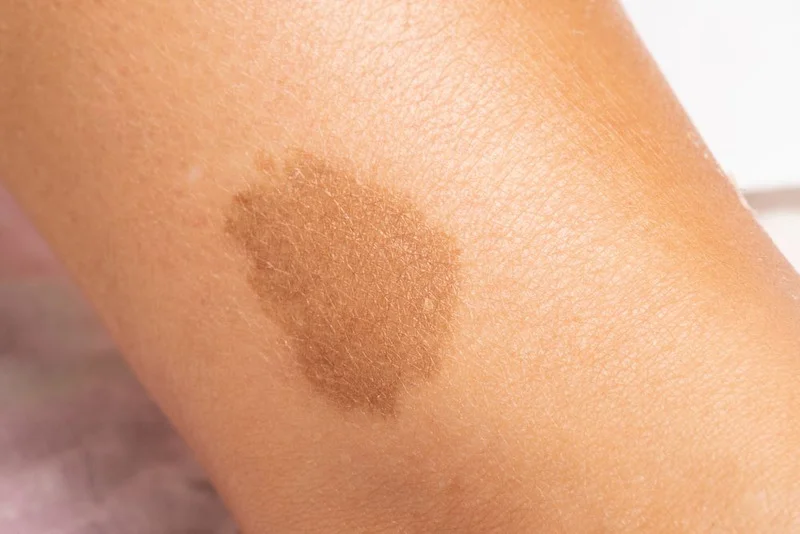
Prevention is always better than cure. Here are some strategies to prevent skin discoloration:
- Sun Protection: Protect your skin from harmful UV rays by using broad-spectrum sunscreen, wearing protective clothing, and avoiding the sun during peak hours.
- Skin Care Routine: Follow a regular skincare routine, including gentle cleansing, moisturizing, and timely exfoliation.
- Healthy Lifestyle: Maintain a healthy diet rich in antioxidants, stay hydrated, and avoid smoking.
- Prompt Treatment: Treat skin inflammations promptly to prevent post-inflammatory hyperpigmentation.
For more tips on preventing skin discoloration, check the American Society for Dermatologic Surgery website.
Frequently Asked Questions
1. Are all skin discolorations a cause for concern?
While many forms of skin discoloration are harmless and cosmetic concerns, some may be a sign of serious skin conditions like skin cancer. Any new, changing, or otherwise concerning skin discoloration should be evaluated by a healthcare provider.
2. Does skin discoloration go away on its own?
This largely depends on the cause. Some types of discoloration, like those from acne or minor injuries, may fade over time. Others, like age spots or melasma, can be persistent and may require treatment to lighten.
3. Can skin discoloration be prevented?
While not all forms of skin discoloration can be prevented, you can reduce your risk by protecting your skin from the sun, maintaining a healthy skincare routine, and treating skin inflammations promptly.
4. Are certain skin types more prone to discoloration?
People with darker skin tones are more prone to hyperpigmentation due to higher melanin levels. However, skin discoloration can occur in any skin type.
5. Is skin discoloration permanent?
While some forms of skin discoloration may be long-lasting, many are treatable. A healthcare provider can discuss potential treatment options based on the specific type of discoloration and its cause.