
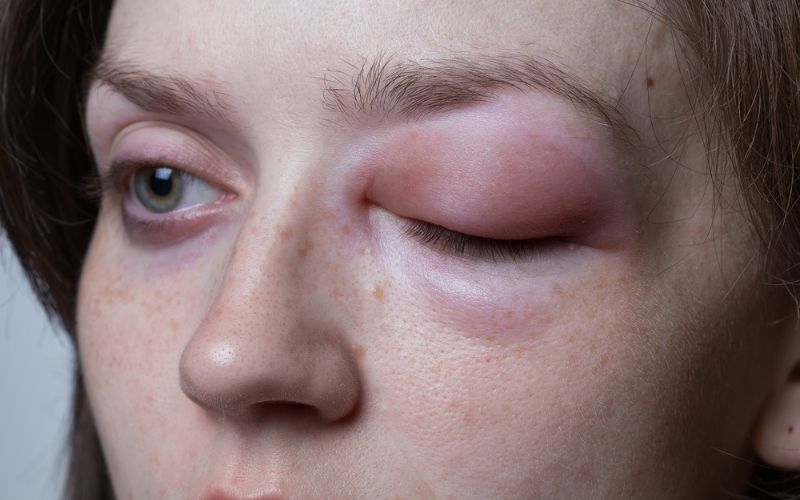
Angioedema is a relatively rare but potentially serious medical condition that involves the sudden swelling of the deeper layers of the skin and mucous membranes. Its rapid onset often characterizes it and can lead to discomfort, pain, and even life-threatening situations in severe cases.
In this article, we will delve into the intricacies of angioedema, exploring its causes, symptoms, diagnosis, and available treatment options.
Understanding Angioedema

Angioedema is swelling beneath the skin’s surface or within the mucous membranes. It can affect various body parts, including the face, lips, tongue, throat, hands, feet, and genitalia. The swelling occurs due to fluid accumulation in the deeper layers of the skin, specifically within the layers of fat and muscle.
Causes of Angioedema

There are several potential causes of angioedema, which can be broadly categorized into allergic and non-allergic triggers.
Allergic Angioedema
An allergic reaction often triggers allergic angioedema. It is commonly associated with releasing histamine and other inflammatory chemicals in response to an allergen. Some common triggers include:
Foods: Certain foods, such as nuts, shellfish, eggs, and dairy products, can trigger allergic reactions that lead to angioedema.
Medications: Some individuals may develop angioedema as a reaction to certain medications, including nonsteroidal anti-inflammatory drugs (NSAIDs), blood pressure medications, and certain antibiotics.
Insect Stings/Bites: Allergic reactions to insect stings or bites, such as those from bees, wasps, or ants, can result in angioedema.
Environmental Allergens: Exposure to pollen, animal dander, dust mites, or mold can trigger angioedema in susceptible individuals.
Non-Allergic Angioedema
Non-allergic angioedema occurs independently of an allergic reaction and can be caused by various factors:
Hereditary Angioedema (HAE): HAE is a rare genetic disorder characterized by recurrent episodes of angioedema. It is caused by gene mutations responsible for regulating a blood protein called a C1 inhibitor.
Acquired Angioedema: This form is usually associated with an underlying medical condition, such as autoimmune or lymphoproliferative disorders. The inappropriate activation of certain enzymes often causes it.
Idiopathic Angioedema: In some cases, the exact cause of angioedema cannot be identified, leading to the term “idiopathic angioedema.”
Symptoms and Clinical Presentation

The hallmark of angioedema is the sudden onset of swelling beneath the skin’s surface. This swelling can vary in size and shape and is typically not itchy or painful. The affected areas often appear pale or red and can feel warm to the touch.
In cases of facial angioedema, the swelling commonly affects the lips, eyes, and cheeks, giving rise to a puffy or distorted appearance. When angioedema affects the throat and tongue, it can lead to difficulty breathing, tightness, and even life-threatening airway obstruction.
Diagnosis
Diagnosing angioedema involves a thorough medical history, physical examination, and possibly further tests to determine the underlying cause. Allergic angioedema can often be linked to a specific allergen exposure, while non-allergic forms may require more extensive investigation.
Medical History: The physician will inquire about the patient’s medical history, including any recent exposure to allergens, medications, or potential triggers.
Physical Examination: A detailed physical examination will assess the extent of swelling, its location, and any associated symptoms.
Allergy Testing: If allergic angioedema is suspected, allergy testing may be recommended to identify specific allergens that could be causing the reaction.
Blood Tests: Blood tests can help identify any underlying genetic factors, abnormalities in blood proteins, or signs of autoimmune disorders that might be contributing to angioedema.
Imaging: In some cases, imaging studies such as ultrasound or MRI may be used to assess the extent of swelling and its impact on deeper tissues.
Treatment Options

The treatment of angioedema depends on its underlying cause, severity, and clinical presentation. Prompt intervention is crucial, especially when swelling affects the throat or may lead to respiratory distress.
Allergic Angioedema
Antihistamines: These medications can help counteract the effects of histamine release, reducing swelling and itching.
Epinephrine: In severe cases, an epinephrine injection may be necessary to reverse the symptoms and prevent airway obstruction rapidly.
Corticosteroids: Steroids can reduce inflammation and suppress the immune response.
Non-Allergic Angioedema
C1 Inhibitor Replacement Therapy: For hereditary angioedema (HAE), replacement therapy with C1 inhibitor concentrates can help prevent and manage attacks.
Medications Targeting Enzymes: In cases of acquired angioedema, medicines that target the enzymes responsible for swelling may be prescribed.
Supportive Care
Airway Management: Maintaining a clear airway is essential in cases of throat or tongue swelling. Intubation or other airway management techniques may be required.
Monitoring: Close monitoring of the patient’s condition is crucial, especially if the swelling affects the airway or is accompanied by other severe symptoms.
Avoiding Triggers: Identifying and avoiding triggers, whether allergens or specific medications, is a key aspect of preventing recurrent episodes of angioedema.
Conclusion
Angioedema, though relatively rare, can have significant implications for affected individuals. Rapid recognition of symptoms, accurate diagnosis, and appropriate management are essential to prevent complications and ensure the well-being of patients.
Whether triggered by allergies or underlying medical conditions, angioedema underscores the importance of understanding the body’s complex immune and inflammatory responses. As research continues to shed light on its causes and mechanisms, advancements in treatment options offer hope for improved quality of life for those with angioedema.