
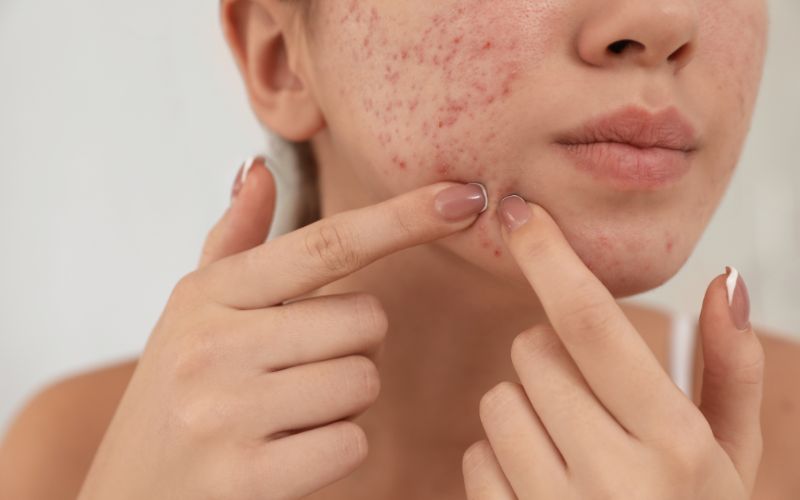
Skin imperfections of any kind are undesirable. They can be emotionally distressing, particularly when it comes to ugly lesions. Any skin mark is referred to as a blemish. It could be a post-acne sign, aging mark, pimple, blackhead, whitehead, or blackhead.
While most blemishes are not problematic, some may indicate an underlying medical condition. Nearly everyone will have a flaw at some point in their life. This post will help handle all spot-related blemish concerns if you have strange blemishes and desire problem-free skin.
While they are most commonly found on the face, they can also be found on the neck, chest, back, or anywhere else on the body. In addition, they can be any size, from small and insignificant to prominent and noticeable.
Many different therapies are available to address blemishes. However, you must first be conscious of your skin.
What Are Blemishes?
A blemish is characterized as any obvious flaw that modifies something’s look. Although the term “blemish” can refer to almost any mark or area, it most frequently refers to acne in the context of skincare.
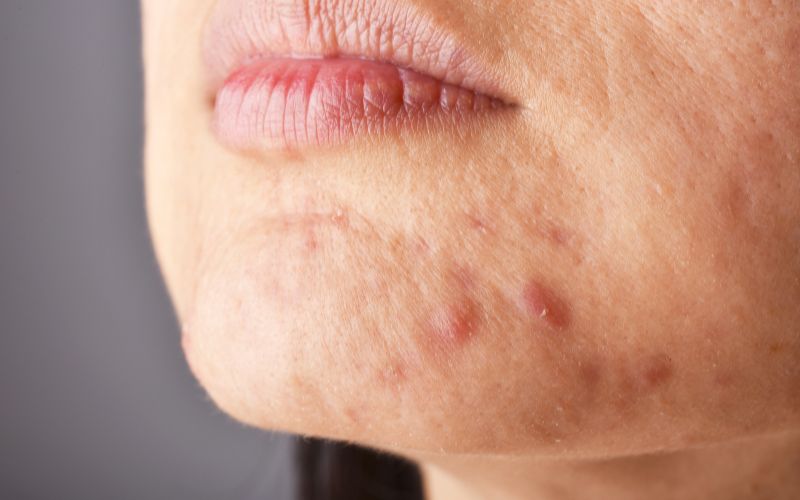
Blemishes come in various forms but usually fall into one of four groups: blackheads, whiteheads, pimples, and cysts. Below is a brief description of each category.
You could think that you need to fix your acne-prone skin. While their appearance may lower your self-esteem, facial blemishes are typically not dangerous or life-threatening. However, in certain instances, they might be symptoms of skin cancer.
They can appear anywhere on the skin but typically on the face, back, chest, upper arms, or any other body portion with open pores or hair follicles. Several people frequently experience face blemishes.
Causes of Blemishes
A wide range of factors can cause human blemishes. The most frequent contributing factors include heredity, hormones, stress, food, and hygiene. Hereditary blemishes are those that are passed down from your parents. You are more likely to develop acne if your parents do. Blemishes may also result from hormones.
Your body makes more hormones during puberty, which can cause pimples. It’s crucial to attempt to unwind and care for oneself during this time because stress can also result in blemishes. Blemishes can be avoided by maintaining a balanced diet and obtaining adequate sleep.
Let’s go over the blemish reasons in more detail:
Infections
A few different kinds of skin diseases can result in skin blemishes. Malassezia folliculitis, or “fungal acne,” is one of these. It affects the hair follicles. Pustules develop due to this disorder, brought on by an overabundance of yeast.
Certain viral illnesses, including chickenpox and cold sores, can cause skin blisters on the body, frequently leaving blemishes behind. Scarring from bacterial illnesses like impetigo may develop and take some time to disappear.
Genetics
Acne might be inherited. Blemishes might also develop due to specific genetic disorders. These comprise:
- Darier disease: Wart-like lesions appear on the skin and are rough to the touch, greasy, and stinky.
- Noncancerous blemishes develop on the lower torso due to the uncommon hereditary disorder known as adult type 3 GM1 gangliosidosis.
- Fabry disease is an inherited condition caused by a gene mutation. An indication might be little clusters of dark, crimson dots.
A person’s genetic inclinations may cause them to scar more quickly than others. One study discovered that individuals with a family history of severe scarring or members of particular ethnic groups have some genetic predispositions to keloids and hypertrophic scars.
Overexposure to the Sun
UV (ultraviolet) A and B rays from the sun can affect the skin by causing hyperpigmentation, skin cancer, and other conditions.
Your skin may get darker if this pigment is produced too much. On the skin, these pigmented cells manifest as discolored blotches when they group to create clumps. Freckles, moles, melasma, and age spots are examples of dispersed melanin clusters.
Clogged pores
Blemishes can be brought on by the sebaceous glands producing too much oil. Hormonal changes, such as puberty, frequently bring on this increased production. Excess oil has the potential to mix with bacteria, dirt, and dead skin cells. As a result, blackheads, whiteheads, pustules, and pimples develop.
Products like moisturizers, sunscreen, or makeup can cause pores to clog. Be on the lookout for non-comedogenic items. These are made to avoid clogging pores.
If hair styling products land on your face, they may block your pores. Pollution, grime, and other environmental contaminants can settle on your skin, mix with oil, and clog pores. By contacting your face with your hands, you might potentially get dirt and germs on your face.
Food You Take
Your skin may be affected by what you consume. Both contact dermatitis and food allergies can irritate the skin and produce pimples. Some people may develop acne from dairy products, even skim milk. Additionally, blemishes could result from diets heavy in sugar and simple carbs.
Your skin, especially certain types of blemishes, might be affected by your dietary choices. It is frequently assumed that excessive consumption of dairy and greasy foods causes or aggravates acne flare-ups.
Consuming dairy products like whole milk and low-fat, skim milk has been associated with a rise in acne outbreaks. Other foods, such as cheese, and yogurt, won’t likely raise your risk of developing acne.
OTC Medications
As a side effect, some prescription and over-the-counter (OTC) drugs can result in acne. These consist of:
- Corticosteroids
- Androgenic steroids
- Lithium
- Antiseizure drugs
Hormonal Changes
One of the most typical facial imperfections is the scars left behind by acne outbreaks. Acne Breakouts are frequently linked to particular hormonal changes, usually unusually high amounts of androgens in the body.
Since females often experience an increase in androgen levels initially during adolescence and then again during their monthly menstrual cycles, they are most affected by hormonal acne.
During pregnancy and menopause, women may have additional hormonal changes that could either alleviate or exacerbate their acne. According to standard reports, using oral contraceptives may change a woman’s hormonal balance in a way that aids acne clearing.
Anxiety
Stress levels that are too high can harm your general health and the health of your skin. People with hectic lives or who tend to take on too much stress are more prone to acne and other dermatological conditions.
Due to specific neurogenic changes in the skin caused by emotional stress, it has been determined that emotional stress is a significant factor in the onset and progression of acne.
Types of Blemishes
Any skin discoloration, lesion, or mark is a blemish. There are various blemish varieties, and each has a unique etiology. Although most blemishes, such as acne scars, are harmless and don’t need to be treated, others could be signs of a more severe condition, such as skin cancer.
Acne Scarring
The overproduction of oil by the skin leads to a skin disorder known as acne. Overproduction of oil can result from a variety of sources, including:
- Enlarged oil glands
- Changes in hormones brought on by puberty, menstruation, or the menopause
- Depression, stress, and anxiety can all have an impact on hormone levels.
Topical treatments, including benzoyl peroxide, may help treat acne scars in people. These solutions can aid in drying out the skin and getting rid of the germs that cause acne.
Certain kinds of acne can be treated by twice-daily face washing with a cleanser containing salicylic acid or benzoyl peroxide. Retinoids, a class of drugs, may also aid in clearing the pores.
Acne treatments may take some time to show results. It could take 6 to 8 weeks for them to start working. A dermatologist might advise a topical or oral prescription treatment for stubborn acne. There may be negative effects from some prescription medications used to treat acne and hyperpigmentation.
Before beginning treatment, patients should address any potential adverse effects with their dermatologist. Some people might also discover that making specific dietary and lifestyle adjustments might regulate their hormones and lower their stress levels.
Acne comes in a variety of forms with various outward manifestations. Several instances include:
Blackheads
Small, dark patches called blackheads appear on the skin’s surface. They look like dirt that has become imprisoned, but they are made of oil lodged inside the pore. This oil turns black when it interacts with the air.
Whiteheads
Whiteheads are tiny, oblong bumps that are either skin-colored or white. They appear as a result of dead skin cells and oil-clogging pores.
Papules
Papules are tiny, firm, red skin lumps. These appear when dead skin cells, germs, and extra oil penetrate deeper into the skin and trigger irritation. When several papules group together, the skin may have a rough, sandpaper-like texture.
Pustules
Raised, crimson patches called pustules are filled with yellow or white pus. They develop when dead skin cells, germs, and oil build up beneath the skin, leading to infection.
Nodules
Nodules are substantial skin lesions that appear when a pore gets blocked. Dead skin cells and germs mingle with oils, becoming entrapped deep within the skin. Internal skin infection and inflammation are caused by excess oil and bacteria. This kind of skin imperfection can result in acne scars.
Acne cysts
Oil and bacteria can flow to the nearby skin if there is a breach in a pore’s lining. A layer that has developed surrounding the affected area is called an acne cyst.
Cysts resemble massive, bloated, red blemishes. They might be excruciatingly uncomfortable to touch. Cysts, like nodules, can result in long-lasting acne scarring. Skin diseases like eczema or rosacea cause red blemishes to form on the skin. Along with pimples and pustules, ingrown hairs, cold sores, allergic responses, and others can also cause red facial blemishes.
Hyperpigmentation
A type of lesion known as hyperpigmentation is darker-looking than the surrounding skin. It is frequent and typically unharmful. As a result of genetic predispositions, UV exposure, or acne scars, hyperpigmentation can happen.
Hyperpigmentation, like freckles, can be inherited as a propensity. Small, flat dots can be black, tan, brown, red, or tan. On the body, they can appear everywhere.
Another form of hyperpigmentation is sunspots, also known as “age spots.” These little spots or patches might appear on parts of the skin that are exposed to the sun. Once the acne has cleared up, black spots may still be present on the skin due to scarring.
Brown spots are typically the consequence of hyperpigmentation, which raises the amount of melanin and dark pigment in the skin. Age spots and melasma are the two most prevalent kinds of brown imperfections.
Melasma
A specific type of hyperpigmentation known as melasma can appear during pregnancy or after taking birth control pills. The resulting hormonal changes cause a rise in melanin. The pigment that gives skin its color is called melanin. Skin darkening due to melanin overproduction is possible.
Ingrown Hair
Sometimes hairs can grow sideways into the skin or curl back on themselves, which can cause red, itchy pimples to appear. These skin imperfections are known as ingrown hairs by doctors. Various hair removal methods can produce ingrown hairs, including waxing, shaving, and plucking.
Birthmarks
Birthmarks are imperfections that develop on a newborn baby’s skin. They may show up right after birth or at the time of delivery. While some birthmarks fade with time, others might be lifelong.
Birthmark formation is still a mystery to experts. Nevertheless, these skin blemishes might occasionally appear as a result of the following:
- Inadequate formation of blood vessels
- Moles or patches of darker skin appear
- Excessive growth of skin results in raised regions of thickening skin.
The appearance of a birthmark will be distinct from the surrounding skin. These skin blemishes come in all shapes and sizes and can have a wide range of appearances. They could be:
- Flat or elevated
- Like a bruising or smear
- Any shade, even tan, brown, red, or pink
Although most birthmarks are benign, some spots on a baby’s skin may indicate an underlying disease. To be safe, it is essential to have a dermatologist examine any birthmarks.
Some benign birthmarks might enlarge quickly, which is concerning. People might better understand what to anticipate regarding birthmark growth by speaking with a dermatologist.
Cold Sores
The lips or the area around the mouth might develop painful, crimson, fluid-filled blisters known as cold sores. They develop as a result of herpes simplex virus infection. Since cold sores are very contagious, people should refrain from physical contact with others until the sores have been cured.
Skin Cancer
Certain blemish forms may indicate skin cancer. Knowing the warning symptoms of skin cancer can help people detect it early.
Skin cancer warning signals can include:
- A newly developed, fast-expanding mole or mark
- An itchy or bleeding mole or mark
- A mole that is more than 6 millimeters in diameter
- The flaw that alters in size, color, or shape
- A mole that is unevenly shaped or asymmetrical
If someone notices a new or odd skin blemish with any of the traits above, they should consult a physician.
Treatment of Blemishes
Many skin blemishes do not need to be treated. However, some people may still choose to do so for cosmetic reasons. The available treatments will depend on the type of skin imperfection.
Acne Scarring Treatment
Topical treatments, including benzoyl peroxide, may help treat acne scars in people. These solutions can aid in drying out the skin and getting rid of the germs that cause acne.
Certain kinds of acne can be treated by twice-daily face washing with a cleanser containing salicylic acid or benzoyl peroxide. Retinoids, a class of drugs, may also aid in clearing the pores.
Acne treatments may take some time to show results. It could take 6 to 8 weeks for them to start working. A dermatologist might advise a topical or oral prescription treatment for stubborn acne. There may be negative effects from some prescription medications used to treat acne and hyperpigmentation.
Before beginning treatment, patients should address any potential adverse effects with their dermatologist. Some people might also discover that making specific dietary and lifestyle adjustments might regulate their hormones and lower their stress levels.
Tretament for Hyperpigmentation and Melasma
The following therapies could lessen melasma and hyperpigmentation:
- Prescription medication that contains the skin-lightening ingredient hydroquinone. Only with a doctor’s prescription is hydroquinone accessible. Before 2021, it had been available over the counter, but a decision by the FDA caused the situation to change.
- Cortisone or tretinoin cream on prescription
- Laser therapy
Melasma can sometimes go away when a woman gives birth or stops using hormonal contraception.
Treatment for Ingrown hair
Here are some recommendations for avoiding ingrown hairs:
- Using simply the direction that hair grows when shaving
- Shaving with a gel
- Using only fresh, cutting-edge razors
An exfoliating scrub might aid in releasing tangled hairs from beneath the skin to treat ingrown hairs already present.
Treatment for Birthmarks
The following options may be taken into consideration if someone wants to treat a birthmark:
- Laser treatment
- Medications that can reduce certain birthmarks, such as corticosteroids, timolol, and propranolol
- Surgery to remove a potentially dangerous blemish
- Additionally, people can conceal any skin imperfections or discolorations with makeup.
Treatment for Cold Sore
In general, cold sores heal on their own in two weeks. However, a dermatologist may also recommend an oral or topical antiviral medication to treat cold sores.
Skin Cancer Treatment
If therapy is started when skin cancer is still in its early stages, it is very treatable. The type of skin cancer a person has will determine the course of treatment. The following are a few potential therapies:
- Removal of malignant cells through surgery
- Topical cancer-cell-killing drug
- Radiation treatment
Treatment of Blemishes on the Face
Preventing facial blemishes is the most excellent way to get rid of them. Here are some valuable hints and precautions for avoiding facial scars:
- Good cleanliness is the first step in preventing blemishes. For example, make sure to completely wipe your face before going to bed. To avoid bacterial infections, replace your pillows and linens every week.
- To prevent sunspots, you must protect your skin from the sun. Use broad-spectrum sunscreen to shield your skin from UVA and UVB rays. It covers your skin from the sun’s damaging rays while preventing dark spots, minimizing uneven pigmentation, and balancing your skin tone.
- You can maintain clear, healthy skin if you consume a diet high in vitamins C and E. Avoid dairy products as well since they can make acne worse.
- Follow the skin care regimen suggested by your dermatologist or based on your skin type. Furthermore, stay away from comedogenic skincare and makeup products that clog pores.
- Your skin will be thoroughly hydrated and rid of toxins if you drink about 3 liters of water daily, which will help you avoid skin blemishes.
- By routinely exfoliating the skin, you can keep pores clear. Anti-bacterial face scrubs are the finest for clearing up blemishes on the skin. In addition, anti-bacterial face scrubs can assist clear your face of pore-clogging debris, oil, and makeup by containing thyme, zinc, and witch hazel.
Final Thoughts
Blemishes can indicate a severe condition that necessitates a trip to the doctor. Additionally, blemishes can cause emotional distress, especially if they develop into a chronic problem.
Any mole that alters in size or color starts bleeding, or has wavy edges should be examined by a doctor. These could indicate skin cancer. In cases when blemishes are brought on by viruses, such as chickenpox or cold sores, a doctor’s advice or medicine administration might hasten the healing process.
Painful indications of a skin infection include papules, nodules, and pustules. In addition to other drugs, such as topical retinoids, your doctor may prescribe oral or topical antibiotics.
Your doctor might be able to clean the spot, releasing the hair and getting rid of the blemish if you have ingrown hairs causing defects and don’t respond to home treatment.