

Do you feel a constant itch that nothing seems to calm? Or perhaps, an unusual coloration in your eyes and skin? What about fatigues that make you feel sunk into an abyss of exhaustion? If these symptoms sound familiar, it could be more than just a daily nuisance; they could very well be the harbingers of Cholestasis Liver Disease. This disease, notorious for affecting bile flow, can come like a thief in the night – unnoticed and devastatingly impactful. Diving deep into the world of this liver disease can lead us to better understand its mysterious ways while also shedding light on effective treatment options available today. Prepare yourself for an enlightening journey through the labyrinthine fields of cholestasis liver disease. Buckle up!
Cholestasis liver disease is characterized by the slowing or stalling of bile flow from the liver. This can cause inflammation in the liver, gallbladder, pancreas or bile ducts leading to pain and nausea. Symptoms also include jaundice, light-colored poop, and skin itching (pruritus). Some of the causes of cholestasis include chronic liver diseases, acute hepatitis, pregnancy, medication, biliary stricture, bile duct obstructions, and duct tumors. Treatment options depend on its underlying causes and may include medications, lifestyle changes, and sometimes surgery. If you suspect you have cholestatic liver disease or any other health concerns related to your liver function, please consult with your doctor who can provide a diagnosis and offer appropriate treatments.
Understanding Cholestasis: Definition and Symptoms

Cholestasis is a type of liver condition that occurs when bile flow becomes sluggish or blocked from the liver. Bile is an important substance which helps in digestion, absorbing fats, and also enables the body to eliminate waste products. When the bile ducts are unable to release bile into the intestine, the substance accumulates within the liver cells leading to several symptoms.
One of the most common symptoms of cholestasis is pruritus – an irritating itching sensation that can be experienced all over the body. This itchiness can make it impossible for a person to have a good night’s sleep due to intense scratching bouts. Someone who has jaundice will exhibit yellow discoloration in their eyes and skin due to a buildup of bilirubin – a compound that forms after red blood cells break down. Additionally, people who are affected by cholestasis liver disease may experience fatigue, pain in the upper right abdomen, dark urine, light-colored stools, and reduced appetite.
One woman in her mid-twenties suffered from cholestasis during her first trimester while pregnant with her baby. She recalls feeling extremely itchy all over her body which was so severe that it kept her up all night long. Pruritus became increasingly worse as pregnancy progressed as she would scratch so badly that she would often inflict wounds on herself which ultimately caused scars. Her family physician diagnosed her with cholestasis and prescribed antihistamines to alleviate her itching sensations; however, these medications only worked temporarily and could not fix her underlying issue.
Early-onset pruritus is sometimes an early symptom of cholestasis and should never be ignored or attributed to mosquito bites or dry skin. Other signs such as light-colored stools or darker urine could also indicate underlying problems within the biliary system.
While itching is one of the most common symptoms associated with cholestasis, it’s not always present in all cases. For instance, some people experience jaundice as their primary symptom, while others may feel intense fatigue.
Think of cholestasis like a traffic jam on a highway where the vehicles are flowing freely until they encounter an obstruction. Similarly, when bile flow becomes stagnant, buildup occurs and the necessary substances do not reach their destination leading to an increase in symptoms.
Now that we know more about the definition and symptoms of cholestasis liver disease, let us move on to diagnosing this condition.
Diagnosing Cholestasis
Because cholestasis can mimic other symptoms that appear in conditions such as hepatitis or gallstones, various medical tests are generally needed to diagnose this liver disorder. Complete blood count tests known as CBCs are conducted, which determine if there are any discrepancies within red or white blood cell count. Additionally, blood work can be assessed for total bilirubin levels.
In most cases, liver function test results will be abnormal during the diagnosis stage for individuals with cholestasis due to damaged liver cells that aren’t working properly. Doctors may also conduct imaging studies such as ultrasounds or magnetic resonance imaging (MRI) to determine if there are any blockages or damage within the biliary system.
Moreover, a liver biopsy may be conducted by a specialist to test for any inflammation or damage done to the liver tissue because of excessive accumulation of bile. This procedure involves inserting a thin needle into your liver to remove a small sample of tissue for analysis.
One man in his late thirties suffered from extreme abdominal pain and fatigue after exercising intensely for consecutive days at the gym . Subsequent bloodwork showed an elevated bilirubin level outside normal ranges – this strongly suggested some sort of liver dysfunction was causing his problem. Diagnostic tests revealed a diagnosis of cholestasis in the man’s liver, and he was prescribed medication to assist in reducing bile buildup while he recovered.
Early diagnosis is crucial as it allows for planning out appropriate treatment and to help limit permanent damage that may be incurred during the process.
Some cases of cholestasis are mild and may not require extensive diagnoses, whilst other cases can develop into serious life-threatening issues.
Diagnosis via ultrasound can be likened to using sonar to locate objects under the water surface where various visuals can be seen in real-time without needing invasive procedures.
Now that we have understood how one can detect cholestasis liver disease let us look at the significance of early detection.
Importance of Early Detection
Early detection is crucial in managing cholestasis liver disease. Often, people ignore the early symptoms and only seek medical attention when it’s too late. This delay can lead to a worsened prognosis and increase the risk of life-threatening complications. Some people may mistake symptoms such as pruritus or fatigue for signs of something less severe and not seek medical intervention until permanent damage has already occurred.
It’s essential to remember that cholestasis is a progressive disease that can worsen rapidly if not addressed promptly. Identifying the disease early on can help improve patient outcomes by reducing the risks of secondary infections such as sepsis or organ failure, which are common in advanced liver diseases.
For instance, consider a scenario wherein someone experiences jaundice, fatigue, and extreme itchiness but ignores these symptoms over time. If left untreated, these symptoms could progress to severe levels, causing acute liver failure or even death.
Therefore, it’s vital to recognize the signs and symptoms early on and seek medical intervention to mitigate any potential damage.
- According to the American Liver Foundation, in the United States, approximately 1 in every 2,500 individuals suffer from a form of cholestasis.
- A 2020 study published in Nature Reviews Gastroenterology & Hepatology indicates that about 25% of women with intrahepatic cholestasis of pregnancy are likely to develop chronic cholestatic diseases later in life.
- An estimated 15-20% of all cases of end-stage liver disease requiring transplant in children are due to progressive familial intrahepatic cholestasis (PFIC), a severe form of hereditary cholestasis as per the U.S National Library of Medicine.
- Early detection is crucial in managing cholestasis liver disease to reduce the risk of life-threatening complications. It’s important not to ignore early symptoms such as pruritus or fatigue as they can progress rapidly if left untreated. Identifying the disease early on can help improve patient outcomes by reducing the risks of secondary infections such as sepsis or organ failure, which are common in advanced liver diseases. Therefore, it’s vital to recognize the signs and symptoms early on and seek medical intervention to mitigate any potential damage.
Causes Behind Cholestasis Liver Disease

Cholestasis is caused by various factors that range from genetic conditions to lifestyle factors. Although it’s commonly associated with issues related to bile flow or damage to bile ducts due to inflammation or obstruction, many other underlying causes can produce cholestatic symptoms.
In some cases, genetics play a role in the development of cholestasis liver disease. Progressive familial intrahepatic cholestasis (PFIC) is a rare genetic disorder that causes severe cholestasis by disrupting bile flow status. Patients with this condition are more prone to developing serious liver complications such as cirrhosis or liver cancer.
Similarly, prolonged medication usage can induce hepatic injury leading to cholestasis. Medications such as antibiotics (tetracycline), antiepileptics (phenytoin), nonsteroidal anti-inflammatory drugs (NSAIDs), or cholesterol-lowering agents (statins) may cause drug-induced cholestasis, leading to severe liver damage.
In other cases, chronic liver diseases such as hepatitis can cause damage to the liver cells and lead to cholestasis. Think of your liver as the engine of your car. If it’s not maintained correctly, it could lead to other problems within the system, eventually causing severe complications. Similarly, chronic infections in the liver such as hepatitis B or C can disrupt bile flow status leading to inflammation and scarring.
Additionally, pregnant women might develop obstetric cholestasis due to hormonal changes that affect normal bile secretion. This condition leads to urinary bile acid levels increase resulting in pruritus and jaundice in the later trimester of pregnancy.
Finally, while alcohol isn’t necessarily a direct causative factor for the development of cholestasis liver disease, excessive consumption over prolonged periods can contribute to alcoholic fatty liver disease. Which if progressed will eventually lead to cholestasis symptoms.
Therefore it’s essential to identify all underlying causes to tailor treatment approaches that will address individual factors contributing to the development of cholestasis.
Treatment Options: Medications and Surgical Interventions
Cholestasis liver disease can be treated with medications, lifestyle changes, and surgery. The treatment option selected depends on the underlying cause of the disease. In cases where the cholestasis is caused by medication, the doctor may discontinue or change the dosage of the medication causing it. If an obstruction in the bile ducts is causing cholestasis, a surgical procedure may be performed to remove the obstruction and allow for normal flow of bile.
One medication commonly prescribed for cholestasis is ursodeoxycholic acid (UDCA), which helps to regulate bile production and protect liver cells. UDCA has been shown to improve symptoms and prevent further damage to the liver in patients with primary biliary cholangitis (PBC) and other forms of cholestasis. However, this medication does not work for all types of cholestasis.
In severe cases of cholestasis, a liver transplant may be necessary for effective treatment. Liver transplantation replaces a damaged liver with a healthy one from a donor. Transplantation is often used as a last resort when other treatment options have failed.
The choice of treatment option should take into consideration several factors such as age, overall health status, and severity of symptoms. For instance, surgery may not be an advisable option for elderly individuals or those with chronic illnesses because it comes with added risks.
Another important factor to consider when choosing treatment options is their potential side effects versus benefits. Some medications used to treat cholestasis have undesirable side effects such as diarrhea, nausea or abdominal pain, but if they prove effective for treating the disease, then it could still be worth using them.
Herbal and Natural Remedies
While medications and surgeries are common treatments for cholestasis liver disease, some individuals may prefer exploring alternative herbal remedies or natural therapies. It’s worth noting that there is limited research on the safety and effectiveness of these remedies.
One herbal remedy commonly used for cholestasis is milk thistle. Milk thistle contains a compound called silymarin that has been shown to have antioxidant properties and help protect liver cells from damage. While limited studies indicate milk thistle may be effective in treating some liver conditions, including cholestasis, more research is needed to back up these claims.
Another natural therapy that has garnered support from cholestasis patients is acupuncture. Some individuals claim that acupuncture relieves their symptoms, particularly itching associated with cholestasis. However, there have been mixed results in studies investigating the effects of acupuncture on cholestasis.
It’s important to note that while it’s understandable to seek alternative remedies when conventional treatments may not work or cause unwanted side effects, individuals should always talk to their healthcare providers before trying any herbal remedies or natural therapies. Some herbal supplements can interact with prescription medications or worsen symptoms of pre-existing health conditions.
While herbs and natural remedies may seem an appealing option for treating cholestasis liver disease given their supposed lack of side effects, they can still come with adverse reactions or unintended consequences such as allergic reactions, digestive issues, liver toxicity, and other long-term problems if not taken according to prescribed guidelines.
On the other hand, proponents argue that medicinal herbs offer numerous benefits such as being cost-effective, easily accessible, and having less severe side effects compared to prescription drugs. Some even argue that taking herbs or natural remedies alongside conventional medicine could be a complementary approach capable of delivering optimal outcomes.
Whether opting for conventional medical treatment options or alternative remedies like herbs or acupuncture therapy, individuals should always consult their physicians prior to making any major decisions regarding the treatment of cholestasis liver disease.
Lifestyle Changes for Cholestasis Management and Prevention
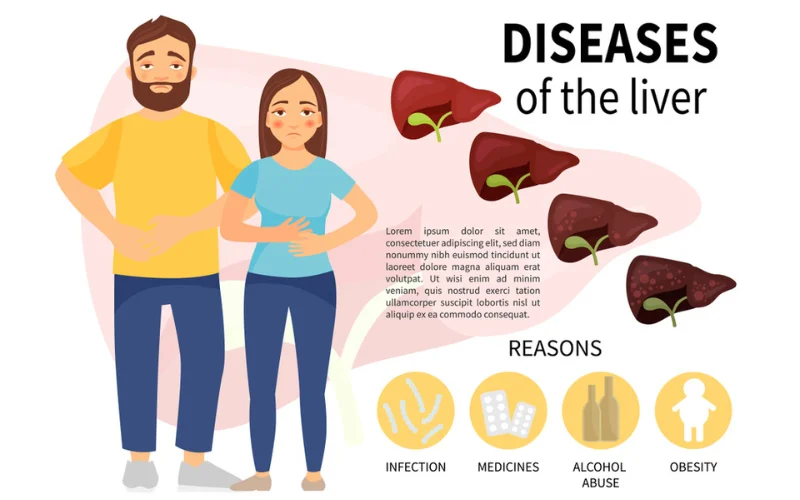
In addition to medications and surgical interventions, lifestyle changes are also important for managing and preventing cholestasis liver disease. These changes aim to reduce inflammation in the liver, promote healthy bile flow, and prevent complications.
One important lifestyle change is maintaining a healthy weight. Excess body weight can increase inflammation levels in the liver and lead to fatty liver disease, which can worsen symptoms of cholestasis. Eating a balanced diet of whole foods and engaging in regular physical activity can help with weight management and reduce inflammation.
Additionally, reducing alcohol consumption can also improve liver health. Alcohol consumption can increase inflammation in the liver and contribute to fatty liver disease, making it harder for the liver to function properly. Avoiding alcohol or drinking in moderation can help protect the liver from further damage.
While many people turn to supplements or herbal remedies for liver health, it’s important to note that these may not always be safe or effective. Some supplements may even contain harmful ingredients that can further damage the liver. Instead, focus on incorporating nutrient-rich foods into your diet that support liver health, such as leafy greens, cruciferous vegetables, berries, and citrus fruits.
Think of your liver like a filter that needs to be cleaned regularly. Just like changing the air filters in your home, taking care of your liver requires regularly giving it what it needs to function properly. Incorporating healthy habits into your daily routine works like cleaning out the filter – it helps keep everything running smoothly.
Another lifestyle change to consider is reducing exposure to environmental contaminants. Certain chemicals found in cleaning products or personal care items can be toxic to the liver. Switching to natural alternatives or reducing exposure where possible can reduce the burden on your liver.
Ultimately, making healthy lifestyle changes can go a long way in managing and preventing cholestasis liver disease. By maintaining a healthy weight, reducing alcohol consumption, incorporating nutrient-rich foods, and reducing exposure to environmental toxins, you can support the health of your liver and prevent complications. It’s important to speak with your healthcare provider about which lifestyle changes will work best for you and your specific situation.
Answers to Commonly Asked Questions
What are the typical symptoms and complications of cholestasis liver disease?
Cholestasis liver disease is a condition that can cause serious complications if left untreated. Some of the most typical symptoms include abdominal pain, fatigue, itching, jaundice, and pale stools. Complications can also arise in the form of gallstones, malabsorption of fats and fat-soluble vitamins, and scarring of the liver (cirrhosis).
According to recent studies published by the American Liver Foundation, cholestasis can affect up to 1 in 1,000 pregnancies in the United States alone. Additionally, research suggests that individuals with a family history of cholestasis or other liver diseases may be at a higher risk for developing this condition.
It’s important to seek medical attention if you experience any of these symptoms or suspect that you may have cholestasis. Early diagnosis and treatment can greatly improve outcomes and prevent potentially life-threatening complications from occurring.
Can cholestasis liver disease be prevented or managed through lifestyle changes?
Yes, cholestasis liver disease can be prevented or managed through various lifestyle changes. Maintaining a healthy weight, following a balanced diet low in saturated fats and processed foods, avoiding excessive alcohol consumption, staying physically active, and quitting smoking are some of the essential lifestyle modifications that have been shown to effectively reduce the risk of developing or aggravating cholestasis liver disease.
Studies have demonstrated that maintaining a healthy body mass index (BMI) can significantly lower the likelihood of non-alcoholic fatty liver disease (NAFLD), which is one of the common risk factors for cholestasis liver disease. Additionally, individuals who engage in regular physical activity and consume a diet rich in antioxidants such as fruits, vegetables, and whole grains have reported improved liver function and reduced inflammation markers.
While lifestyle modifications may not completely prevent or cure the disease, they can certainly help reduce the severity of symptoms and improve overall well-being. Therefore, it is highly recommended that individuals with cholestasis liver disease incorporate healthy habits into their daily routine to minimize further complications and improve their quality of life.
What are the causes and risk factors of cholestasis liver disease?
Cholestasis liver disease is a condition where the flow of bile from the liver slows or stops. It can be caused by various factors and risk factors depending on the type of cholestasis.
The most common cause of cholestasis is pregnancy, also known as obstetric cholestasis, affecting up to 1% of pregnant women worldwide. Another form is primary biliary cholangitis, which is an autoimmune disorder that affects primarily women over 40 years old and has a prevalence rate of approximately 40-50 cases per million people. Secondary biliary cirrhosis, another form of cholestasis, occurs when there is an obstruction in the bile ducts due to a variety of reasons such as tumors, gallstones or injuries.
Risk factors for developing cholestasis include genetics, age, sex, alcohol and drug use. Certain individuals with a family history of cholestatic liver disease are more prone to develop the condition compared to others. In addition to this, women are prone to experiencing pregnancy-related cholestasis compared to men due to hormonal changes experienced during pregnancy. Alcohol usage has been shown to increase the risk for developing secondary biliary cirrhosis while certain drugs can cause drug-induced mixed hepatocellular-cholestatic injury.
If you experience any symptoms or think you may be at risk for cholestasis liver disease, it’s important to speak with your doctor. They can perform tests and provide treatment options based on your specific situation.
References:
1. Geenes V et al. Obstetric cholestasis and hepatic transporters: An updated review. Journal of Hepatology. 2014;61(6):1393-1405
2. Lazaridis KN et al. Primary Biliary Cholangitis. The New England Journal of Medicine. 2020; 382:1449-1459
3. Ford JA et al. A systematic review of diagnostic tests for maternal and fetal sequelae of intrahepatic cholestasis of pregnancy. BJOG: An International Journal of Obstetrics and Gynaecology.2012;119(7):817-826
4. Bonkovsky HL et al. Drug-induced acute liver failure: results of a U.S. multicenter, prospective study. Hepatology. 2016;63(2):586-597
What is the long-term outlook for someone with cholestasis liver disease?
The long-term outlook for someone with cholestasis liver disease varies depending on the severity and underlying cause of the condition. In general, however, early diagnosis and management can greatly improve a patient’s prognosis.
According to a study published in the Journal of Hepatology, patients with primary biliary cholangitis (PBC), a common type of cholestasis liver disease, who receive early treatment with ursodeoxycholic acid (UDCA) have a significantly higher life expectancy than those who receive delayed or no treatment. The study found that after ten years, 86% of patients who received early treatment were still alive compared to 80% of those who received delayed treatment and only 68% of those who did not receive treatment.
Another potential complication of cholestasis liver disease is liver cirrhosis, which can lead to liver failure and the need for a liver transplant. However, a retrospective study published in Liver Transplantation found that PBC patients who undergo UDCA therapy have a significantly lower risk of developing end-stage liver disease or requiring a transplant.
Overall, while the long-term outlook for someone with cholestasis liver disease may seem daunting, early diagnosis and appropriate treatment can greatly improve their chances of living a healthy life. Patients should work closely with their healthcare provider to develop an individualized treatment plan based on their specific needs and medical history.
How is cholestasis liver disease diagnosed and treated?
Cholestasis liver disease is diagnosed through a combination of blood tests, imaging studies, and liver biopsy. Blood tests can identify elevated levels of liver enzymes and bile acids in the bloodstream, while imaging studies such as MRIs or ultrasounds can detect any abnormalities in the liver or bile ducts. A liver biopsy may also be performed to examine tissue samples for signs of inflammation or scarring.
When it comes to treatment options, the goal is to alleviate symptoms and prevent complications. Intrahepatic cholestasis of pregnancy (ICP), a specific form of cholestasis, requires close monitoring during pregnancy and often necessitates delivery before full term to avoid fetal distress. For non-pregnancy related cholestasis cases, medications such as Ursodeoxycholic acid can help reduce symptoms.
It’s important to note that if left untreated, cholestasis liver disease can lead to serious complications such as cirrhosis and liver failure. Therefore, it’s crucial to receive a proper diagnosis and seek prompt treatment.
According to the American Liver Foundation, cholestasis affects approximately 50 percent of all pregnant women and results in premature delivery in up to 15 percent of cases. For individuals with chronic cholestatic disorders, the long-term risk of developing cirrhosis has been reported as 20-50% over a 10-year period.
References:
– “Cholestasis.” American Liver Foundation, https://liverfoundation.org/for-patients/about-the-liver/diseases-of-the-liver/cholestasis/
– Geenes V & Williamson C. Intrahepatic cholestasis of pregnancy. World Journal of Gastroenterology. May 2014; 20(23):7100-7116.
– Dyson JK et al. The British Society of Gastroenterology/UK-PBC primary biliary cholangitis treatment and management guidelines. Gut. March 2018;67(9):1568-1594.