
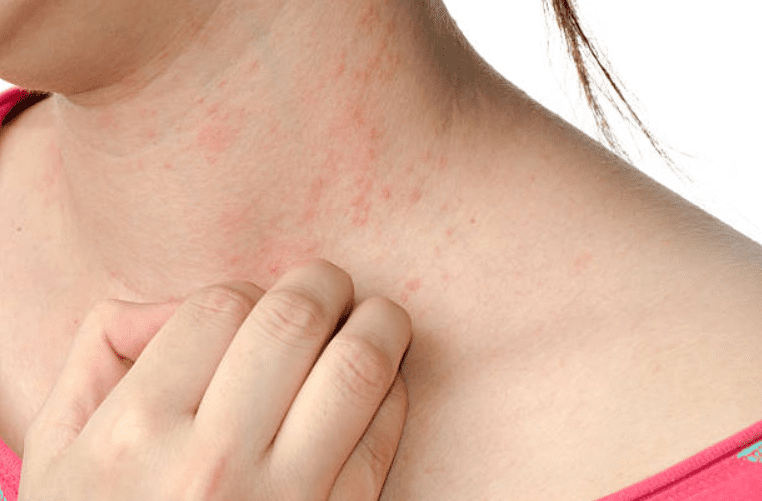
Different infections can cause Hives. The infections like strep throat, mononucleosis, and hepatitis can cause hives. Hives can also be caused by physical stimuli like exposure to heat, cold, or sunlight. The most common cause of hives is an allergic reaction to a substance that is classified as Allergen.
What are Hives?
Hives which are medically termed Urticaria, are skin reactions that can be caused by allergies, infections, or physical stimuli. When someone with contact with urticaria is faced with an allergen, their skin reddens approximately 10-60 minutes after the attack. The symptom lasts up to 24 hours.
In someone with food allergies, skin rashes often appear within one hour. Skin rashes due to exposure to food colorings or other chemicals often appear 1 day after exposure. A reaction to a drug may show up immediately or much later, even years after taking it at the onset of the reaction.
Different Kinds Of Infections That May Cause Hives:
Hives can be caused by a number of different things. The most common cause is an allergic reaction to something, such as food or medication. Sometimes, hives can be the result of an infection, such as a viral infection or bacteria. In rare cases, hives may be caused by a natural substance.
If you have hives, it is important to see a doctor who can find out the cause. If they are caused by an allergy, you will need to avoid the allergen that is causing the reaction. If they are caused by an infection, you may need antibiotics to clear up the infection.
In this blog, we are going to discuss how different infections can cause hives. These infections are classified into three groups; Viruses, Bacteria, and Physical Effects of the environment.
Viral Infections That May Cause Hives:

While most viral infections cause little more than a runny nose or a cough, sometimes the body’s response to the infection can cause hives. Histamines are chemical messengers that are released by the body in response to an infection or injury.
They cause the blood vessels to dilate and increase blood flow to the area of the infection or injury. This increased blood flow brings more white blood cells and antibodies to the area, which helps fight off the infection. In some people, histamines can cause hives. Hives are raised, and red welts appear on the skin.
They can be itchy and uncomfortable, but they usually go away within a few days. If you have a viral infection and develop hives, talk to your doctor about treatment options.
Here are some viral infections which cause hives:
-
Norovirus:
The norovirus is an intestinal and stomach virus that usually spreads through direct or indirect contact with an infected individual. It will quickly spread through crowded spaces such as hospitals and schools.
This virus is a highly contagious virus that can cause vomiting and diarrhea. It’s often called the “stomach flu”, although it’s not related to influenza.
It can cause hives in some people. Hives are raised, red, itchy bumps on your skin. They can be uncomfortable, but they’re usually not serious. If you have norovirus and hives, you’re likely to have other symptoms as well, such as nausea, vomiting, and diarrhea.
The hives may last for a few days after your other symptoms go away. You know it’s hives when you press on a particularly itchy bump and the area surrounding it becomes white. Unfortunately, there’s no specific treatment for norovirus-related hives.
-
Hepatitis:
Hepatitis is a virus that attacks the liver and can cause serious damage. The virus is spread through contact with infected blood or body fluids and can be contracted through sexual contact, sharing needles, or coming into contact with contaminated food or water. There are several different types of hepatitis, but the most common types are Hepatitis A, B, and C.
We can say that Hepatitis A and B are the most likely to cause hives. The virus causes an inflammation of the liver that can lead to a build-up of toxins in the blood. These toxins can then trigger an allergic reaction that causes hives to break out on the skin. Hepatitis C does not usually cause hives, but can sometimes lead to other skin conditions such as eczema or psoriasis.
-
Common Cold
The Common Flu is a virus that can cause hives. Hives are a type of rash that can be itchy and uncomfortable. There are several types of Common Flu, and each can cause hives in different ways. The most common type of Common Flu is Influenza.
The other types of Common Flu, such as the Influenza B virus, can also cause hives, but this is less common. If you have hives, it is important to see a doctor to determine the cause of the Common Flu.
Sometimes, the common forms of this disorder (Common flu) may lead to the release of histamine and other chemicals into the bloodstream. These chemicals can cause hives and systemic reactions.
Bacterial Infection That May Causes Hives:
Bacterial infections are a common cause of disease. They can occur in any part of the body but are most commonly found in the respiratory tract, skin, and gastrointestinal tract. While most bacterial infections are not serious, some can lead to complications, such as hives.
Hives are a type of skin rash that can be caused by many things, including allergies and stress. However, hives can also be a complication of a bacterial infection. When bacteria enter the body, they can cause an immune reaction. This reaction can sometimes result in the release of histamines, which can cause the symptoms of hives.
While hives from a bacterial infection are usually not serious, they can be uncomfortable and may last for several days or weeks.
Following are some examples of Bacterial Infections that may cause Hives:
-
Helicobacter pylori:
Helicobacter pylori is a bacteria that can infect the stomach and cause ulcers. Some researchers believe that this bacteria may also be a cause of hives. In one study, hives were found to be more common in people who were infected with Helicobacter pylori than in those who were not.
There are several ways that Helicobacter pylori could potentially cause hives. One theory is that the bacteria triggers an immune response that leads to the release of histamine. Histamine is a chemical that causes swelling and itching. Another theory is that the infection irritates the stomach lining, causing inflammation and histamine release.
If you have hives and are also infected with Helicobacter pylori, treatment for the infection may help get rid of the hives.
-
Scarlet Fever:
Hives are a common symptom of Scarlet Fever, but how does this happen?
Scarlet Fever is caused by a bacterial infection, and one of the symptoms can be hives. Hives are itchy, red welts on the skin that can appear anywhere on the body. They are usually accompanied by a fever and sore throat.
There is still some mystery surrounding how exactly Scarlet Fever causes hives. It is thought that the bacteria release a toxin into the bloodstream that triggers an inflammatory response. This inflammation can cause the blood vessels to leak and result in hives.
Most cases of Scarlet Fever can be treated with antibiotics. If you suspect you or your child has Scarlet Fever, it is important to see a doctor as soon as possible for treatment.
Autoimmune Disease That May Causes Hives:
Autoimmune diseases are a broad category of illnesses that occur when the body’s immune system attacks healthy cells. While there are many different types of autoimmune diseases, hives are a common symptom of several of them.
There are a few different ways that autoimmune diseases can cause hives. One is by releasing histamines into the body. Histamines are chemicals that cause inflammation and swelling and can lead to the formation of hives. Another way that autoimmune diseases can cause hives is by damaging the skin cells. This damage can cause the cells to release chemicals that trigger an allergic reaction, which can also result in hives.
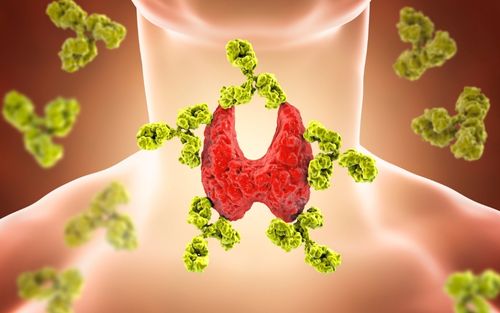
There are many different types of autoimmune diseases, and each one can affect different parts of the body. However, hives are a common symptom of several of them. Following are the causes of the hives:
-
Lupus:
Hives are a common symptom of lupus and can be caused by both the disease itself and the medications used to treat it.
Lupus is an autoimmune disease that causes the body to attack its healthy tissue. This can lead to inflammation and damage to various parts of the body, including the skin.
Medications used to treat lupus, such as corticosteroids, can also cause hives. This is because they suppress the immune system, which can lead to an increase in histamine production.
Hives typically appear as raised, red welts on the skin that are itchy or burning. They can vary in size and may appear and disappear quickly.
While hives are not usually a serious condition, they can be very uncomfortable. -
Hashimoto:
Hives are a common symptom of Hashimoto’s disease, but how does this happen? When the body produces too little thyroid hormone, the immune system is suppressed. This can lead to an increase in histamine production, which can cause hives.
In some cases, hives may also be caused by an allergic reaction to certain foods or medications. If you suspect that you have Hashimoto’s disease, it is important to see your doctor for proper diagnosis and treatment.
In fact, in one study, 30 % of those diagnosed with chronic hives were found to have Hashimoto’s disease. The features of inheritable hives caused by Hashimoto’s disease are similar to hives caused by other factors.
Physical Stimuli That May Cause Hives:
When your body comes into contact with a physical stimulus, it can cause hives. Hives are itchy, red bumps that can appear on your skin. They are usually caused by an allergic reaction to something. Physical stimuli are anything that you come into contact with that can trigger an allergic reaction.
This can include things like dust, pollen, pet dander, and even certain fabrics. If you have a physical stimulus that causes hives, it is important to avoid it as much as possible. If you cannot avoid it, some treatments can help to lessen the symptoms.
Conclusion:
In conclusion, many potential infections can cause hives. While some of these infections are relatively benign, others can be quite serious. If you experience hives, it is important to seek medical attention to determine the cause and to receive appropriate treatment.