
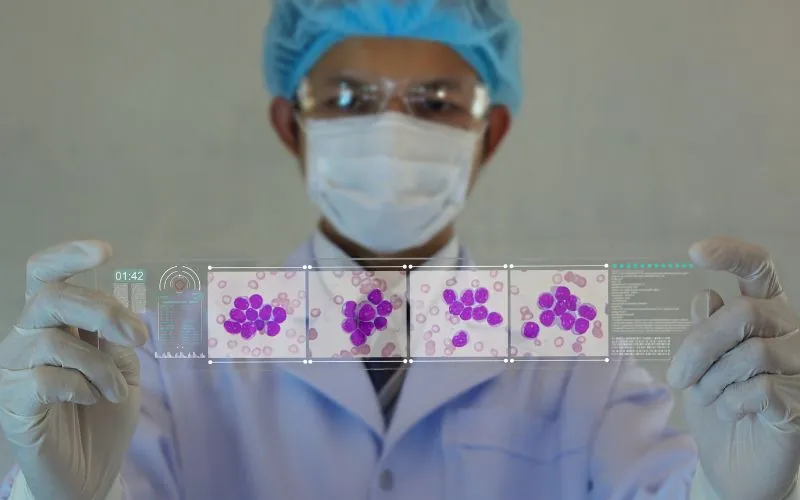
Leukemia hives, also known as Mastocytosis, is a rare skin condition that certain types of leukemia can cause. It causes red or purple spots on the skin and often looks similar to hives. These marks are raised bumps that may itch or tingle. Leukemia hives can affect adults and children but are more common in children with acute lymphoblastic leukemia (ALL).

Leukemia Hives
While Leukemia hives may not always indicate the presence of leukemia, they should be checked out immediately if it does appear. Early diagnosis and treatment can help prevent potential long-term complications associated with this condition.
In some cases, leukemia rash (hives) may be an early symptom of certain types of cancer. If your child has leukemia hives, getting them checked out by a doctor as soon as possible is crucial. A blood test can help diagnose the condition and determine whether or not any underlying causes need to be addressed.
What type of cancer can cause Hives?

What type of cancer can cause hives?
Cancer is a serious medical condition that can cause various symptoms, including hives. Hives, which are also known as chronic urticaria, are raised, red, or pale bumps on the skin that itch or burn. They may be temporary and come and go quickly, or they may last for several days.
Hives can occur in people with cancer and can signal different types of cancer. These include the following:
- Lymphoma (blood cancer) has been linked to hives.
- Leukemia (a type of blood cancer).
- Lung, liver, and pancreatic cancer.
However, it’s important to note that not all cases of hives in people with cancer are caused by cancer. In some cases, hives can be caused by the side effect of treatments such as chemotherapy or radiation therapy.
Besides cancer, what other conditions can cause Hives?
In addition to cancer, hives can also be caused by other medical conditions or environmental triggers such as allergies, stress, extreme temperatures, and exposure to certain chemicals. Therefore, it’s essential to talk with your doctor if you have any concerns about hives since they could be a symptom of something else. Your doctor will help determine the cause of your hives and provide appropriate treatment options.
Ultimately, it’s important to remember that not all cases of hives are caused by cancer. Sometimes, hives may be due to allergies or other environmental triggers.
Causes of Hives
Hives, also known as urticaria, are red and raised itchy bumps that can appear on any body part. They typically vary from a few millimeters to several centimeters in diameter. Hives can range from mild to severe and may last a few minutes or several weeks before fading. Hives may sometimes recur multiple times over weeks or even months.
Hives are generally caused by an allergic reaction to something you have swallowed. During an allergic reaction, your body releases histamines into your blood which causes swelling and itching. In addition, potential allergens such as pollen, medications, food, animal dander, and insect bites could trigger hives.
Sometimes hives can be caused by other circumstances besides allergies. For example, stress, tight clothes, exercise, illnesses, or infections may all cause hives to develop. Additionally, excessive exposure to hot or cold temperatures and irritation from excessive sweating can also lead to the formation of hives.
Unfortunately, in many cases, it is not possible to determine the actual cause of hives as there are so many potential triggers.
Hives can range from a mild nuisance to a significant impairment of quality of life for some individuals. If your hives become very severe and persistent, you should seek medical attention as soon as possible.
A doctor will review your medical history and perform an allergy test to determine the underlying cause of your hives. Then, depending on the results, you may be prescribed medications or other treatments to help reduce your symptoms. By taking appropriate precautionary measures, individuals should be able to avoid flare-ups and lead a normal life free from chronic hives.
The takeaway here is clear: while hives may not seem serious, they can profoundly affect an individual’s quality of life. Therefore, it is wise to consult with your physician if you are experiencing chronic hives or other suspicious bumps.
Treatment options for Hives
Medical practitioners can diagnose hives through a physical examination and perform blood or skin tests if they believe an allergic reaction caused them.
In most cases, hives go away without treatment. However, some medications and at-home care strategies are available to help reduce the risk of further episodes of hives.
These include the following:
- Antihistamines such as diphenhydramine (Benadryl®) and loratadine (Claritin®), fexofenadine (Allegra®), cetirizine (Zyrtec®) or levocetirizine (Xyzal®), which can be taken orally or topically.
- Allergy shots may be recommended for hard-to-treat chronic hives.
- Corticosteroids such as prednisone relieve hive symptoms that do not respond to antihistamines.
- Topical steroids.
- OTC hydrocortisone or antihistamine cream for relief from itching and swelling.
In cases of severe acute allergic reactions leading to anaphylaxis, a life-threatening condition characterized by hives, swelling of the face, mouth, or throat, wheezing, shortness of breath, vomiting, and low blood pressure, a person needs an immediate epinephrine injection (EpiPen®). This injection is essential in opening a swollen airway.
Treatment options for Leukemia
Leukemia is a type of cancer that affects the blood and bone marrow, so treatment options vary depending on the overall health, age, and kind of leukemia. However, several evidence-based treatments are available. These are as follows:
- Stem cell transplantation
- Radiation therapy
- Chemotherapy
- Targeted therapy
- Immunotherapy
Stem cell transplantation is when healthy blood-forming stem cells are infused into your body. These cells can come from either yourself (autologous stem cell transplant) or a matched donor (allogeneic stem cell transplant).
Radiation therapy destroys leukemia cells or relieves enlarged organs or swollen lymph nodes caused by the disease.
Chemotherapy has become the primary choice for treating many forms of leukemia – usually several drugs at once in a set regimen.
Targeted therapy drugs may also be combined with other treatments, as these directly attack leukemia cells and help reduce damage to healthy cells.
Immunotherapy is another option – it helps the immune system identify and destroy cancer cells. One type of immunotherapy, called chimeric antigen receptor (CAR) T-cell therapy, works by taking T-cells from the patient, infusing them with genes that attach to cancer cells, and then returning them to the body.
Regardless of your leukemia treatment course, follow-up care will be necessary for monitoring progress and side effects. Make sure you have regular visits with your doctor or oncologist so they can keep an eye on any changes in your health.
Also, talk to your doctor about additional support services you may need during and after treatment. With the right combination of treatments and care, you can manage your leukemia and increase your chances for a successful recovery.