
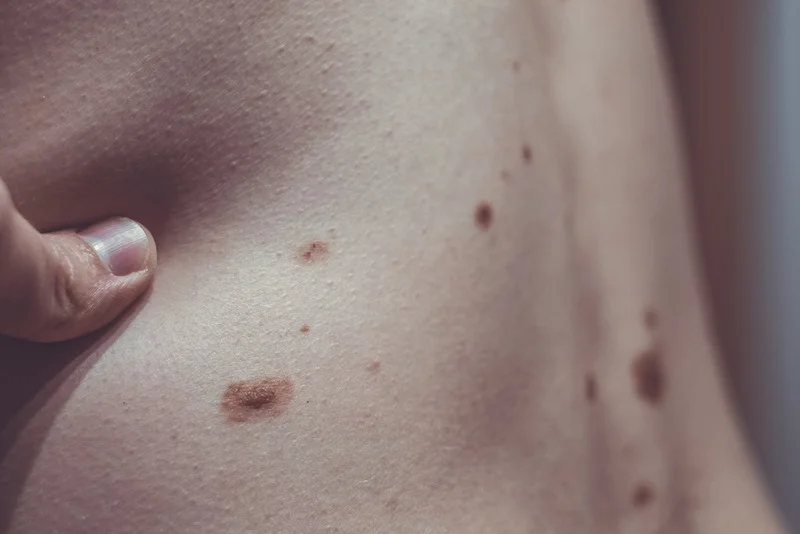
The world of dermatology can seem complicated, and one common term that often surfaces is the ‘melanocytic nevus.’ In simple terms, this refers to what we commonly recognize as a mole. While most moles are benign and simply part of our skin’s unique landscape, understanding them can help identify potential health concerns. This comprehensive guide will provide you with a deep understanding of melanocytic nevi, their significance, treatment options, and preventive measures.
Decoding the Melanocytic Nevus
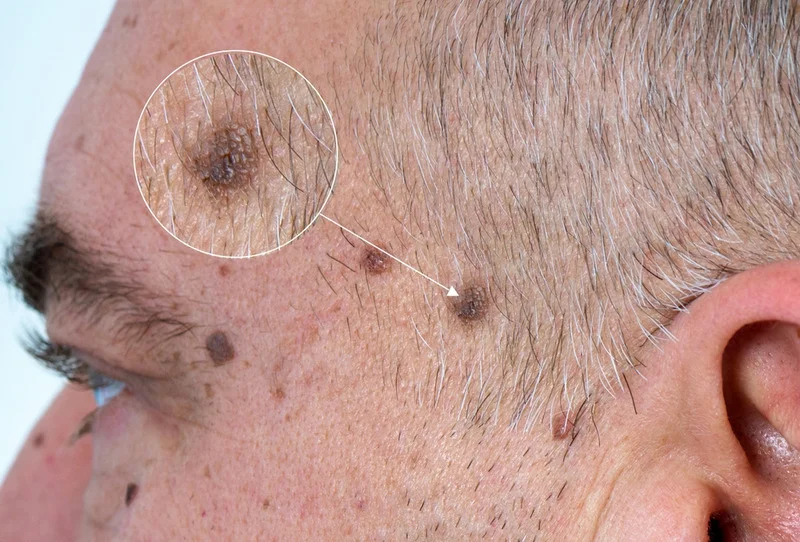
A melanocytic nevus, or a mole, is a common type of skin growth resulting from a cluster of pigmented cells known as melanocytes. They can appear anywhere on the skin and vary greatly in color, shape, and size. They can be flat or raised, smooth or rough, and some may even have hair growing from them.
To better understand the nature and structure of a melanocytic nevus, check out the American Academy of Dermatology Association for a detailed overview.
Classification of Melanocytic Nevus
Melanocytic nevi can be broadly classified into three types based on their characteristics and location within the skin layers:
- Junctional nevi: These moles are flat and usually dark in color, located at the junction between the epidermis and dermis skin layers.
- Intradermal nevi: These are usually skin-colored or slightly brown, and they often have a raised surface. Intradermal nevi are located in the dermis layer of the skin.
- Compound nevi: These moles exhibit characteristics of both junctional and intradermal nevi, appearing slightly raised and usually brown.
For more detailed information on the different types of melanocytic nevi, refer to this article on the Cleveland Clinic website.
The Connection Between Melanocytic Nevus and Melanoma
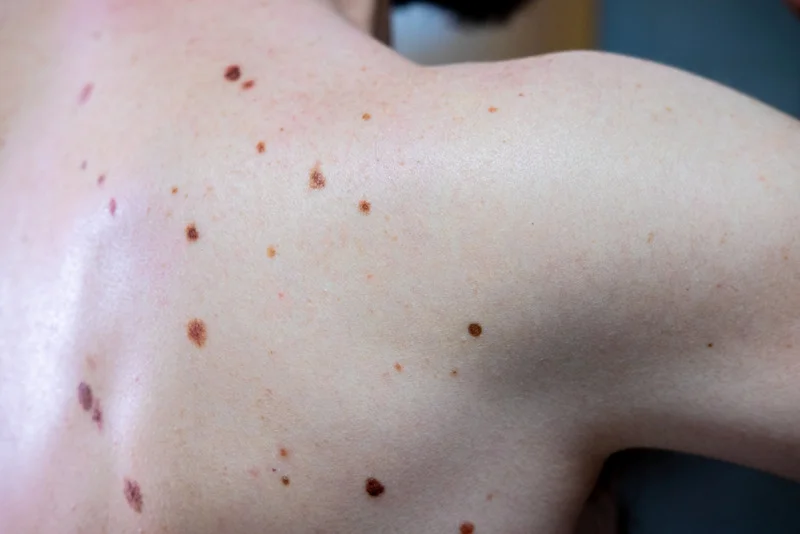
While most melanocytic nevi are benign, they can occasionally evolve into a type of skin cancer known as melanoma. It’s essential to monitor any changes in the shape, size, color, or sensation of your moles, as these could potentially indicate malignant transformation.
The ABCDE rule helps identify signs of melanoma:
- Asymmetry: One half of the mole doesn’t match the other half.
- Border: The edges are irregular, ragged, notched, or blurred.
- Color: The color is not the same all over and may include different shades of brown or black.
- Diameter: The mole is larger than 6 millimeters in diameter.
- Evolving: The mole changes in size, shape, or color over time.
If you spot any of these changes, seek immediate medical attention. For more information on melanoma, visit the Skin Cancer Foundation website.
Removing Melanocytic Nevus: When and How
While most melanocytic nevi don’t require treatment, a dermatologist may recommend removal for various reasons, such as potential malignancy, cosmetic concerns, or discomfort caused by the mole’s location.
Mole removal can be done via excision (cutting it out) or shave removal, both of which can usually be done in a dermatologist’s office under local anesthesia. It’s important to note that removing a mole doesn’t necessarily prevent others from appearing in the future.
Visit the Mayo Clinic website for more detailed information on mole removal procedures.
Preventive Measures: Taking Care of Your Skin
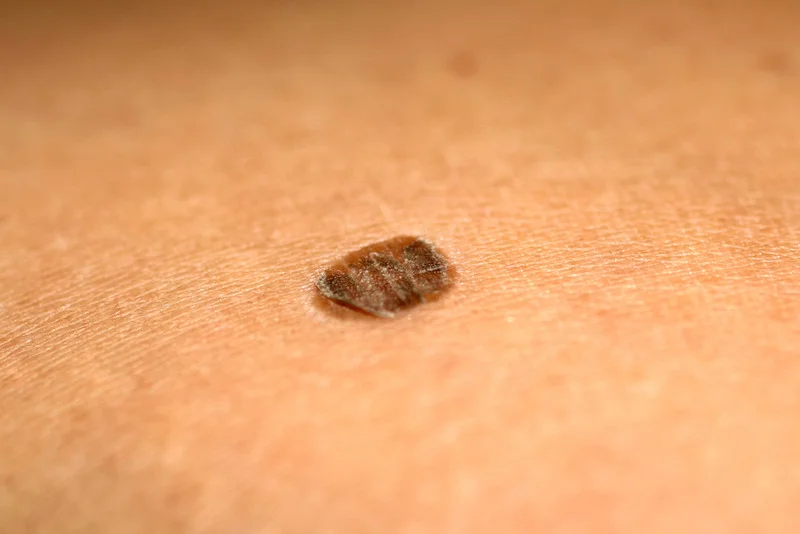
While you can’t prevent melanocytic nevi from appearing, certain steps can help maintain skin health and potentially reduce your risk of melanoma:
- Sun protection: Avoid peak sun hours, apply sunscreen regularly, and wear sun-protective clothing.
- Regular self-examinations: Regularly inspect your skin for new moles or changes to existing ones. Use a mirror or ask for help for hard-to-see areas.
- Professional skin exams: Regular skin examinations by a dermatologist can help detect suspicious moles early.
For additional tips on skin health and protection, visit this vitiligo signs.
Frequently Asked Questions
1. Are all melanocytic nevi dangerous?
No, most melanocytic nevi are benign and pose no health risk. However, a change in size, shape, color, or sensation of a mole may be a sign of melanoma and should be evaluated by a healthcare provider.
2. Can melanocytic nevi appear at any age?
Yes, melanocytic nevi can appear at any age. They are most common in children and young adults, but new moles can appear in older adults as well.
3. Is mole removal painful?
Mole removal is typically done under local anesthesia, so you shouldn’t feel pain during the procedure. There may be some discomfort or tenderness during the healing process.
4. Can a mole come back after removal?
While it’s rare, a mole can sometimes grow back after removal, especially if some mole cells were left behind during the procedure.
5. Can melanocytic nevi be prevented?
There’s no known way to prevent melanocytic nevi. However, protecting your skin from the sun can help reduce your risk of skin cancer, including melanoma.