
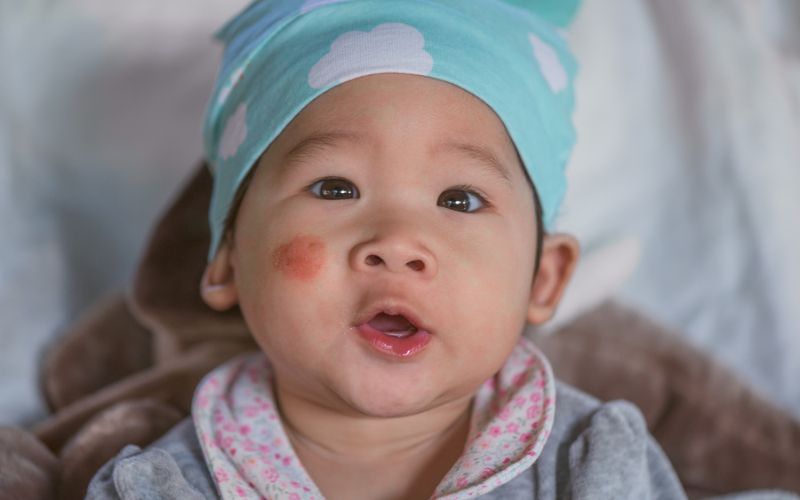
Pityriasis alba is a common skin condition primarily affecting children and young adults. It is characterized by light-colored, slightly scaly patches that usually appear on the face, arms, and other sun-exposed areas. While not harmful or contagious, pityriasis alba can be concerning for patients and parents due to its appearance. This article aims to provide a comprehensive overview of pityriasis alba, covering its causes, symptoms, diagnosis, treatment, and prevention strategies.
Understanding Pityriasis Alba

Pityriasis alba is a benign skin disorder belonging to the group of non-inflammatory hypopigmented dermatoses. It is often considered a mild form of atopic dermatitis (eczema). “pityriasis” refers to the fine scales that characterize the condition. At the same time, “alba” signifies the pale or hypopigmented patches resulting from depigmentation of the affected skin.
Causes

The exact cause of pityriasis alba remains unclear, but several factors are believed to contribute to its development:
Atopic Predisposition: Individuals with a history of atopic dermatitis or other allergic conditions are more susceptible to developing pityriasis alba. Genetic factors and a compromised skin barrier may play a role.
Sun Exposure: Pityriasis alba is more common in individuals with lighter skin tones who experience excessive sun exposure. UV radiation can trigger inflammation and skin changes, leading to characteristic patches.
Dry Skin: Dry and sensitive skin is more prone to developing pityriasis alba. Inadequate moisturization can exacerbate the condition.
Environmental Factors: Environmental allergens, such as dust mites and pollen, could trigger or worsen pityriasis alba in susceptible individuals.
Symptoms

Pityriasis alba typically presents as round or oval patches with the following characteristics:
Color: The patches are lighter than the surrounding skin and can vary in shades from pale pink to white.
Texture: The affected skin may appear dry, rough, or slightly scaly.
Location: Common sites include the face, particularly around the mouth and cheeks, and the arms. P patches may also appear less frequently on the neck, shoulders, and trunk.
Size: The patches can range from a few millimeters to several centimeters in diameter.
Borders: Pityriasis alba patches often have indistinct borders and may blend gradually into the surrounding skin.
Diagnosis

Diagnosing pityriasis alba is usually based on clinical observation of the characteristic patches. A dermatologist may confirm the diagnosis by ruling out other skin conditions that may present with similar symptoms, such as tinea versicolor or vitiligo. Sometimes, a skin biopsy may be performed to confirm the diagnosis if uncertain.
Treatment and Management

Pityriasis alba is a self-limiting condition that tends to improve over time. However, some measures can help manage its symptoms and accelerate healing:
Moisturization: Regular and thorough moisturization helps maintain the skin’s hydration, reducing dryness and scaling associated with pityriasis alba.
Sun Protection: Protecting the skin from excessive sun exposure is crucial. Sunscreen with a high SPF should be applied to exposed areas, and protective clothing should be worn.
Topical Steroids: A dermatologist may prescribe mild topical corticosteroids in more severe cases or when itching is present to reduce inflammation and promote healing.
Emollients: Emollient creams and ointments can soothe the skin, alleviate itchiness, and promote healing.
Avoid Irritants: Patients should avoid harsh soaps, fragrances, and other irritants that could exacerbate the condition.
Diet and Hydration: A balanced diet rich in vitamins, antioxidants, and adequate hydration can contribute to healthier skin.
Prevention

While pityriasis alba may not always be preventable, the following strategies can minimize its risk and severity:
Maintain Good Hygiene: Regular bathing and proper skincare routines can help prevent dryness and reduce the likelihood of flare-ups.
Sun Protection: Using sunscreen and protective clothing outdoors can prevent sun-induced skin changes contributing to pityriasis alba.
Healthy Lifestyle: A balanced diet, sufficient hydration, and regular exercise can support overall skin health.
Avoid Irritants: Limit exposure to irritants like harsh soaps and detergents that can disrupt the skin barrier.
Conclusion
While benign and self-limiting, Pityriasis alba can cause discomfort and concern due to its appearance, especially in children and young adults. Understanding its causes, symptoms, and management strategies can help patients and their families navigate this common skin condition more confidently. If symptoms persist or worsen, consulting a dermatologist ensures accurate diagnosis and appropriate treatment, enhancing the quality of life for those affected by pityriasis alba.