

Pollen allergies are one of the common kinds of allergies. Approximately 10% of the world’s population suffers from pollen allergies. In the United States, about 50 million people experience pollen allergies yearly. The symptoms associated with allergies are sneezing, cough, nasal congestion, itchiness, and skin rashes.
What is pollen?
Pollen is a naturally found seasonal trigger. Trees, flowers, grasses, and weeds generate pollen, an excellent powder used to fertilize other plants of the same species. Additionally, it’s currently one of the leading causes of allergies. When people breathe in pollen, many experiences an adverse immunological reaction.
How can pollen cause allergies?
Typically, the immune system protects the body from disease-causing invaders like germs and viruses. However, in some people, the immune system misinterprets innocuous pollen in those with pollen allergies as a potentially harmful invader. Histamine is among the substances the immune system creates to combat pollen. The specific kind of pollen that causes it is referred to as an allergen, and this is referred to as an allergic reaction.
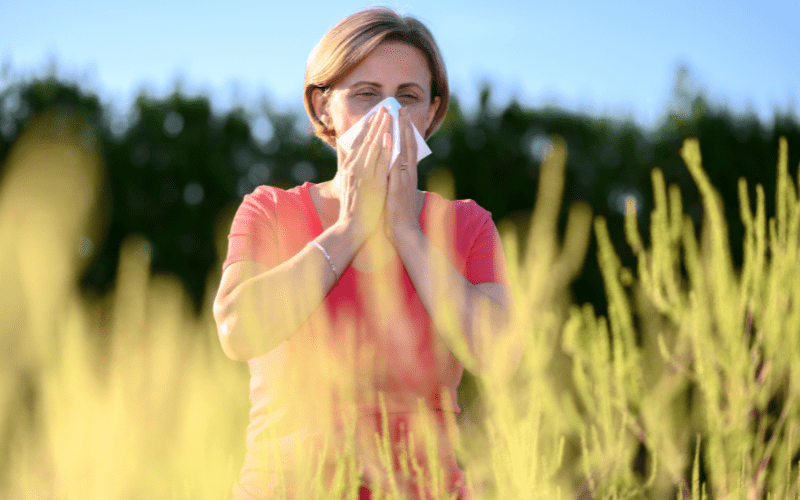
Pollen Allergies
Approximately 10% of the world’s population suffers from pollen allergies.
What are the types of pollen allergies?

Types of Pollen Allergies
Different allergies have different origins. However, many different types of plants also release pollen and give rise to allergic reactions in people. Most allergic reactions have an origin from the following.
- Trees-causing Pollen Allergies
- Grasses- Grass Pollen Allergies
- Weeds- Weeds Pollen Allergies
Trees that cause pollen allergies
Some trees that cause pollen allergies are as follows:
- The birch
- Alder
- An oak
- Ash
- Juniper
- Maple
Grass pollen allergies
A grass pollen allergy: Grass is the most significant cause of allergies in the spring and summer. There are several kinds of grass. Perennial rye, Bermuda grass, and bluegrass are just a few of those that can irritate those with allergies.
- Bahia
- Bermuda
- Fescue
- Johnson
- Kentucky blue
- Timothy
Weeds pollen allergies:
Ragweed pollen allergy: The plants known as ragweed are the weeds that are most likely to cause allergies. One plant can create around 1 billion pollen grains. The first few months of fall are when they are most active. However, ragweed’s pollen dispersal can begin as early as August and last until November, depending on the region. Even in a mild winter, wind-borne pollen can travel great distances.
Some other types of Weed Allergens include:
- Burning bush
- Cocklebur
- Lamb’s-quarters
What are the causes of pollen allergies?
When your immune system misinterprets pollen and thinks it is harmful, it starts responding, leading to pollen allergies. However, any allergy, including a pollen allergy, is not entirely understood in terms of its etiology.
Who is most likely to develop pollen allergies?
According to experts, genetics might be involved. For example, if you belong to parents who have allergies, you have a greater chance of getting that in heredity.
What are the symptoms of pollen allergies?
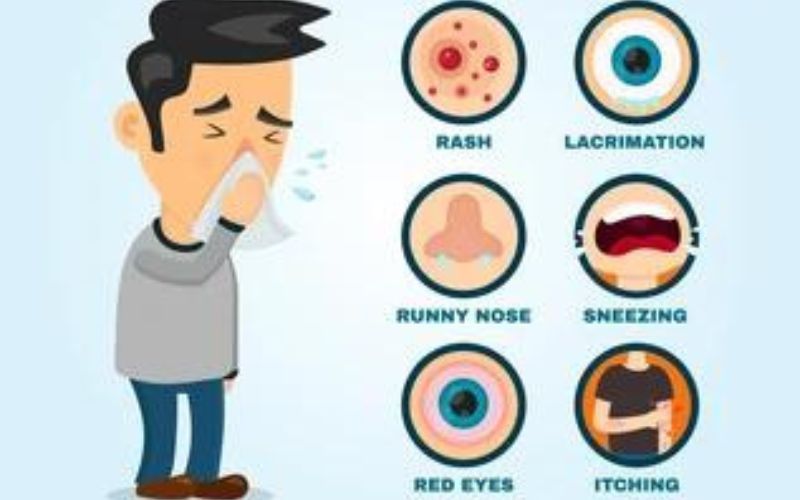
Symptoms of Allergy
Most frequently, pollen allergy symptoms include:
- Nasal obstruction
- Shortness of breath
- Nausea (associated with SOB)
- Sinus pressure may result in facial pain.
- Runny nose
- Wet, itching eyes
- Unwell throat
- Cough
- Blue, swollen skin beneath the eyes
- Reduced ability to smell or taste
- Higher asthmatic reaction
Does pollen cause Hives?
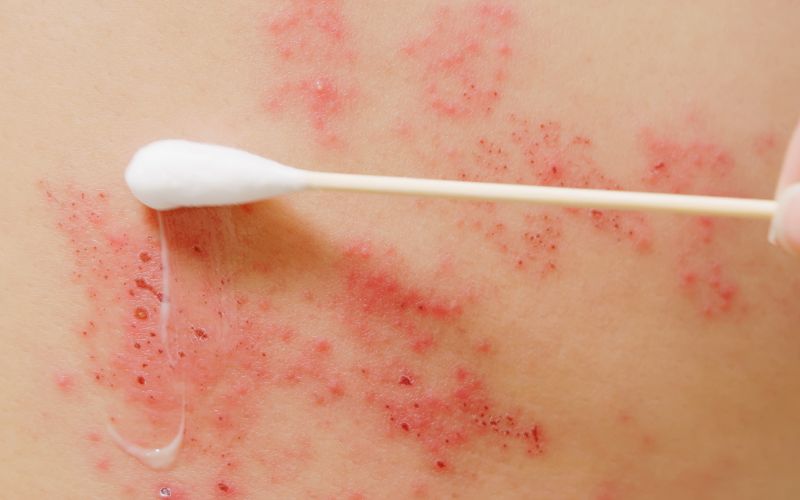
Hives
Yes, hives can be a sign of a pollen allergic reaction. Hives can also be brought on by direct contact with or physical exposure to allergens like latex. Since allergy shots expose you to allergens to boost your immune, even these treatments, intended to reduce allergy symptoms, might result in hives.
How is it diagnosed?
The following are the steps usually involved in allergy testing.
- First, you will be questioned about your medical history and current symptoms, including when they first appeared, how long they have lasted, and whether they are constant or change throughout the year.
- Doctors will conduct a skin prick test to identify the precise allergen causing your symptoms. Then, they will prick various skin parts during the process and inject a tiny quantity of specific allergens.
- Within 15 to 20 minutes, the area will become red, swollen, and itchy if you are allergic to any ingredients. Additionally, a raised, circular room that resembles hives may be visible.
- Allergy testing can also be done using blood tests.
How are allergies treated?
Following are the treatment options for pollen allergies. These include:
Medications:
There are numerous over-the-counter (OTC) allergy medicines, including:
- Antihistamines like diphenhydramine (Benadryl) or cetirizine (Zyrtec)
- Decongestants like oxymetazoline (Afrin) and pseudoephedrine (Sudafed)
- Combination antihistamine/decongestant medicines, such as loratadine/pseudoephedrine (Claritin-D) and
- Fexofenadine/pseudoephedrine (Allegra-D)
Injections:
If medications do not relieve your symptoms, allergy injections could be suggested. Shots for allergies are an example of immunotherapy. First, the allergen is injected several times into you. Then, over time, the allergen concentration in the injection steadily rises.
The shots alter your immune system’s reactivity to the allergen, which helps lessen the severity of your allergic reactions. The American Academy of Allergy, Asthma, and Immunology states that after starting allergy shots for a year, you might experience total relief. After that, however, three to five years of treatment may be required.
Immunization against allergies is not advised for kids under the age of five.
How can pollen allergies be prevented?
As with other allergies, avoiding the allergen is the best way to stop pollen allergy symptoms. But it can be challenging to avoid pollen. Nevertheless, you might be able to reduce your pollen exposure by:
- Remaining inside on dry, breezy days
- Letting someone else handle the yardwork or gardening during the peak seasons
- Putting on a dust mask when there is a lot of pollen
- Securing windows and doors during periods of high pollen concentrations
- Check the weather section of your local newspaper to learn the pollen concentrations there so you can manage your ADLs accordingly.
FAQS
- What are pollen allergies?
- How are pollen allergies diagnosed?
- Who are at risk of getting allergies?
- Can we treat pollen allergies?
- What are the symptoms of pollen allergies?
Related Articles:
Acute Hives: Causes, Symptoms & Treatment
Hives on Skin and Body – Hives Treatment