
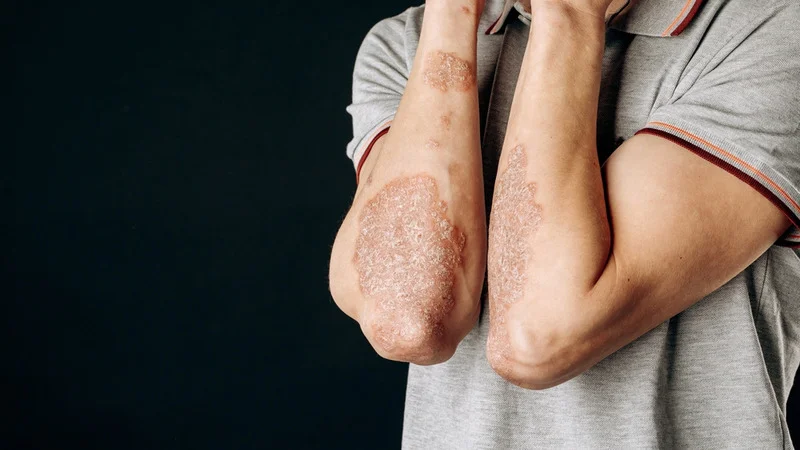
White patches skin fungus often alarm many people, as they can be associated with various health conditions. However, one common cause of such patches is a fungal infection known as tinea versicolor. The harmless but occasionally recurring condition can lead to noticeable changes in skin color and texture. This comprehensive guide aims to enhance understanding of white patches of skin fungus, helping individuals identify symptoms, seek effective treatment, and implement preventive measures.
Understanding White Patches Skin Fungus
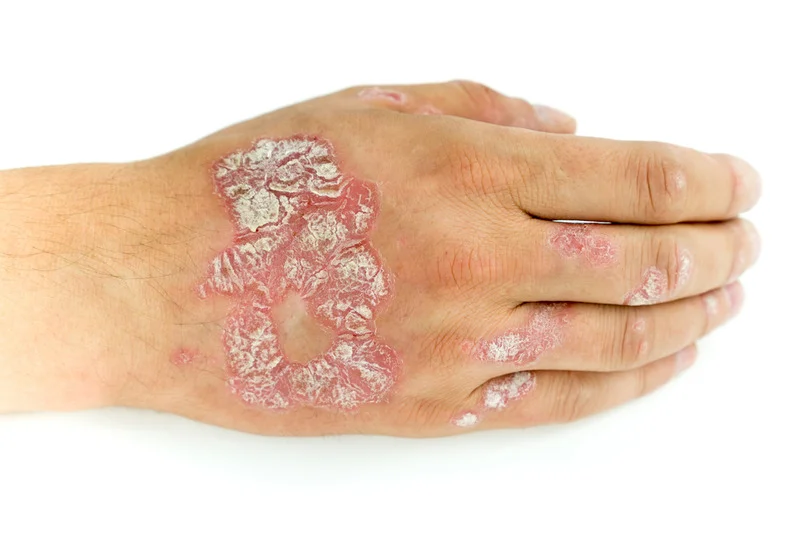
Tinea versicolor, also known as pityriasis versicolor, is a common fungal infection of the skin. It’s caused by an overgrowth of yeast, a type of fungus naturally found on human skin. When the yeast proliferates excessively, it causes a rash that appears as patches of skin discoloration.
These patches are often lighter (or sometimes darker) than the surrounding skin and mainly occur on the back, chest, neck, and upper arms. Though tinea versicolor is generally harmless, it can cause mild itching and be cosmetically distressing to some people.
The American Academy of Dermatology provides an excellent resource for understanding the basics of this condition.
Identifying Symptoms of White Patches Skin Fungus
The most prominent symptom of tinea versicolor is the appearance of white patches on the skin. These patches can also be pink, tan, or brown, depending on the person’s skin tone. Other key symptoms include:
- Mild itching
- Scaly texture to the affected skin
- Worsening of the skin discoloration in hot, humid, or sweaty conditions
- Improvement of the condition in cooler, drier weather
It’s essential to consult a healthcare provider or dermatologist for an accurate diagnosis if you notice such symptoms. The Mayo Clinic offers a detailed explanation of the symptoms of tinea versicolor.
Differentiating Tinea Versicolor from Other Skin Conditions
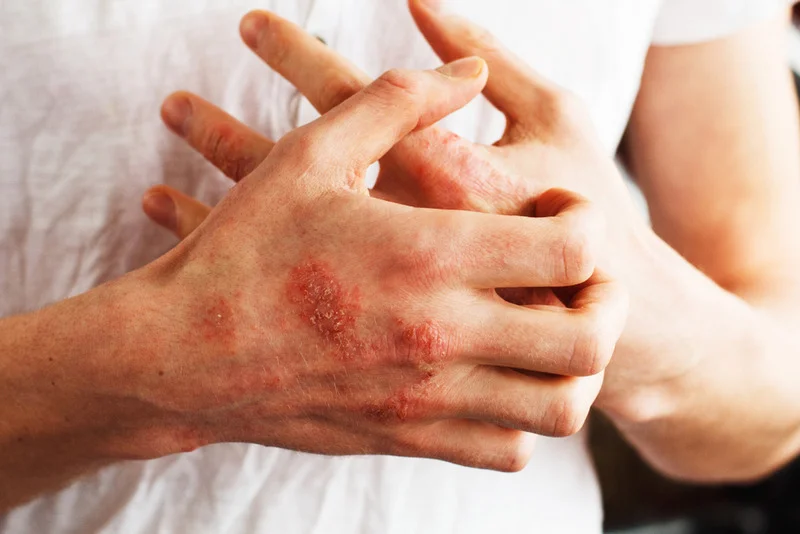
While tinea versicolor is a common cause of white patches on the skin, other conditions can cause similar symptoms. For instance, vitiligo is a skin condition characterized by the loss of pigment cells, resulting in white patches on the skin. Another condition, pityriasis alba, often seen in children and teenagers, can also lead to white patches.
Differentiating tinea versicolor from these conditions is crucial as the treatments differ significantly. A dermatologist can usually diagnose the condition based on a skin examination and may confirm it with a skin scraping for microscopic examination or fungal culture.
To learn more about vitiligo and its symptoms, visit these vitiligo signs.
Treatment Options for White Patches Skin Fungus
Treatment for tinea versicolor aims to control the overgrowth of yeast on the skin. It typically involves topical antifungal medications such as creams, lotions, or shampoos that contain selenium sulfide, ketoconazole, or pyrithione zinc.
For severe or recurrent cases, a healthcare provider may prescribe oral antifungal medications.
While treatment can quickly kill the yeast and restore skin color, it may take several weeks or months for the skin to regain its normal color. Moreover, tinea versicolor tends to recur, particularly in warm and humid conditions, necessitating ongoing treatment during these times.
For more in-depth information on treating white patches of skin fungus, the American Osteopathic College of Dermatology provides a comprehensive guide.
Prevention Strategies for White Patches Skin Fungus
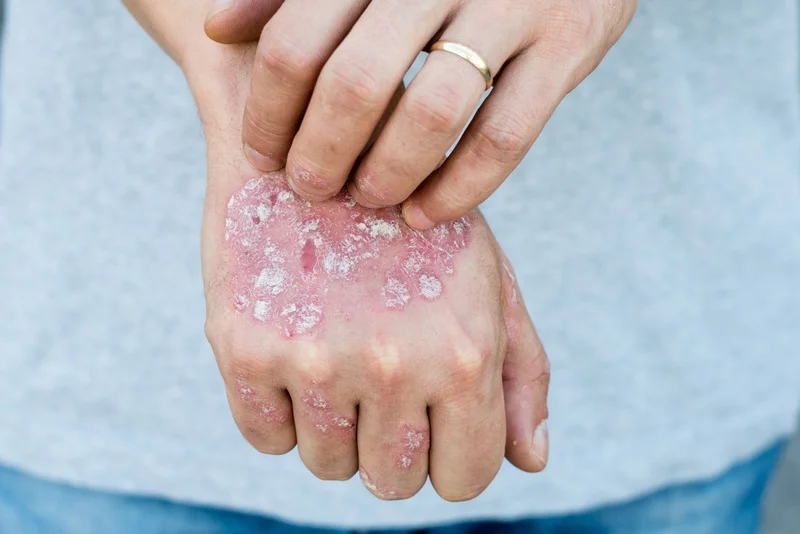
Prevention plays a crucial role in managing tinea versicolor due to its recurring nature. Strategies include:
- Regular use of antifungal products: Using an antifungal soap or shampoo can help prevent yeast overgrowth.
- Avoidance of excessive heat and humidity: Since the yeast thrives in warm, humid environments, try to stay in cooler, less humid environments when possible.
- Wearing loose, breathable clothing: This can help reduce sweating and moisture build-up on the skin.
Further prevention strategies can be found on the National Eczema Association website, offering valuable insights on managing this condition.
Frequently Asked Questions
1. Can white patches of skin fungus spread to others?
Tinea versicolor is not contagious. The yeast causing this condition is naturally present on human skin. The overgrowth leading to the infection is usually due to individual predisposing factors like oily skin, hormonal changes, or living in a warm, humid environment.
2. How long does it take for the white patches to disappear after treatment?
While the yeast can be quickly eliminated with treatment, it can take several weeks or even months for the skin to regain its normal color.
3. Can tinea versicolor be prevented?
Yes, regular use of over-the-counter antifungal products, avoidance of excessive heat and humidity, and wearing breathable clothing can help prevent tinea versicolor.
4. Can white patches of skin fungus lead to complications?
Tinea versicolor is typically harmless and doesn’t cause pain or scarring. However, it can be cosmetically distressing due to the noticeable skin discoloration, and it can recur frequently in some individuals.
5. Are certain people more prone to tinea versicolor?
Yes, factors that increase the risk include being a teenager or young adult, having a weakened immune system, living in a warm and humid environment, and having oily skin.