

Hives also known as urticaria, are a sudden appearance of light red lumps or welts on the skin. Angioedema is the medical term for the swelling that frequently accompanies hives. Hives may be brought on by drugs, allergic responses, chemicals in particular foods, insect stings, sunshine, and other factors. It’s frequently tough to determine the precise cause of hives.
Types of hives
The following are the most common types of hives. These include:
-
Acute hives
These hives disappear in less than six weeks. Foods, drugs, and infections are the most frequent cause. Diseases and insect stings could also be at blame.
Nuts, chocolate, seafood, tomatoes, eggs, fresh berries, and milk are the top food allergens. More frequently than cooked foods, fresh foods can induce hives. Another potential culprit could be specific food chemicals and preservatives.
Aspirin, other non-steroidal anti-inflammatory drugs like ibuprofen, prescriptions for high blood pressure (particularly ACE inhibitors), and pain relievers like codeine are some of the substances that can trigger hives.
These hives persist for more than six weeks. In contrast to those causing acute urticaria, this cause is typically more difficult to pinpoint. It is typically impossible to determine the cause of chronic urticaria. However, in some instances, cancer, hepatitis, an infection, or thyroid illness may be the reason.
Organs include the muscles, gastrointestinal tract, and lungs can also be impacted by chronic urticaria. Breathing difficulties, aches in the muscles, nausea, and diarrhea are some symptoms.
-
Physical hives

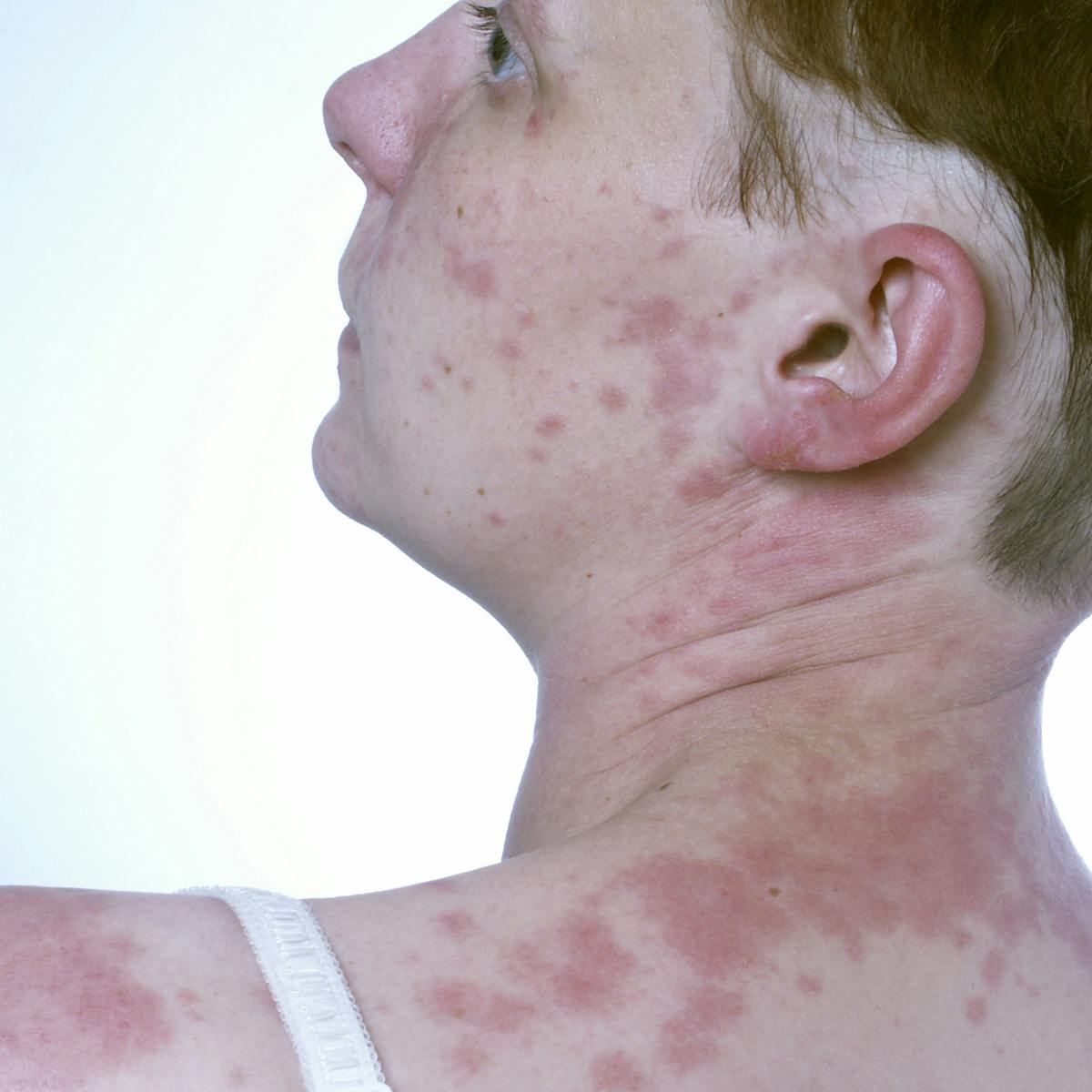
These hives are brought on by anything that stimulates the skin, such as cold, heat, exposure to the sun, vibration, pressure, or exercise. The hives almost never develop elsewhere and typically develop where the skin was agitated. Most hives start to form after an hour.
-
Dermatographism
Hives develop after vigorously caressing or scratching the skin in this typical type of physical urticaria. Additionally, other urticaria types may coexist with these hives.
What are the common symptoms of hives?
The most common symptoms of hives include:
- Itchy raised bumps that might be either red or skin-colored
- “Blanching” (when touched, the center of a red hive turns white)
What causes or trigger hives?
- A few foods (especially peanuts, eggs, nuts and shellfish)
- Antibiotics, particularly penicillin and sulfa, aspirin, and ibuprofen are examples of medications.
- Bee stings or insect bites
- Physical irritants including pressure, cold, heat, exertion, or sun exposure
- Latex
- Transfusions of blood
- Bacterial infections, such as strep throat and urinary tract infections
- Infections caused by viruses, such as the common cold, infectious mononucleosis, and hepatitis
- Pollen
- Certain plants
How are Hives detected or diagnosed?
To determine the potential source of your hives, your doctor will need to ask you a lot of questions. Since there are no particular tests for hives or the swelling caused by angioedema, testing will be based on a comprehensive physical examination by your doctor and your medical history. Skin tests may be used by your doctor to determine what you are allergic to. Or they might examine your blood to determine if you have a disease.
Treatment
The best way to cure hives is to identify and eliminate the cause. Your doctor will typically provide antihistamines to help with symptoms. Antihistamines function best when used consistently to stop hives from developing in the first place.
Antihistamines and other drugs can be used to treat chronic hives. Oral steroids may be administered if antihistamines are ineffective in relieving symptoms. A biologic medication called omalizumab (Xolair) has also been licensed to treat persistent hives in patients older than 12 years old. You could require an epinephrine injection or a cortisone medication for severe hives.
Also Read, What Are Hives? Symptoms & Causes