

You’ve probably heard the term ‘estrogen’ tossed around in discussions about women’s health. But do you know how this key hormone could influence your daily life, mood, and overall health? Understanding the influence of high estrogen levels is far from a women-only concern.
It plays a prominent role in men’s and women’s health, as an imbalance can lead to severe problems. This article will help you identify if you have high estrogen levels through the telltale signs and delve into its potential impact on your well-being. Stay with us as we uncover the intricate relationship between high estrogen levels and your health.
High estrogen levels can present symptoms including acne, loss of libido, water retention, depression, insomnia, and more. Monitoring estrogen levels through blood work and consulting a healthcare provider to address potential hormonal imbalances is important.
Understanding High Estrogen Levels
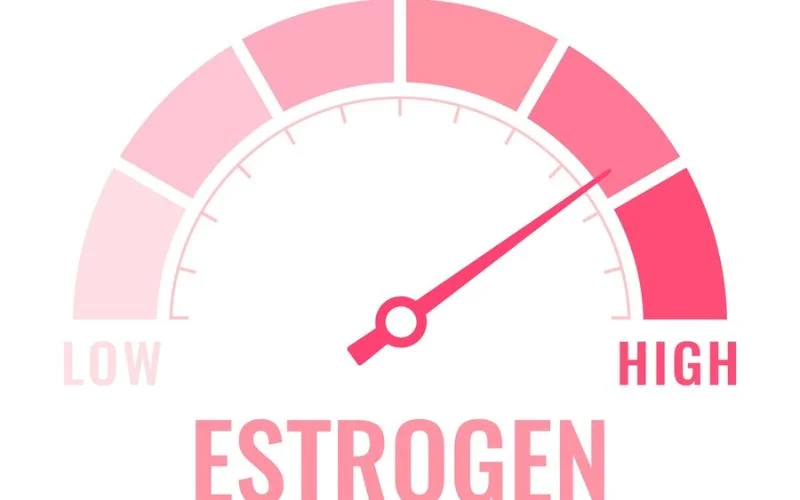
Estrogen, one of the primary sex hormones in individuals assigned female at birth (AFAB), plays a crucial role in reproductive health and overall well-being. However, when estrogen levels become elevated, it can lead to various effects on the body. Understanding high estrogen levels is essential for individuals to recognize and address potential imbalances.
Estrogen levels naturally fluctuate throughout different stages of life, such as puberty, ovulation, and menopause. However, consistently high estrogen levels may indicate an underlying condition or imbalance. It’s important to note that the symptoms and indicators of elevated estrogen can vary between AFAB individuals and those assigned male at birth (AMAB).
In AFAB individuals, ovaries primarily produce estrogen during their reproductive years. Additionally, adrenal glands and fatty tissue secrete estrogen to a lesser extent. During pregnancy, the placenta becomes a significant source of estrogen production.
Think of estrogen as the conductor in an orchestra, orchestrating various functions like regulating cholesterol and blood sugar levels, maintaining bone and muscle mass, supporting healthy circulation and blood flow, promoting collagen production for skin health, enhancing brain function, and more.
When there is an excess amount of estrogen present in AFAB individuals, it can lead to various symptoms and indicators that shouldn’t be ignored.
Symptoms and Indicators in AFAB Individuals

Picture this: Sarah is a 35-year-old woman experiencing some unusual symptoms lately. She notices breast tenderness that seems out of the ordinary and weak or brittle bones causing her concern.
In addition to these physical changes, she’s been having hot flashes and night sweats, disrupting her sleep and leading to fatigue during the day. Not only that, but Sarah finds herself experiencing mood swings and trouble concentrating even on tasks she used to breeze through.
To make matters worse, she’s been struggling with vaginal dryness, making intercourse painful and affecting her overall quality of life. All these symptoms indicate Sarah might be dealing with high estrogen levels.
High estrogen levels in AFAB individuals can manifest in various ways. Some common symptoms include:
- Breast tenderness: Increased sensitivity and discomfort in the breasts.
- Weak or brittle bones: Estrogen plays a crucial role in maintaining bone density, and elevated levels can lead to bone loss or osteoporosis.
- Hot flashes and night sweats: These sudden feelings of intense heat and sweating are typical signs of hormonal imbalances.
- Irregular or absent periods: High estrogen levels can disrupt the natural menstrual cycle, leading to irregularities or missed periods.
- Headaches: Hormonal fluctuations can trigger frequent headaches or migraines.
- Trouble concentrating: Difficulty focusing and reduced cognitive function may be experienced due to hormonal imbalances.
- Vaginal dryness: Elevated estrogen levels can cause a decrease in vaginal lubrication, leading to discomfort and pain during intercourse.
- Mood changes and depression: Fluctuating hormone levels can contribute to mood swings, irritability, anxiety, or depression.
- Fatigue and trouble sleeping: Sleep disturbances like insomnia or disrupted sleep patterns can result from high estrogen levels.
It is important to note that experiencing some symptoms doesn’t automatically mean someone has high estrogen levels. Professional medical assessment and blood tests should be conducted to confirm any hormonal imbalances.
High estrogen levels affect AFAB individuals and have significant implications for those assigned males at birth (AMAB). In the next section, let’s explore how high estrogen manifests in AMAB individuals.
Symptoms and Indicators in AMAB Individuals
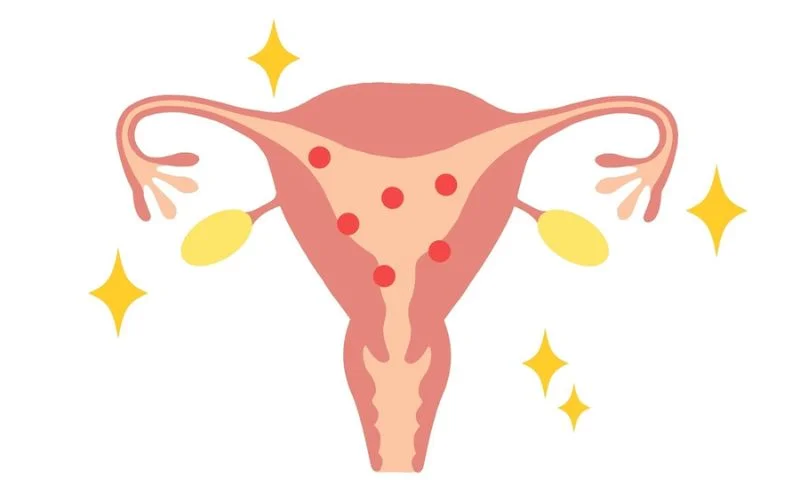
High estrogen levels can have noticeable symptoms and indicators in individuals assigned male at birth (AMAB). These signs may manifest physically, emotionally, and sexually. Recognizing these symptoms is important as they can provide insights into potential hormonal imbalances or underlying health conditions.
One common physical indicator of high estrogen in AMAB individuals is the development of gynecomastia, which refers to the enlargement of breast tissue. This can be distressing for some individuals and may impact their self-esteem. Other physical symptoms may include decreased body hair growth, reduced testicle size, and a softer muscle tone. These changes are attributed to the effects of excess estrogen on the male reproductive system.
Emotionally, high estrogen levels can contribute to mood alterations and emotional instability. AMAB individuals may experience increased irritability, anxiety, or even depression. These dynamic changes can significantly impact daily life and relationships.
Sexual function may also be affected by high estrogen levels in AMAB individuals. Some may experience decreased libido or sexual desire due to hormonal imbalances. Additionally, issues like erectile dysfunction or difficulty achieving and maintaining erections can arise. These sexual changes can lead to frustration, stress, and strain on intimate relationships.
It’s important to note that these symptoms do not necessarily confirm elevated estrogen levels, as other factors could contribute to these experiences. Consulting with a healthcare professional is crucial for proper evaluation and diagnosis.
For instance, John, a 35-year-old man assigned male at birth, noticed a sudden enlargement in his breast tissue accompanied by emotional swings such as unexplained irritability and frequent bouts of sadness. Concerned about these changes, he sought medical advice and was diagnosed with high estrogen levels, which prompted further investigation into potential underlying causes.
Understanding the symptoms experienced by AMAB individuals provides insight into the potential effects of high estrogen levels on their overall health and well-being.
- High estrogen levels can have visible symptoms and effects on physical, emotional, and sexual health in individuals assigned to males at birth. It is important to recognize these symptoms as they may reveal underlying hormonal imbalances or health conditions. Consulting with a healthcare professional for proper evaluation and diagnosis is crucial.
Effects on Health and Wellbeing
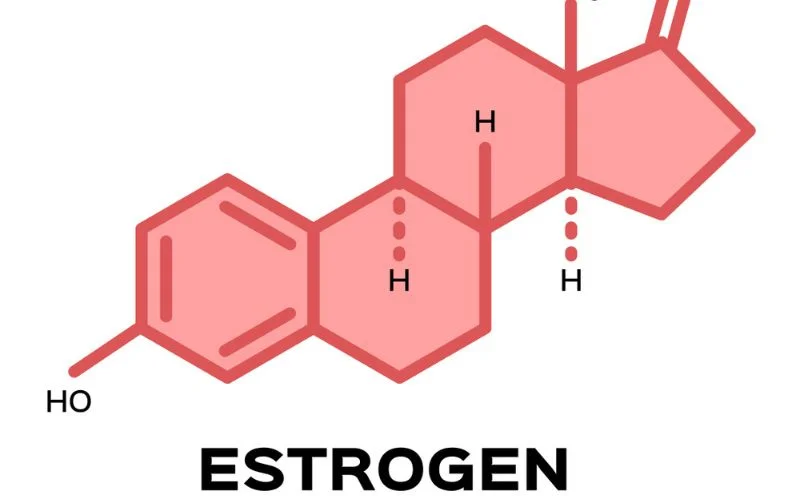
High estrogen levels in AMAB individuals can impact various physical and mental health aspects. While estrogen is typically associated with people assigned female at birth (AFAB), it plays an important role in maintaining hormonal balance regardless of gender. However, when these levels become elevated in AMAB individuals, certain effects on health and well-being can occur.
One significant effect is endocrine system disruption, which can lead to hormonal imbalances. This imbalance may adversely affect bodily functions, including metabolism, energy levels, and bone health. Increased estrogen levels may contribute to decreased testosterone production, reducing muscle mass and strength.
Excess estrogen is also linked to an increased risk of cardiovascular complications such as high blood pressure or clotting disorders. Furthermore, multiple studies have suggested a potential association between high estrogen levels and an increased risk of prostate cancer. Individuals with elevated estrogen levels must know these risks and work closely with healthcare professionals for appropriate monitoring and preventive measures.
Think about it like a delicate dance between hormones – when one partner takes the lead too aggressively; it can throw off the entire routine.
High estrogen levels in AMAB individuals can also affect mental well-being. Emotional changes, including mood swings or depressive symptoms mentioned earlier, can impact the overall quality of life. Additionally, cognitive functions such as memory, concentration, and focus may be influenced by hormonal imbalances.
Addressing high estrogen levels through proper diagnosis and management is crucial for maintaining overall health and well-being. An individualized treatment plan guided by healthcare professionals can help restore balance and alleviate the symptoms associated with elevated estrogen levels.
Understanding the potential long-term health risks associated with high estrogen levels is essential for addressing this issue effectively and proactively.
Long-term Health Risks and Potential Conditions
Excessive estrogen levels can lead to various long-term health risks and potential conditions. It is important to recognize these signs and symptoms to take appropriate action and seek necessary medical intervention.
One potential risk associated with high estrogen levels is an increased likelihood of developing certain types of cancer. Research has shown a correlation between elevated estrogen levels and an increased risk of breast, ovarian, and uterine cancers. High estrogen can promote abnormal cell growth and division, making it essential to monitor estrogen levels regularly.
Another concern is the impact on cardiovascular health. High estrogen levels have been linked to an increased risk of heart disease, high blood pressure, and blood clot formation. Estrogen plays a complex role in regulating cholesterol levels, blood vessel function, and blood clotting factors. When estrogen levels are imbalanced, these mechanisms can be disrupted, potentially leading to cardiovascular complications.
Furthermore, excess estrogen may contribute to metabolic imbalances such as insulin resistance and weight gain. Estrogen plays a role in regulating glucose metabolism and adipose tissue distribution. Disruptions in this hormonal balance can impair insulin sensitivity, leading to higher blood sugar levels and an increased risk of developing type 2 diabetes. Additionally, imbalanced estrogen levels can influence fat deposition and promote weight gain, particularly in the abdominal area.
Mood disorders and mental health concerns are another area impacted by high estrogen levels. Hormonal imbalances can contribute to mood swings, irritability, anxiety, or depression. These effects are particularly significant during hormonal fluctuation, such as puberty, menopause, or certain menstrual cycle phases.
It is worth noting that everyone’s body responds differently to varying estrogen levels, and not all individuals will experience these long-term health risks or potential conditions. However, monitoring your hormone levels and addressing any concerns with healthcare professionals is crucial.
Managing Excessive High Estrogen Levels
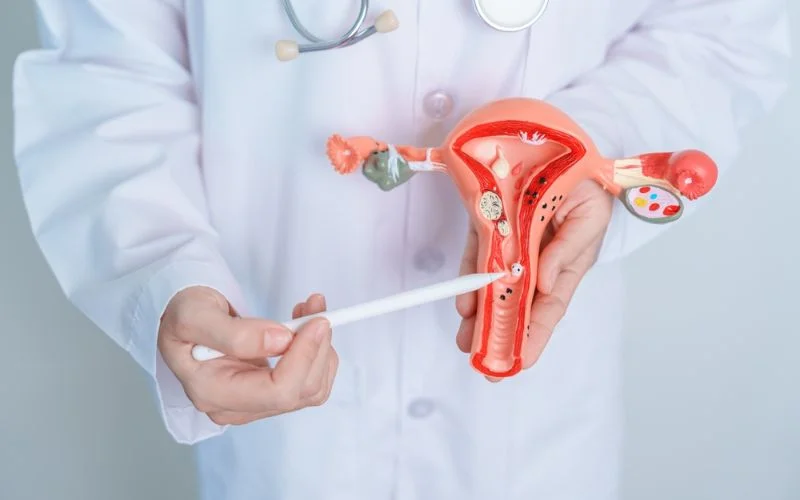
When faced with excessive estrogen levels, exploring strategies for managing and balancing hormone levels is important. Here are some approaches that can help in controlling high estrogen levels:
- Dietary Adjustments: Focus on consuming a balanced diet rich in fruits, vegetables, whole grains, and lean proteins. Certain foods like cruciferous vegetables (e.g., broccoli, cauliflower) contain compounds that aid in estrogen metabolism and clearance.
- Regular Exercise: Regular physical activity has been shown to help balance hormone levels. Aim for at least 30 minutes of moderate-intensity exercise most days of the week. Training can assist with weight management, improve insulin sensitivity, and promote overall hormonal balance.
- Stress Management: High-stress levels can impact hormone regulation. Stress-reducing techniques such as mindfulness, meditation, yoga, or deep breathing exercises may help manage estrogen levels.
- Maintaining Healthy Weight: Excess body fat can lead to increased estrogen production. Maintaining a healthy weight through dietary adjustments and regular exercise can help regulate hormonal imbalances.
- Addressing Medications and Environmental Factors: Certain medications or environmental factors may contribute to elevated estrogen levels. Consult with your healthcare provider to evaluate any potential sources of additional estrogen exposure.
- Hormone Replacement Therapy (HRT): Healthcare providers may recommend hormone replacement therapy (HRT) to restore balance in cases where hormone imbalances persist despite lifestyle modifications.
It is crucial to remember that managing estrogen levels requires an individualized approach based on personal circumstances and medical advice. Regular monitoring through blood tests and consultation with healthcare professionals will ensure a tailored plan best suited to your needs.
High Estrogen Levels in Different Life Stages

Estrogen, one of the major sex hormones, fluctuates throughout life, influencing various aspects of our health and well-being. Let’s explore how high estrogen levels can manifest in different life stages.
Adolescence: AFAB (assigned female at birth) and AMAB (assigned male at birth) individuals experience increased estrogen levels during puberty. In AFAB individuals, estrogen prompts the development of secondary sexual characteristics like breast growth and body composition changes. For AMAB individuals, a surge in estrogen can lead to changes in sex drive, erections, sperm production, and potential gynecomastia (enlarged breasts). Understanding these fluctuations is vital for understanding why adolescents may experience mood swings or physical changes during this time.
As we move into adulthood, estrogen continues to play a vital role.
Reproductive Years: Estrogen levels remain relatively stable during a person’s reproductive years. In AFAB individuals, ovaries primarily produce estrogen in coordination with the menstrual cycle. Estrogen helps regulate the menstrual cycle by facilitating ovulation and preparing the uterine lining for pregnancy. It reaches its peak in the days leading up to ovulation, making it the most fertile period of the cycle. Additionally, higher estrogen levels contribute to increased comfort during intercourse by keeping vaginal walls thick, elastic, and lubricated.
Pregnancy: Estrogen levels rise significantly during pregnancy as the placenta takes over production from the ovaries to support fetal development. This hormone is crucial for maintaining a healthy pregnancy by promoting blood flow to the uterus and enabling the proper development of fetal organs and tissues. While elevated estrogen levels are beneficial during this period, it’s important to note that certain conditions like gestational diabetes can arise due to excessive hormone production.
Beyond reproductive years
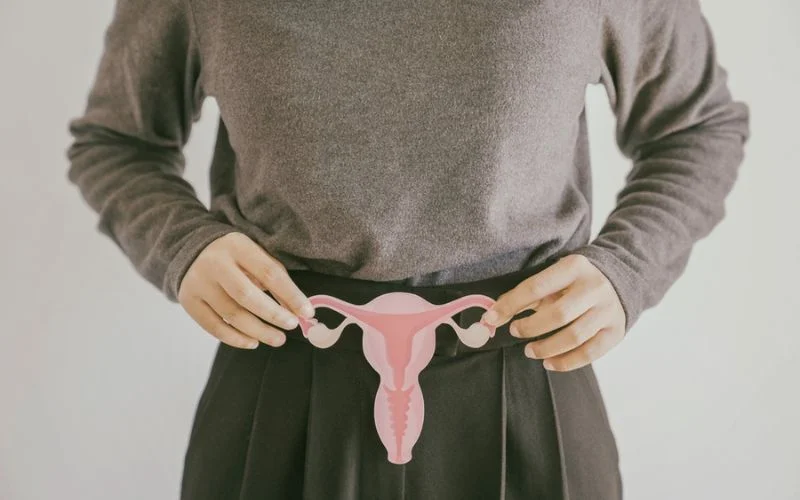
Menopause: As individuals approach menopause, estrogen levels decline significantly. This transition can give rise to many symptoms, including vaginal dryness, hot flashes, night sweats, mood changes, and even changes in bone density. These symptoms result from the body adjusting to lower estrogen levels and can vary in severity among individuals. It’s important to seek medical guidance to manage discomfort effectively during this phase.
The impact of high estrogen levels extends beyond reproductive aspects.

Some studies suggest that persistently high estrogen levels may be associated with certain health conditions. For example, breast cancer may worsen once formed due to estrogen’s role in stimulating cell growth. Conditions like endometriosis pain and PCOS (polycystic ovary syndrome) may also decline due to higher estrogen than progesterone levels. Excess estrogen has even been linked to an increased risk of obesity and osteoporosis.
On the other hand, estrogen is crucial for regulating cholesterol and blood sugar levels, maintaining bone and muscle mass, promoting healthy brain function, collagen production, and skin moisture, and facilitating proper circulation and blood flow. In lower amounts, it can also contribute to female sexual dysfunction by making sex less enjoyable.
Understanding the effects of high estrogen at different life stages helps us recognize potential imbalances.

Recognizing the telltale signs of high estrogen levels is essential for early detection and addressing underlying conditions. Symptoms may include acne, loss of libido, water retention (bloat), mood changes, insomnia, and others associated with hormonal imbalances.
Ultimately, monitoring hormone levels through regular check-ups and consulting healthcare professionals can provide invaluable insights into our overall health and well-being. By understanding how high estrogen levels manifest at various stages of life, we can empower ourselves to make informed decisions and seek appropriate support when needed.