

Hives, medically known as urticaria, are a common skin condition characterized by the sudden appearance of itchy, raised welts or red bumps.
They can vary in size and shape and often occur due to an allergic reaction or other underlying health issues. While hives are not typically associated with thyroid disorders, a complex interplay between the thyroid gland and the immune system can lead to hives in some individuals.
This comprehensive article will explore the relationship between thyroid disorders and hives, including the underlying mechanisms, symptoms, diagnosis, and treatment options.
Understanding Thyroid Disorders

Thyroid Anatomy and Function
To understand the connection between thyroid disorders and hives, first, it is essential to understand the thyroid gland’s role in the body.
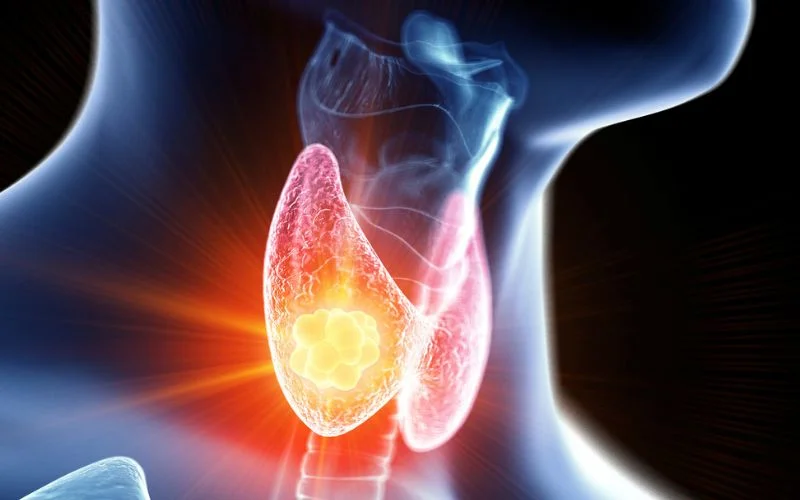
The thyroid is a butterfly-shaped gland in the front of the neck, just below the Adam’s apple. It is crucial in regulating various bodily functions, primarily by producing thyroid hormones thyroxine (T4) and triiodothyronine (T3).
Thyroid hormones are essential for:
Metabolism: They help control the rate at which your body converts food into energy (calories).
Heart Function: They influence heart rate and rhythm.
Temperature Regulation: They help regulate body temperature.
Mood and Mental Clarity: Thyroid hormones affect mood and cognitive function.
Muscle Control: They impact muscle strength and reflexes.
Types of Thyroid Disorders
There are several thyroid disorders, but the two most common ones are:
Hypothyroidism occurs when the thyroid gland does not produce enough thyroid hormones. It can lead to various symptoms, including fatigue, weight gain, cold intolerance, dry skin, and constipation.
Hyperthyroidism: This condition occurs when the thyroid gland produces excessive thyroid hormone. Symptoms of hyperthyroidism include rapid heartbeat, weight loss, anxiety, and heat intolerance.
The Link Between Thyroid Disorders and Hives
Autoimmune Mechanisms
Autoimmune disorders involve the immune system mistakenly attacking the body’s tissues. Thyroid disorders often have an autoimmune component, meaning the immune system can target the thyroid gland.
The most common autoimmune thyroid condition is Hashimoto’s thyroiditis, which leads to hypothyroidism, while Graves’ disease is associated with hyperthyroidism.
Hashimoto’s Thyroiditis: In this condition, the immune system produces antibodies that attack the thyroid gland, causing inflammation and damage. As a result, the thyroid gland’s ability to produce hormones decreases, leading to hypothyroidism. Interestingly, Hashimoto’s thyroiditis can occasionally trigger hives due to the autoimmune nature of the disorder.
Graves’ Disease: In Graves’ disease, the immune system produces antibodies that stimulate the thyroid gland to produce excessive amounts of thyroid hormones. While hives are not a common symptom of Graves’ disease, there have been rare cases where patients with Graves’ disease developed hives as part of their autoimmune response.
Role of Thyroid Hormones
Thyroid hormones have a significant impact on the body’s immune system. They help regulate immune cell activity and the production of antibodies.
An imbalance of thyroid hormones, as seen in thyroid disorders, can disrupt the immune system’s normal functioning.
Hypothyroidism and Hives: In cases of hypothyroidism, where thyroid hormone production is insufficient, the immune system may become more active to compensate for the lack of thyroid hormones. This heightened immune response can lead to the development of hives in some individuals.
Hyperthyroidism and Hives: Similarly, in hyperthyroidism, where there is an excess of thyroid hormones, the immune system may become overstimulated. This can also trigger hives in some cases, although it is less common than hypothyroidism.
Stress and Hives
Stress can be a significant trigger for hives, and thyroid disorders can contribute to stress due to their wide-ranging effects on the body. Managing stress is crucial for individuals with thyroid disorders to prevent hives and other related symptoms.
Symptoms of Hives
The following symptoms typically characterize hives:
Raised, itchy welts or red bumps can appear anywhere on the body and often change shape and size.
Itching: Hives are usually intensely itchy, which can be distressing for individuals experiencing them.
Swelling: The affected area may become swollen or puffy.
Burning or stinging sensation: Some people with hives may experience a burning or painful feeling.
Discomfort: Hives can be uncomfortable and may interfere with daily activities and sleep.
Hives can range from mild to severe and last a few hours to several weeks. Sometimes, they may become chronic and persist for six weeks or more.
Diagnosis of Thyroid-Related Hives

Diagnosing thyroid disorders and hives involves a comprehensive approach. It typically includes:
Medical History: A thorough medical history, including information about thyroid disorders or related autoimmune conditions, is essential.
Physical Examination: A physical examination can help identify hives’ presence and characteristics.
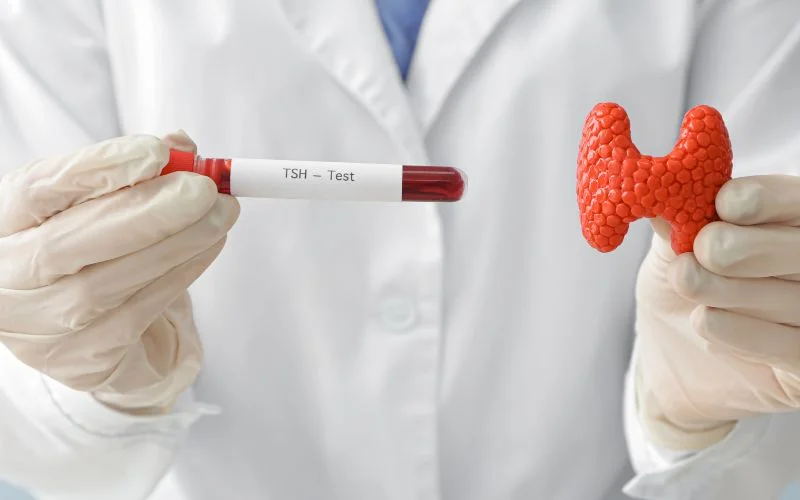
Blood Tests: Blood tests, including thyroid function and autoimmune antibody tests, can determine if an underlying thyroid disorder contributes to the hives.
Allergy Testing: Allergy testing may also be conducted to rule out allergic triggers for hives.
Treatment Options

Treating thyroid-related hives involves addressing the underlying thyroid disorder and the packs themselves. Here are the primary treatment approaches:
Treating the Thyroid Disorder
Medications: Depending on the specific thyroid disorder, medicines may be prescribed to regulate thyroid hormone levels. For hypothyroidism, synthetic thyroid hormone replacement therapy is typically used. In hyperthyroidism, medications that block the production of thyroid hormones or reduce their effects may be prescribed.
Radioactive Iodine Therapy: In cases of severe hyperthyroidism, radioactive iodine therapy may be recommended to reduce thyroid gland activity.
Surgery: Surgical removal of all or part of the thyroid gland (thyroidectomy) may be necessary in certain situations, such as thyroid nodules or cancer.
Managing Hives
Antihistamines: Antihistamines are the primary treatment for hives. They can help relieve itching and reduce the appearance of hives. Over-the-counter antihistamines like cetirizine (Zyrtec) or loratadine (Claritin) may be sufficient for mild cases, while severe or chronic hives may require prescription-strength antihistamines.
Corticosteroids: In severe cases of hives that do not respond to antihistamines, corticosteroids like prednisone may be prescribed to reduce inflammation and itching.
Avoiding Triggers: Identifying and avoiding triggers, such as certain foods, medications, or environmental factors, can help prevent hives from recurring.
Stress Management: Stress reduction techniques, such as meditation, yoga, and deep breathing exercises, can be beneficial for preventing stress-induced hives.
Conclusion
Thyroid disorders and hives are interconnected through complex mechanisms involving the immune system and thyroid hormones.
While hives are not a typical symptom of thyroid disorders, they can occur in some individuals with thyroid-related autoimmune conditions or imbalances in thyroid hormone levels.
Understanding this link is crucial for proper diagnosis and management. Suppose you suspect you have thyroid-related hives or are experiencing symptoms of thyroid disorders.
In that case, it is essential to consult a healthcare professional for a comprehensive evaluation and appropriate treatment. Managing thyroid disorders and hives effectively can significantly improve your quality of life and overall health.
Related Article:
5 Simple And Effective Ways For Fast Relief Of Hives At Home